Browse

Log in / Register
 Share


For homeowners, strategic exterior upgrades are a powerful way to enhance curb appeal and protect your investment. Based on expert assessments from leading design shows, certain improvements offer significant long-term value. Investing in durable materials and versatile landscaping consistently proves to be a wise financial decision, directly impacting a property's marketability and perceived worth.
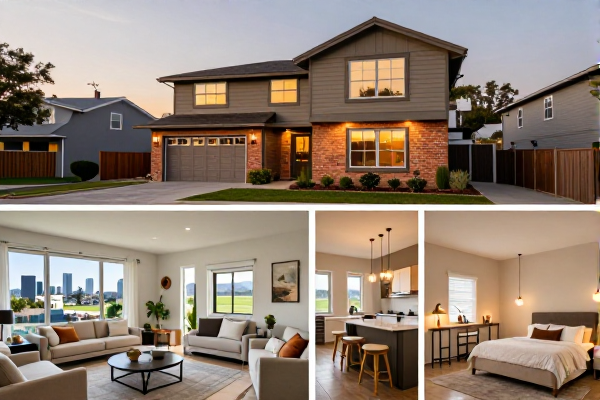
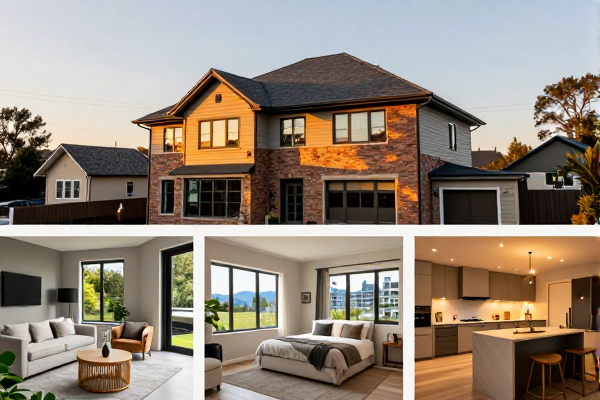
A brick exterior is often considered a premium upgrade due to its durability and timeless aesthetic. On a recent design competition, one team invested approximately $40,000 to clad their entire home in brick, a significant portion of their overall budget. The designers highlighted a key advantage: unlike siding, which may need replacement every 20-30 years, brick is a permanent material. This type of upgrade, known as installing a brick veneer (a non-structural outer layer of brick), can substantially increase a home's resistance to weather and fire. While costly upfront, this investment can pay off by eliminating future replacement costs and appealing to buyers seeking low-maintenance homes. The judges praised the choice for its elegant, multicolored finish that added significant character.
Creating a cohesive flow from the inside out is a hallmark of thoughtful design. This involves carrying design motifs from the interior to the exterior spaces. For example, one team extended the scalloped edge detail from their kitchen island to the stone border of a newly created two-tiered lawn. This deliberate repetition of shapes and materials creates a unified experience. When considering your own home, think about echoing colors, textures, or geometric patterns from your interior decor in your landscaping hardscaping (the non-plant elements of a landscape, like patios and walls). This attention to detail demonstrates a high level of craftsmanship that potential buyers notice.
Even a compact outdoor space can be transformed into a functional and valuable asset. The key is versatility. One approach seen was to install a retaining wall (a structure that holds back soil to create level areas on a slope) to define the space, along with an outdoor kitchen for entertaining. A particularly innovative idea was using artificial turf to create a putting green. While niche, the designers emphasized that such a space could easily be repurposed as a play area or pet run. The lesson is to invest in features that serve multiple purposes, ensuring the space remains useful for a wide range of future buyers, thereby protecting your renovation investment.
A dynamic mix of materials can make a strong first impression without appearing chaotic. A successful formula involves combining different textures and colors in a complementary way. One team used a combination of blue and white horizontal lap siding, cedar shake shingles, stone accents, and a white metal roof. The variety in direction—horizontal siding versus vertical shakes—and material created visual interest while maintaining a classic feel. Judges noted that the cohesive color palette tied everything together. Focusing on two to three primary materials and a consistent color scheme can prevent the exterior from looking too busy and instead project a sense of well-considered style.
Thoughtful landscaping is an investment that matures over time. It's crucial to plan for the future size of plants and trees to avoid overcrowding. One team allocated $15,000 to create layered planting beds with smaller shrubs, an edible garden, and colorful flowers. The judges specifically praised the strategic plant placement, allowing room for growth. Overplanting is a common mistake that leads to expensive maintenance or removal later. A professional approach involves selecting plants suited to your climate and spacing them according to their mature size. This foresight ensures your landscape looks lush and intentional now and remains manageable and beautiful for years to come.
To maximize your home's exterior value, prioritize durable, low-maintenance materials like brick, ensure design continuity between indoor and outdoor spaces, and invest in versatile, well-planned landscaping that has room to grow. These strategies, validated by design professionals, are proven to enhance curb appeal and provide a strong return on investment.