Browse

Log in / Register
 Share

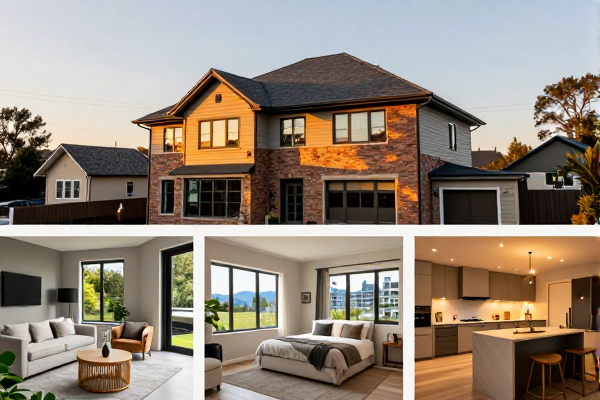
The average cost for a new roof installation in the United States in 2026 ranges from $8,500 to $30,000, with most homeowners spending approximately $12,000 for a standard asphalt shingle roof on a typical 2,000-square-foot home. The final price is highly dependent on the roofing material chosen, the size and pitch of your roof, your geographic location, and the complexity of the installation. Understanding these cost factors is essential for effective budgeting and ensuring a quality installation that protects your home's value.
Several key elements directly impact your total investment. The most significant is the square footage of your roof, often measured in "squares," where one square equals 100 square feet. A larger roof requires more materials and labor. The pitch or steepness of your roof also affects cost; steeper roofs are more challenging and time-consuming for contractors to work on, increasing labor charges. Furthermore, the need for a roof tear-off—removing old shingles and underlayment—adds to the cost compared to installing a new roof over an existing layer, though the latter is not always recommended by building codes. Your location plays a role, as material costs and labor rates vary significantly across different states and metropolitan areas.
The choice of material is arguably the most impactful decision. The following table provides a clear comparison of popular roofing options for 2026:
| Roofing Material | Average Cost per Square (Materials & Installation) | Estimated Lifespan |
|---|---|---|
| 3-Tab Asphalt Shingles | $350 - $550 | 15-20 years |
| Architectural Asphalt Shingles | $400 - $700 | 25-30 years |
| Metal Roofing (Steel) | $800 - $1,400 | 40-70 years |
| Wood Shakes | $900 - $1,600 | 25-30 years |
| Slate Tiles | $1,500 - $2,500+ | 75-100+ years |
Selecting a material involves balancing budget, aesthetics, durability, and your home's architectural style. Asphalt shingles remain the most popular choice due to their affordability and ease of installation. Architectural asphalt shingles offer a dimensional look and longer lifespan than basic 3-tab options. For homeowners seeking longevity, a metal roof provides excellent durability, energy efficiency, and fire resistance, though it comes at a higher upfront cost. It's crucial to consider the climate in your region; for instance, metal roofs are excellent for shedding snow, while concrete tiles are well-suited for hot, fire-prone areas. Always review the manufacturer's warranty and ensure the material meets local building code requirements.
The quality of installation is as important as the materials themselves. Based on our experience assessment, working with a licensed, bonded, and insured contractor is non-negotiable. A reputable roofer will provide a detailed, written estimate that breaks down the cost of materials, labor, waste disposal, and any potential unforeseen repairs to the roof decking. Before hiring, verify their credentials, ask for references, and check online reviews. Ensure they carry both liability insurance (to protect your property from damage during the project) and workers' compensation (to protect you from liability if a worker is injured on your property). A strong warranty covering both materials and workmanship is a key indicator of a contractor's confidence in their work.
Given the substantial investment, many homeowners explore financing. If you have sufficient equity, a home equity loan or Home Equity Line of Credit (HELOC) can be a cost-effective option, as interest may be tax-deductible. Some roofing contractors partner with lenders to offer in-house financing plans, though it's wise to compare these terms with offers from your bank or credit union. For roofs damaged by a preventable event like a storm, your homeowners insurance may cover a significant portion of the cost, minus your deductible. Always review your policy and communicate with your insurance adjuster before proceeding with repairs.
To navigate the process successfully, start by obtaining at least three detailed quotes from reputable local contractors. Prioritize quality of installation over the lowest possible price, as a properly installed roof is a long-term investment. Finally, ensure all agreements, including warranty details and payment schedules, are clearly outlined in a written contract before any work begins. This proactive approach will help secure a durable new roof that enhances your home's protection and value for decades.