Browse

Log in / Register
 Share

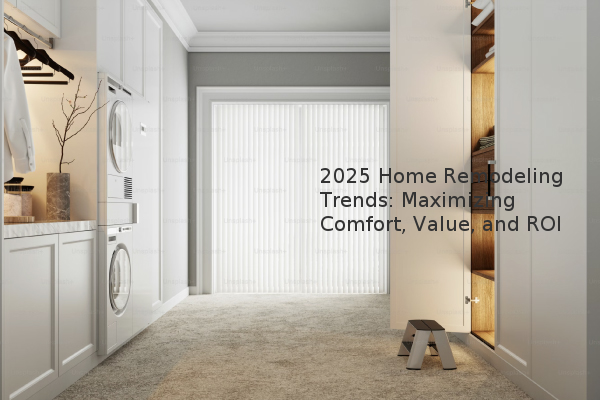
For homeowners planning renovations in 2025, the key takeaway is to focus on projects that enhance daily living while providing a strong financial return. Kitchen and bathroom remodels remain top investments, but emerging trends like premium outdoor living spaces and home electrification for electric vehicles (EVs) offer significant value. According to a 2024 Remodeling Magazine report, strategic upgrades like a deck addition can yield an Return on Investment (ROI) between 68% and 83%. This guide outlines the most impactful home improvement trends for the coming year, helping you make informed decisions that balance personal comfort with resale value.
The most reliable home improvements continue to be kitchen and bathroom updates. These areas are critical to potential buyers and directly impact a home's marketability. Industry data supports this focus; a recent Angi report indicates that 31% of homeowners are planning a kitchen remodel, while 28% are considering bathroom upgrades. These projects are considered "no-brainers" because they address fundamental aspects of a home that people use daily. Upgrading appliances, countertops, and fixtures can modernize the space and improve functionality, making the investment worthwhile both for your enjoyment and for a future sale.
Homeowners are increasingly transforming their backyards into extensions of their indoor living areas. The desire is to create outdoor spaces with "creature comforts," such as integrated seating, weatherproof televisions, and even full outdoor kitchens. This trend is no longer limited to warm climates; contractors are utilizing materials and designs that withstand various weather conditions, including snow. Based on our experience assessment, this shift is driven by a growing preference for entertaining at home. The financial upside is clear: adding a deck is one of the most profitable projects, with a potential ROI exceeding 80% when done professionally.
A significant new trend for 2025 is home electrification, which involves upgrading a home's electrical system to support advanced technologies, particularly EV charging stations. While EV owners can use a standard wall outlet, a dedicated Level 2 charger is faster and can offer bidirectional charging—a feature that allows an EV to power a home during an outage. The prevalence of EV-friendly homes is growing rapidly, increasing from 0.1% to 0.9% of listings over five years, according to industry data. Installing an EV charger is not a do-it-yourself project. You must hire a licensed electrician to ensure the installation is safe, meets electrical codes, and is properly integrated into your home's system, thereby adding a modern, desirable feature to your property.
Enhancing your home's exterior, or curb appeal, is a timeless and cost-effective way to boost value. A fresh coat of paint is one of the most impactful low-cost improvements you can make. It protects the siding from the elements and creates a strong first impression for visitors or potential buyers. While painting is a primary focus for 2025, other effective measures include replacing an old front door and ensuring gutters are clean and functional. These projects significantly improve the aesthetic appeal of a home without the high cost of a full-scale renovation, making them an excellent starting point for any homeowner.
To maximize your remodeling budget in 2025, prioritize projects that offer a dual benefit of enhancing your daily life and increasing your home's resale value. Focus on kitchen and bathroom updates for reliable returns, consider outdoor living spaces for expanded entertainment options, and evaluate home electrification for future-proofing your property. For any electrical work, always hire a licensed professional to ensure safety and compliance. Finally, do not underestimate the power of curb appeal improvements like a new paint job, which can dramatically refresh your home's appearance at a relatively low cost.