Browse

Log in / Register
 Share
Share
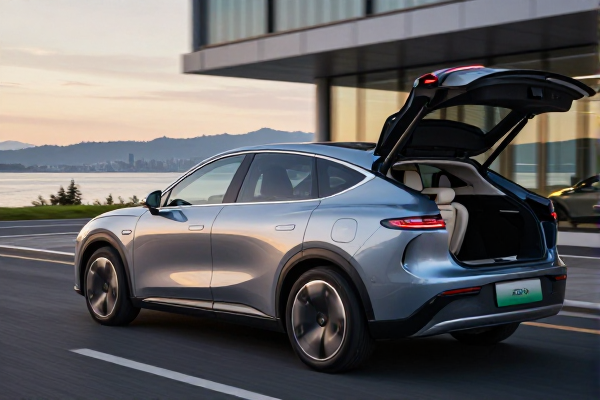
Zoox, the autonomous-vehicle arm of Amazon, received official approval from the U.S. National Highway Traffic Safety Administration (NHTSA) on [Today’s Date] to begin charging passengers for rides in its distinctive steering-wheel-free robotaxis. The move marks the first time a purpose-built autonomous vehicle without traditional human controls has been cleared for commercial revenue service in the United States.
The green light does not grant nationwide access but allows Zoox to operate a limited commercial deployment, initially concentrated in Las Vegas. Additional state-level permits are expected to expand the service to other metropolitan areas later this year. Zoox’s specially designed electric vehicles, which seat four passengers in inward-facing seats and reach a top speed of 75 mph, will operate within geo-fenced zones under strict operational design domain controls.
NHTSA has imposed detailed reporting conditions as part of the approval. Zoox must submit incident reports for any crashes or operational anomalies, including near-miss events and system disengagements. Regulators emphasized that the vehicles have demonstrated safety parity with conventional human-driven cars in the specific use cases approved, but warned that noncompliance could result in immediate suspension of the deployment authority.
Industry analysts see this as a watershed moment for autonomous mobility regulation. “NHTSA is essentially writing the playbook for how purpose-built robotaxis can coexist with regular traffic,” said Dr. Elena Torres, a transportation policy expert at the University of Michigan. “The agency is simultaneously signaling that it will hold operators accountable through real-world data collection, which could accelerate or delay broader approvals for competitors like Waymo and Cruise.”
Unlike retrofitted vehicles where autonomous systems are added to existing car platforms, Zoox’s vehicle was conceived from the ground up as a robotaxi. The absence of a steering wheel, pedals, or a driver seat required NHTSA to grant special exemptions from several Federal Motor Vehicle Safety Standards (FMVSS) that assume a human driver is present. This case is expected to inform the forthcoming FMVSS updates for Level 4 and Level 5 automated driving systems, which the agency has been developing since 2022.
Zoox co-founder and CTO Jesse Levinson called the approval “validation that an intentionally designed autonomous vehicle can meet and exceed safety expectations.” The company has been testing in California and Nevada since 2021 without passengers, accumulating millions of miles in simulation and on public roads. However, commercial launch has been delayed multiple times due to regulatory hurdles and internal restructuring.
For Las Vegas, which is already a testbed for autonomous shuttles from Motional and Waymo, the arrival of Zoox adds another dimension. The city’s tourism authority has expressed support, noting that robotaxis could help reduce congestion on the Strip and provide mobility options for visitors who prefer not to rent cars. Zoox plans to launch with a small fleet, scaling gradually based on data from the initial deployment.
The approval also comes amid heightened scrutiny of autonomous vehicles following high-profile incidents involving Cruise’s pedestrian dragging case in San Francisco last year. NHTSA has since tightened oversight procedures for all autonomous vehicle operations. Zoox’s approval, therefore, includes a clause that requires the company to publicly disclose safety reports quarterly data on disengagements, crashes, and operational performance starting three months after launch.
“Transparency is key to building public trust,” said NHTSA Deputy Administrator Sophie Shulman in a statement. “We are approving Zoox not as a rubber stamp, but as a test case for how the industry can mature responsibly.”
Competitors are watching closely. Waymo already operates a fully driverless ride-hailing service in San Francisco and Phoenix using the Jaguar I-PACE, but those vehicles retain steering wheels. Cruise, meanwhile, has paused its driverless operations nationwide after regulatory setbacks. Zoox’s unique approach could carve out a niche if its safety record holds up.
Looking ahead, Zoox expects to expand to other cities in Nevada, Arizona, and Texas over the next 18 months, subject to state approvals. The company is also working on a second-generation vehicle with improved range and sensor architecture. With Amazon’s logistics expertise and $26 billion acquisition investment behind it, Zoox has the resources to weather an industry that is still years away from widespread profitability.
The approval issued today is for a limited duration of one year, after which Zoox must apply for renewal with updated safety data. NHTSA has indicated that it will use the findings from Zoox’s deployment to refine the framework for future exemptions, potentially streamlining the process for other manufacturers whose vehicles are designed from the start to be driverless.
(With inputs from industry experts and regulatory documents.)