Browse

Log in / Register
 Share
Share

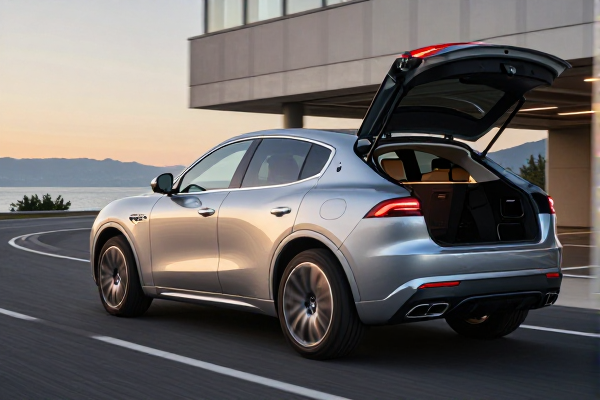
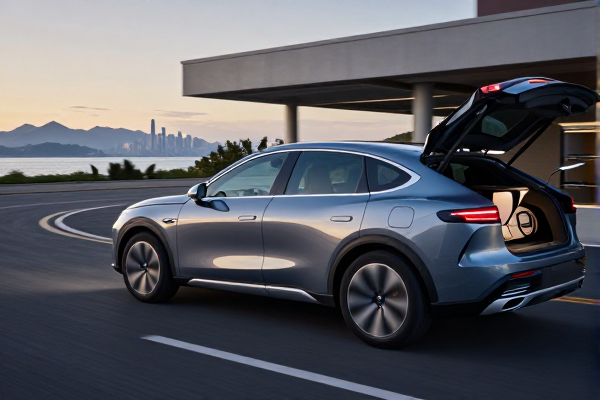
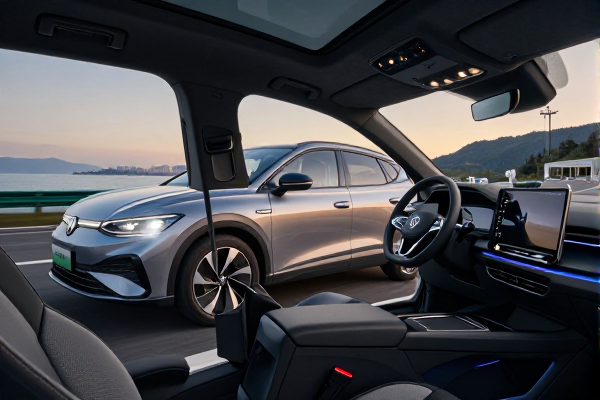
April 9, 2025 – ComfortDelGro’s private-hire arm Zig is committing over $10 million to electrify and hybridize its fleet, tapping into surging demand for ride-hailing vehicles. The investment will see the addition of BYD M6 fully electric people movers and BYD SEAL 6 DM-i plug-in hybrids, supplied by local distributor Vantage Automotive.
The company said the new vehicles will be rolled out in phases over the coming months, giving hirers—drivers who lease Zig’s cars—more options to reduce fuel costs and emissions. The move aligns with Singapore’s broader push to electrify its transport sector, where the government aims to phase out internal combustion engine vehicles by 2040.
Why This Matters for the U.S. Market
While the investment is confined to Singapore, it reflects a global trend: ride-hailing and private-hire operators are increasingly shifting to electric and hybrid models to lower operating expenses and meet sustainability targets. In the U.S., companies like Uber and Lyft have set ambitious EV targets, but fleet transition remains slow due to high upfront costs and charging infrastructure gaps. Zig’s approach—bundling preferential charging rates through its own energy arm CDG Energy and maintenance support from ComfortDelGro Engineering—offers a blueprint for how integrated fleet operators can accelerate adoption.
The BYD Models: What’s Coming
The BYD M6 is a 7-seat electric MPV designed for urban mobility, offering a range of around 420 km per charge. The BYD SEAL 6 DM-i is a plug-in hybrid SUV that can switch between electric and gasoline modes, providing flexibility for longer trips. Both models are new to the Singapore market, where Vantage Automotive has been expanding its BYD portfolio. The choice of these vehicles suggests Zig is targeting both family-oriented rides and flexible city-to-suburb service.
Preferential Rates and Maintenance Support
Hirers who lease the new EVs or hybrids will benefit from discounted charging rates at CDG Energy’s network of charging points across Singapore. ComfortDelGro Engineering, which operates a chain of automotive workshops, will provide dedicated maintenance and repair services. This vertical integration is a key differentiator: many independent private-hire drivers lack access to affordable, reliable charging and servicing, which can deter EV adoption.
Demand Surge Behind the Investment
Michael Huang, head of Singapore Point-to-Point Mobility Business at ComfortDelGro, said the company is seeing “stronger demand for private hire vehicles” and that the investment “gives hirers more options and strengthens our ability to support mobility demand across Singapore.” The statement signals that the company expects the ride-hailing market to continue growing, even as the overall economy faces headwinds.
Industry Context and Future Outlook
According to a BloombergNEF report, Southeast Asia’s passenger EV market is expected to grow at a compound annual rate of 30% through 2030, driven by policy support and falling battery costs. Singapore, with its high population density and limited land, is a natural early adopter for electric ride-hailing. However, the country’s private-hire fleet is still dominated by petrol and diesel vehicles. Zig’s $10 million investment, while modest by global standards, could spur competitors like Grab and Ryde to accelerate their own electrification plans.
Expert Take: Financial Viability of EV Fleets
“The total cost of ownership for electric private-hire vehicles has become competitive with internal combustion cars, especially when factoring in fuel savings and lower maintenance,” said Dr. Alice Tan, a transport economist at the National University of Singapore. “However, the upfront capital expenditure remains a barrier for individual drivers. By leasing the vehicles and providing bundled services, Zig reduces that barrier and could improve driver retention.”
Regulatory Tailwinds
Singapore’s Land Transport Authority (LTA) has mandated that all new taxis and private-hire vehicles be hybrid or electric starting from 2025. Zig’s investment positions it ahead of that deadline. The company also benefits from the government’s Early Adoption Incentive (EEAI) for electric cars, which offers rebates of up to $20,000 per vehicle.
Conclusion
Zig’s $10 million-plus commitment to e-mobility is a strategic move to capture a growing market while aligning with regulatory and environmental trends. By combining vehicles, charging, and maintenance under one umbrella, the company is creating an ecosystem that could serve as a model for other ride-hailing operators worldwide. For U.S. readers, the key takeaway is that integrated fleet management—not just buying EVs—will be critical to scaling electric ride-hailing profitably.