Browse

Log in / Register
 Share
Share
March 20, 2025 – Zeekr, the fast-rising Chinese premium EV brand, is making waves in Australia with a lineup that spans from the compact X to the massive 009 people mover. But keen-eyed observers have noticed something unusual: the vehicles don't share a consistent family look. Instead, they range from sporty coupe-like shapes to blocky minivans, each with distinct front-end treatments. Now, the head of Zeekr's Shanghai design studio, Javier Garcia-Gallardo, has explained the reasoning behind this "split personality" and outlined a clear roadmap toward a unified design language.
The Three Chapters of Zeekr Design
According to Garcia-Gallardo, Zeekr's design evolution can be broken into three distinct phases, each reflecting the brand's rapid growth and shifting target audiences.
Chapter 1: Lynk & Co Heritage
The first chapter includes models like the 001, 009, and X – vehicles originally conceived under the Lynk & Co umbrella before Zeekr was spun off in 2021. "They weren't fully there yet," Garcia-Gallardo admitted. "The Zeekr X, for example, still has the dual DRLs from Lynk & Co." These cars carry over design cues from the sister brand, creating a visual link that Zeekr is now actively moving away from. This heritage is a double-edged sword: it gave Zeekr a quick launch, but it also diluted its own identity.
Chapter 2: Hidden Energy
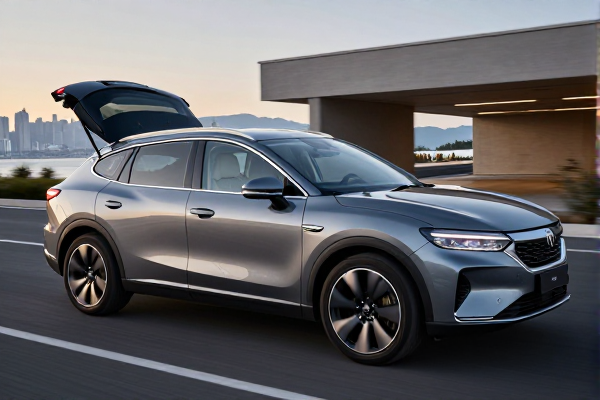
The second chapter debuted in 2023 with the 007 sedan, and later extended to the 7GT wagon, 7X SUV, and the quirky Mix minivan. Garcia-Gallardo calls this language "Hidden Energy" – a design philosophy aimed squarely at Generation Z. "We wanted a shift of mindset for the customer. It's very progressive, targeting digital natives who perceive technology in the car differently from previous generations," he explained. The result is a clean, tech-forward aesthetic with minimal grille openings and integrated lighting – a stark departure from the Lynk & Co-inspired look.
Chapter 3: Powerful Elegance
The most recent chapter, "Powerful Elegance," is reserved for larger vehicles like the upcoming 8X and 9X hybrids. "These target a more material customer," Garcia-Gallardo said, adding that they incorporate traditional automotive design cues – a dominant grille, strong horizontal lines, and an architectural presence. The design hints at the 009's styling, but with a bolder, more premium execution. This language is meant to convey substance and luxury, appealing to buyers who value status and solidity.
Why the Split? A Strategic Necessity
Zeekr's design diversity isn't a mistake – it's a reflection of a brand that launched with borrowed DNA and rapidly expanded into multiple segments. But Garcia-Gallardo is clear that this phase is ending. "The market is flexible, but a consistent design language is important for brand awareness," he said. "We've spent the last couple of years evolving and exploring these different languages for different customer bases. What you can expect to see is the design languages will get closer together."
The Road to Unity: What's Next
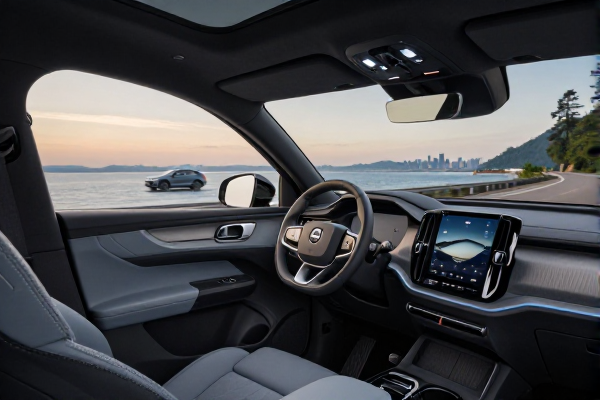
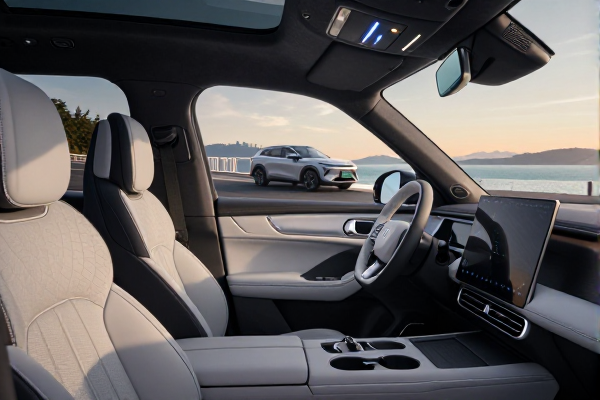
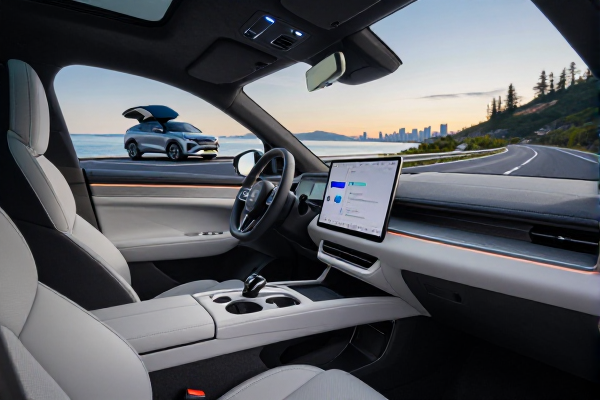
Going forward, Zeekr will funnel its portfolio into two main design streams: "Hidden Energy" for smaller, tech-focused models, and "Powerful Elegance" for larger, luxury-oriented ones. However, the lines will blur. "They won't be ultra-dogmatic between them," Garcia-Gallardo promised. "You'll see some features from the 9X being interpreted in a different way on the 7-series vehicles and vice versa." He pointed to a common interior detail line that follows the ambient light across the instrument panel, noting that such horizontal elements will gradually appear across the entire range, inside and out.
Value-Added Perspective: What This Means for Global Buyers
Industry observers note that Zeekr's approach mirrors the global strategy of parent company Geely, which also owns Volvo, Polestar, and Lotus. Just as Volvo and Polestar maintain distinct identities while sharing platforms, Zeekr and Lynk & Co are diverging – with Lynk & Co focusing on hybrid models for Europe, and Zeekr targeting pure electric and high-end hybrid markets like Australia, New Zealand, and potentially the Middle East. For U.S. buyers, Zeekr's design evolution is a glimpse into the future of Chinese premium brands that may eventually reach American shores. The company has not