
Browse

Log in / Register
 Share
Share
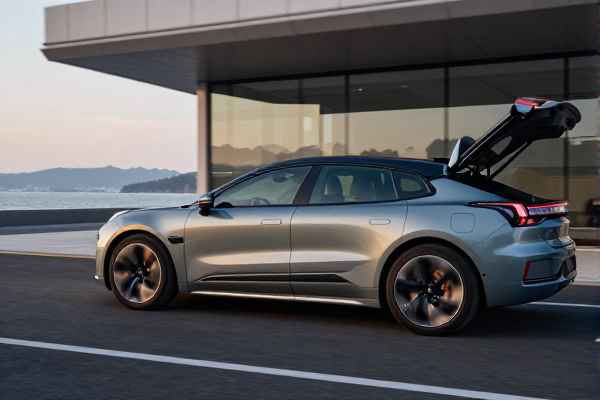
July 19, 2024 — Zeekr, the premium electric vehicle sub-brand of Geely, has announced significant updates to its remote lockout system after a Chinese owner was stranded abroad during an overland trip. The move comes amid rising scrutiny over how automakers balance security features with user autonomy in an increasingly interconnected automotive landscape.
The incident unfolded when a Zeekr 9X SUV owner embarked on a cross-border journey from China to Kazakhstan, only to find critical screen-based functions—including navigation, glove box access, and the electronic fuel door—disabled for over 30 hours. Despite prior assurances from a local dealer, the vehicle's anti-theft protocols triggered an automatic lockout upon crossing the border, leaving the traveler in a precarious situation. Zeekr initially defended the measure as a theft-deterrent but later confirmed the vehicle was restored, prompting a broader review of its policies.
In response, Zeekr has rolled out a two-pronged solution via its companion app. First, a new passcode generator allows users to create unlock codes after border-induced lockouts, potentially easing access in remote areas. However, questions remain about functionality without internet connectivity, a common hurdle in international travel. Second, an upcoming over-the-air (OTA) update will introduce an opt-out toggle for cross-border lockouts, with the feature set to default to "off" to prioritize user discretion. These changes reflect Zeekr's shifted stance toward "control by the user & protection by the manufacturer," as stated in a recent Weibo apology.
This scenario underscores a growing trend among Chinese drivers: overlanding, once a niche pursuit for the affluent, is now gaining mainstream traction thanks to social media and streamlined border controls. Trips from China to regions like Russia, Europe, and even Africa are becoming more feasible, with temporary export permits at crossings like the Port of Khorgos costing as little as 1,500 yuan (about $220). As adventure-seeking rises, vehicles are increasingly marketed with "outdoorsy" features, yet their connected nature grants manufacturers unprecedented oversight—a double-edged sword for consumers.
From an exclusive perspective, automotive security experts in the U.S. have noted parallels with domestic issues, such as Tesla's remote diagnostics and GM's OnStar system. Dr. Elena Rodriguez, a vehicle cybersecurity analyst at MIT, commented, "While lockouts can prevent theft, they also highlight the tension between manufacturer control and owner rights. In the U.S., regulations like the Magnuson-Moss Warranty Act encourage transparency, but as cars become more software-driven, we need clearer standards for user override options during emergencies." This insight adds depth to the global conversation on digital ownership.
Zeekr's domestic performance remains robust, with China EV DataTracker reporting 26,146 units delivered in June 2026—a 71.4% year-on-year increase. The brand's swift action may mitigate reputational damage, but it has ignited debates on what "true" ownership entails in the age of smart vehicles. Consumers are now questioning whether features like geofenced lockouts should be mandatory or customizable, especially for those frequently crossing borders.
The broader implications extend to the new-energy vehicle (NEV) sector, where connectivity is often touted as a selling point. Brands like NIO and Xpeng also employ similar remote capabilities, though policies vary. As overlanding expands, automakers may face pressure to standardize user-friendly safeguards, balancing innovation with practical usability. Industry watchers suggest that future models could incorporate offline backup systems or international roaming agreements to enhance reliability.
In conclusion, Zeekr's proactive updates signal a step toward greater consumer empowerment, but they also reveal underlying challenges in automotive tech governance. For American audiences, this case serves as a cautionary tale about the hidden complexities of connected cars, urging buyers to scrutinize digital terms alongside physical specs. As the EV market evolves, the dialogue between security, convenience, and freedom will likely intensify, shaping the next generation of mobility solutions.


