Browse

Log in / Register
 Share
Share
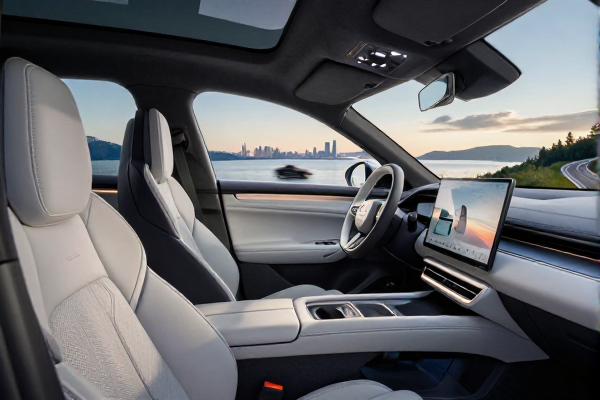
Zeekr is listening to its customers. After receiving widespread feedback about the frustrations of all-touchscreen interfaces, the Chinese electric vehicle brand is pivoting back to tactile controls in its upcoming models.
Speaking exclusively to CarsGuide at the 7GT pre-launch event, Zeekr's Shanghai design studio head Javier Garcia-Gallardo confirmed that more physical buttons and dials are "definitely" coming to the brand's future lineup. The shift follows criticism from Chinese buyers about the lack of physical controls in the 007 sedan, which served as the predecessor to the new 7GT.
"From the 007, we had no physical controls in the center console. We got feedback from the Chinese market, and when we designed the 7GT, we knew we had to change that," Garcia-Gallardo said. "Buttons add functionality for the driver and also create a richer interior feel. As we move up to bigger cars like the 8X and 9X, you'll see more physical buttons—we're taking that feedback seriously."
He added that buyers of top-tier models, such as the 8X and 9X hybrid SUVs, "appreciate switches and buttons" for frequently used functions like seat adjustments or massage controls, rather than navigating through a touchscreen.
Global markets now shaping Zeekr design
Zeekr's unique software suite, built from scratch as an exclusive operating system, was a point of pride for Garcia-Gallardo. "It's taken a couple of years to get it where it is now, but we feel it's at a point where it's pretty good in the market," he said. The design team has been a major stakeholder in developing the OS, which receives frequent over-the-air updates.
However, the shift toward physical buttons reflects a broader evolution: Zeekr is maturing from a spin-off of Lynk & Co into a global brand. Garcia-Gallardo noted that while the Chinese market remains critical, global demands are now being integrated into the design process from the start.
"China is a big market, but as we mature, it's very important we bring global requirements into the design program at the beginning," he said. "This wasn't happening as much because we didn't have the same global footprint. Now we have a stronger customer base, we have a wider set of requirements."
He cited Australian Design Rules (ADRs) as a daily part of his design briefings, which led to the removal of the animated LED front bar on the 7X and 7GT for the Australian market.
Zeekr's design freedom within Geely Group
When asked about autonomy, Garcia-Gallardo emphasized that Zeekr's designers are trusted to define proportions and architecture. "The company trusts a lot in design. That's what makes a car feel special at first glance—proportions that don't land in mainstream territory."
Zeekr's future updates will see its lineup rationalized into two main design languages: 'Hidden Energy' (as seen on the 7X and 7GT) and 'Powerful Elegance' (for the 8X and 9X hybrid SUVs). Elements inherited from Lynk & Co, such as the dual-DRLs on the X small SUV and 009 people mover, are being phased out.
Zeekr's momentum in Australia and beyond
Zeekr has surged in the Australian market, driven largely by the successful 7X midsize SUV. The brand hopes to sustain momentum with the fully electric 7GT sporty wagon arriving by the end of the year, and the introduction of the 8X and 9X hybrid large SUVs in 2027.
In a competitive landscape where Tesla and other Chinese brands have also faced criticism for over-reliance on touchscreens, Zeekr's decision to reintroduce physical controls could set it apart. Analysts note that while touchscreens offer sleek aesthetics, they can be distracting and less intuitive for frequent adjustments. By blending digital and physical controls, Zeekr aims to appeal to both tech-savvy drivers and those who prefer traditional ergonomics.
Industry context: Touchscreen backlash is real
Zeekr's move reflects a broader trend. In 2023, a J.D. Power study found that 56% of U.S. new-vehicle owners reported having problems with touchscreen controls, with many expressing a desire for more physical buttons. European regulators have also proposed guidelines to limit touchscreen-only controls to reduce driver distraction.
Garcia-Gallardo's comments align with a growing recognition among automakers that haptic controls must be balanced with tactile feedback. "For features you use very often, we've made sure they have a switch," he said.
As Zeekr expands its global footprint—including plans to enter the U.S. market by 2026—listening to consumer feedback on in-car controls will be critical. The brand's shift to physical buttons is a clear signal that it values driver experience over design minimalism.
This article was updated on [Date of rewrite: Insert today's date].