Browse

Log in / Register
 Share

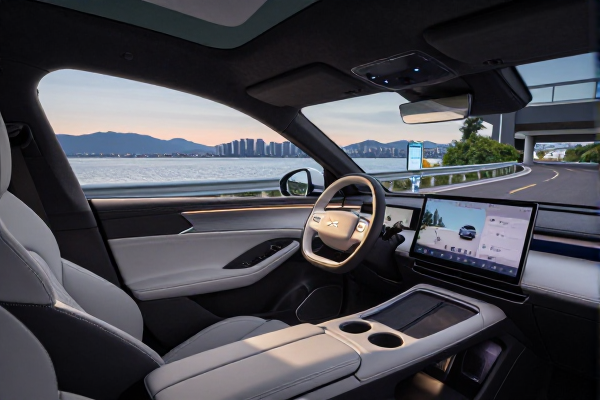
For American car shoppers, the electric vehicle landscape is no longer just about when to plug in. The arrival of models like the XPeng L03, launching with two distinct powertrains, frames a more profound question: Do you commit fully to electrons, or do you keep a gasoline-powered backup plan? This coupe-styled SUV forces a choice between purity and pragmatism in a market where charging infrastructure and road-trip habits vary wildly.
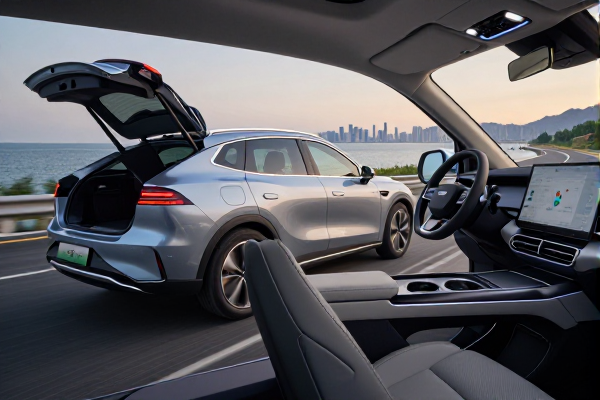
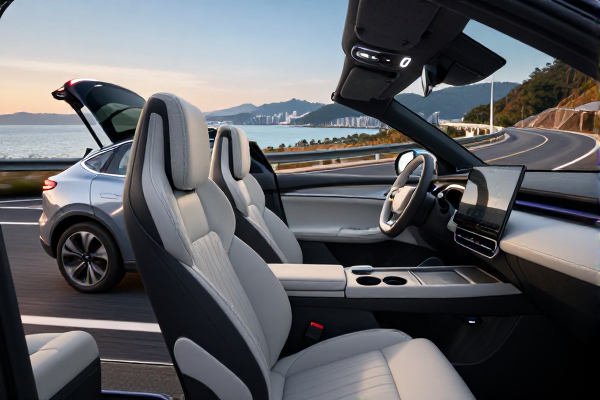
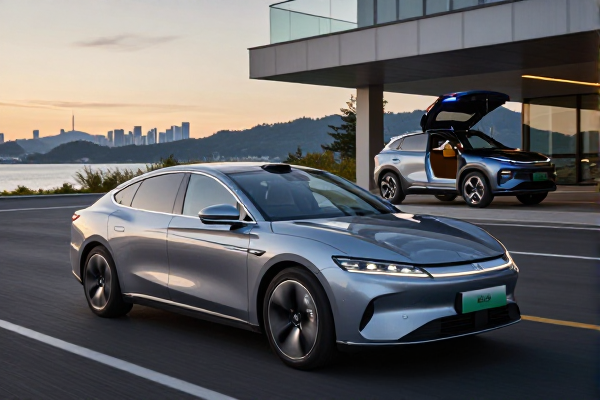
A Stylish Contender Enters the Arena Unveiled for global markets, the XPeng L03 brings a sleek, aerodynamic design that stands apart in the crowded midsize SUV segment. Measuring 183.1 inches long with a 112.2-inch wheelbase, it slots between the brand's bulkier G6 and the ubiquitous Tesla Model Y. Its cab-forward, fastback design maximizes interior space surprisingly well, defying the typical compromises of a sloped-roofline vehicle and offering ample rear-seat headroom.
Powertrain A: The Electric Purist's Choice The rear-wheel-drive Long Range model is the definitive electric vehicle. It is powered by a substantial 71.2 kWh Lithium Iron Phosphate (LFP) battery, sending 245 horsepower to the rear wheels. This setup delivers a 0-60 mph time of 6.6 seconds and an estimated range of 323 miles (based on the WLTP cycle, with EPA figures pending). The driving experience is characterized by instant torque, low-center-of-gravity agility, and the quiet, linear acceleration inherent to dedicated EV platforms. For daily commuting and regional travel, it offers a compelling, zero-tailpipe-emission solution.
Powertrain B: The Anxiety-Free Compromise The L03 PowerX employs an Extended-Range Electric Vehicle (EREV) system. At its core is a smaller 37.2 kWh battery pack, good for about 134 miles of pure electric driving. The key addition is a 1.5-liter gasoline engine that acts solely as a generator, kicking in to recharge the battery when depleted, never directly driving the wheels. This setup catapults the total combined range to over 620 miles. Performance remains brisk, with a 0-60 mph time of 6.8 seconds, as the vehicle is primarily driven by its electric motor and is actually slightly lighter than the pure EV version.
The Practical Trade-Offs: Frunk vs. Fuel The choice manifests in practical ways. The pure EV model features a useful 89-liter front trunk (“frunk”), perfect for storing charging cables or gear. The EREV model loses this space to its gasoline generator. However, it gains the ability to refuel in minutes at any gas station—a universal infrastructure advantage in the U.S. XPeng has also equipped the EREV with enhanced noise-canceling technology (ENC+RNC) to ensure the generator's operation is nearly imperceptible inside the cabin, maintaining a premium, quiet ride.
The Cost Equation: A U.S. Perspective The financial calculation is complex and highly dependent on driving patterns and local energy costs, a critical consideration for American buyers.
Pricing Strategy and Market Positioning XPeng's pricing for the U.S. market remains unannounced, but its European strategy offers clues. Notably, in some European countries, the EREV version carries a higher base price than the pure EV—a reversal of traditional hybrid premiums. This signals that XPeng views the range-extender not as a budget entry but as a premium feature for buyers seeking ultimate flexibility. Industry analysts suggest this dual-path approach is a savvy move to capture both EV enthusiasts and cautious mainstream adopters in a diverse market like the United States.
The Verdict: A Lifestyle Decision Ultimately, the L03 presents a lifestyle binary. Choose the RWD Long Range EV if: Your daily drives are within battery range, you have consistent access to home or affordable workplace charging, and you value maximum storage utility and a purely electric driving ethos. Choose the PowerX EREV if: Your life involves frequent, unpredictable long-distance travel, you have concerns about public charging network reliability on your routes, and you are willing to pay a potential premium for the peace of mind that comes with a 620-mile safety net.
Analysis based on available global specifications and market data. U.S. pricing, EPA range ratings, and final specifications are pending. Article updated May 24, 2024.