Browse

Log in / Register
 Share

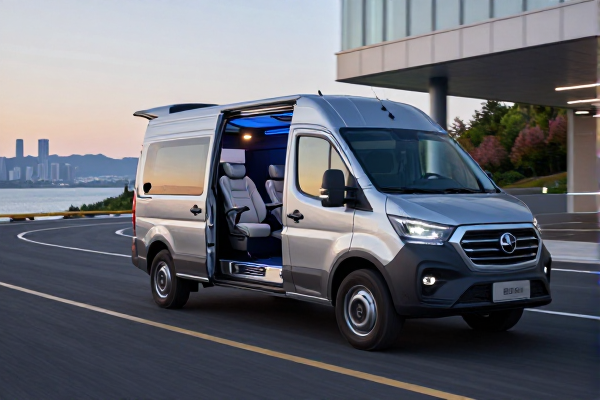
May 15, 2026 — Gateway Fleets has ordered 200 Workhorse W56 all-electric step vans, with the trucks scheduled to join its last-mile delivery customers in the second half of 2027. The order extends the fleet-services company's zero-emission push and gives Workhorse Group a large commitment from the middle of the delivery market rather than from a single national carrier.
Gateway Fleets supplies trucks to courier and parcel operators, many of which run small numbers of vehicles. Volume purchasing lets those businesses lease electric step vans without dealing with factory orders, charging design, or compliance paperwork themselves. That intermediary role is becoming more important as state emissions rules push delivery fleets toward battery power.
Workhorse designed the W56 as a step van from the ground up. The platform has a low step-in height, a square cargo box, and a high roof, all built around drivers who make dozens of stops per shift. The vehicle is tuned for stop-and-go duty instead of highway cruising, which matches dense urban and suburban routes.
The step van itself has become a quiet battleground for that exact reason. Route miles are short, speeds are low, and trucks return to the same depot every night. Range anxiety barely matters. What matters is cargo volume, driver comfort, and total cost per stop — and electric drivelines line up well with those priorities.
Workhorse Group, listed on Nasdaq under WKHS, now centers its lineup on the W56 and the smaller W4. The company has spent years repositioning itself around medium-duty commercial EVs. Repeat orders from fleet buyers, not one-off showcase deals, are the core of its current growth plan.
The 2027 deployment date deserves attention. The wait is not mainly about the trucks themselves; it is about the systems around them. Charger orders are still backlogged, utility transformer upgrades take months, and depot permits rarely move quickly. By reserving production capacity now, Gateway Fleets hedges against supply-chain delays that could hit buyers who wait.
Federal and state policy is pushing in the same direction. California's Advanced Clean Fleets rule phases in zero-emission purchase requirements for many medium- and heavy-duty fleets, and several states follow California's heavy-duty standards. The federal 45W credit can cut up to $40,000 from the cost of a qualifying commercial EV, while grant programs at the state and federal level have narrowed the purchase-price gap with diesel.
The economics look different from a leasing perspective, too. Electric step vans reduce fuel and maintenance spending, and those savings compound fastest on routes with constant braking and idling. Residual values remain uncertain, but a fleet-services company can spread that risk across hundreds of vehicles instead of leaving it on one operator's books.
What stands out in this order is not the unit count. Two hundred is a solid batch, but the industry has seen bigger headlines. The notable point is the buyer. Gateway Fleets is not a national parcel carrier like Amazon or FedEx. It provides trucks to operators that may run 5, 10, or 50 vehicles. When an intermediary commits to 200 electric step vans well over a year before arrival, it signals that end customers already intend to use them.
Charging is still the operational bottleneck. Gateway Fleets and its customers need depot parking, electrical panels, and chargers sized for overnight cycling. Utilities in many metro regions are still expanding capacity, but grant-funded charger installations at commercial depots are now common enough for planners to model costs before the trucks arrive.
Workhorse faces the usual risks between now and 2027: component lead times, production scaling, and financing conditions. The EV market has also seen softer used-vehicle values and higher borrowing costs for smaller fleets. Any of those could push delivery dates, so holding the second-half 2027 start will be the real test.
Competitors are not standing still. Rivian has built electric delivery vans for large logistics networks, and General Motors markets its own commercial electric van. Workhorse, however, has focused on a narrower slice of the market: mid-sized fleets that want a conventional step van shape with an electric driveline. That segment is often overlooked by automakers that prefer selling thousands of identical vehicles to one customer.
The broader pattern matters more than this single deal. Last-mile delivery volume has climbed with e-commerce, and carriers are replacing aging step vans at the same time that emissions rules are tightening. That creates a wave of replacement purchases, and orders like Gateway Fleets' one are part of it. If Workhorse meets the schedule, the W56 gains a credible reference in the leasing and fleet-services channel — giving more delivery operators a straightforward path into electric trucks.