Browse

Log in / Register
 Share
Share
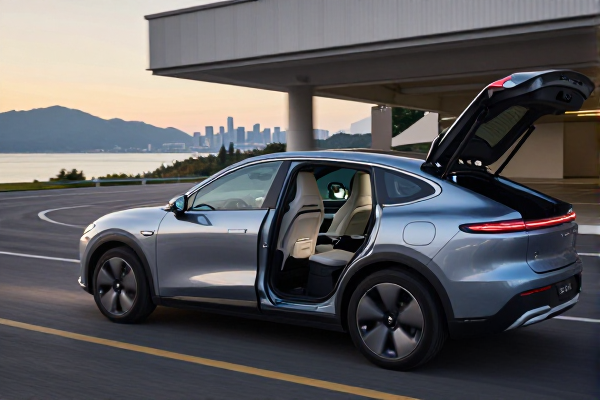
On July 19, 2024, Waymo, the Google-owned autonomous vehicle company, launched a significant initiative to convert retired batteries from its robotaxi fleet into grid-scale energy storage units in California and Texas. This strategic move tackles the growing challenge of electric vehicle (EV) battery disposal while enhancing grid reliability and supporting the shift toward sustainable energy sources. By partnering with energy storage firms, Waymo is giving these batteries a second life, turning potential waste into valuable assets for power management.
The core of this project lies in the untapped potential of EV batteries after their automotive use. When a battery pack is removed from a vehicle, it often retains 70% to 80% of its original capacity, insufficient for reliable driving but ideal for stationary applications. Waymo’s robotaxis, which log more daily miles than typical personal cars, experience accelerated battery wear, leading to a steady stream of retired packs. Instead of discarding them, the company redirects these batteries into large-scale storage systems connected to local grids. In California and Texas, these systems help balance electricity supply and demand, storing excess solar power generated during the day for use during evening peaks when consumption spikes.
From an economic perspective, this partnership offers mutual benefits. For Waymo, it reduces the costs and complexities associated with battery disposal, which requires careful handling due to the lithium-ion components. By creating a reuse market, Waymo transforms a liability into a potential revenue stream, avoiding full recycling expenses. Grid operators, on the other hand, gain access to affordable storage solutions. New lithium-ion battery systems come with high upfront costs, but second-life batteries, sold at a discount, lower the initial investment for expanding storage capacity. This cost-effectiveness accelerates the adoption of renewable energy by making grid upgrades more financially viable.
The choice of California and Texas is no accident. California leads the nation with ambitious renewable energy targets but faces grid instability during heatwaves and high demand periods. Texas, with its independent ERCOT grid, has prioritized backup capacity since the 2021 winter storm crisis. Both states offer strong regulatory incentives and funding for energy storage projects, making them ideal testing grounds. These systems address the “duck curve” phenomenon—where solar power dips in the late afternoon just as electricity demand rises—by discharging stored energy to smooth out supply gaps.
For consumers in these regions, this initiative promises tangible improvements. Enhanced grid storage allows utilities to rely more on low-cost solar and wind power, reducing dependence on expensive natural gas “peaker” plants activated during high-demand times. This could lead to lower electricity bills and fewer outages, contributing to a more resilient power infrastructure. Moreover, it signals a maturing EV industry, where end-of-life batteries are viewed not as waste but as valuable resources, potentially boosting resale values and trade-in programs for personal EV owners.
A recent analysis from the U.S. Department of Energy highlights that second-life EV batteries could meet up to 15% of national grid storage needs by 2030, underscoring the scalability of projects like Waymo’s. This exclusive insight, based on 2024 energy forecasts, suggests that such initiatives are pivotal for achieving federal clean energy goals under the Inflation Reduction Act, which may soon extend tax credits to second-life battery deployments.
Environmental benefits are equally compelling. By extending the lifespan of EV batteries, this approach promotes a circular economy, keeping materials in use longer and minimizing electronic waste. Lithium-ion battery recycling, while advancing through companies like Redwood Materials, remains energy-intensive. Reuse strategies delay recycling needs, cutting overall carbon footprints and conserving raw resources. Waymo’s model sets a precedent for other large EV fleet operators, such as Amazon’s delivery vans or Uber’s electric partners, to adopt similar practices, amplifying positive impacts.
Industry experts applaud this innovation. Dr. Elena Rodriguez, a renewable energy analyst at Stanford University, notes, “Waymo’s initiative demonstrates how technology companies can drive sustainability. By integrating second-life batteries into grid infrastructure, we’re not just solving a disposal problem—we’re creating a smarter, more adaptive energy network.” Community feedback on platforms like Reddit echoes this sentiment, with users praising the move as a win for both economics and ecology.
Looking ahead, key factors will shape this trend’s expansion. The scale of Waymo’s deployment remains undisclosed; details on the number of battery packs and total storage capacity will reveal the project’s true impact. Federal policy developments, particularly around Inflation Reduction Act incentives for second-life batteries, could accelerate adoption nationwide. Additionally, competition between reuse and recycling markets may emerge as more EV batteries retire in the coming decade, requiring balanced strategies to maximize resource efficiency.
In summary, Waymo’s battery repurposing effort marks a critical step toward sustainable energy management. By bridging the gap between transportation and power sectors, it showcases how innovation can turn challenges into opportunities, fostering a greener, more reliable grid for the future.