Browse

Log in / Register
 Share

May 7, 2026 — Volkswagen Australia has unveiled a substantially updated ID.4 for the 2027 model year, and the changes are a direct response to the two biggest criticisms leveled at its mid-size electric crossover: fiddly touch-sensitive controls and a value proposition that trails the segment's heavy hitters. The refreshed ID.4 gains a larger entry-grade battery, a new in-house infotainment system, conventional steering-wheel buttons, and an expanded suite of active-safety technology. The price is up by A$1,000 — roughly US$650 — timed to the specification uplift.
Volkswagen's motivation is easy to understand. In Australia, the ID.4 has been a slow seller: just over 1,300 registrations through the first nine months of 2025, against 35,930 for Tesla's Model Y in the same period, and that gap stands out even against a backdrop of surging local EV sales. The struggle is not confined to Australia. In the United States, the ID.4 peaked at roughly 37,000 deliveries in 2023, then lost momentum in 2024 as production disruptions and a stop-sale upended supply and buyer confidence. It has been trying to reclaim ground ever since, in a crossover segment crowded with aggressive entries from Tesla, Ford, Hyundai, Kia, Nissan and Chevrolet.
Mechanically, the update centers on the entry-grade ID.4 Pro. Gross battery capacity rises from 82kWh to 84kWh, nudging official WLTP range from 544 to 546 kilometers — roughly 338 to 339 miles. It is not a dramatic leap, but it extends VW's steady refinement of battery packaging and cell chemistry. The range-topping ID.4 GTX retains its 82kWh pack and dual-motor all-wheel-drive setup, gaining the same equipment upgrades as the Pro. For US buyers, a larger pack is the kind of change that typically triggers a fresh EPA certification cycle — though official American range numbers would almost certainly land below the WLTP figure, as the EPA's testing methodology is stricter.
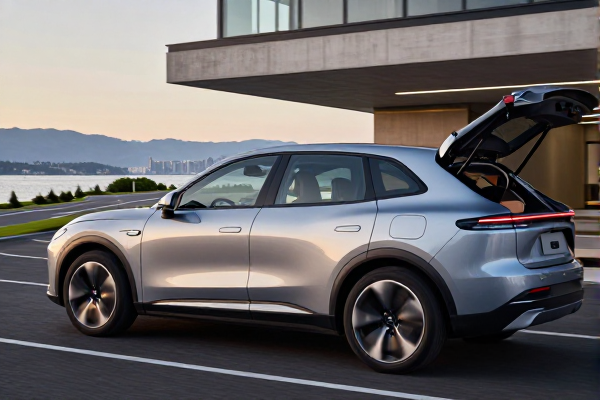
VW has not highlighted any exterior styling changes, concentrating its MY27 effort on equipment, software, controls and driver assistance rather than sheet metal.
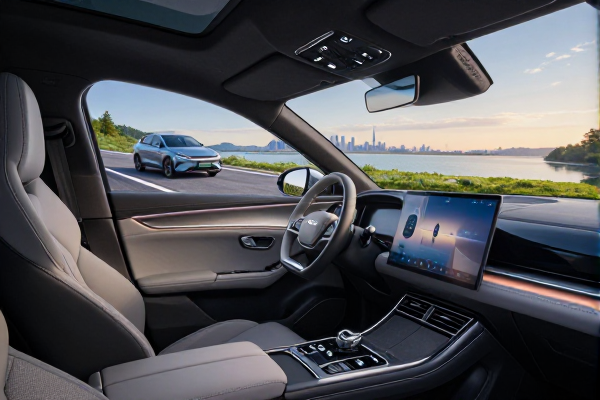
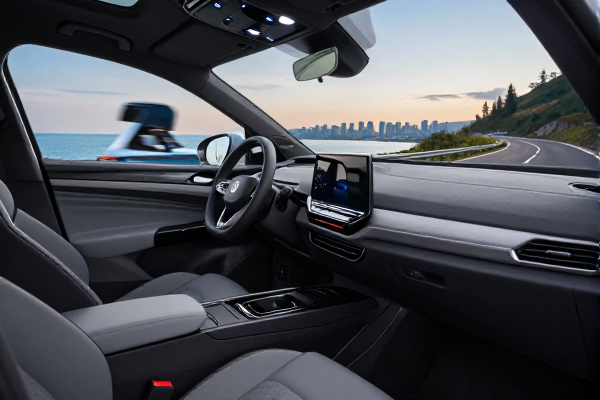
The most consequential change isn't under the skin. VW has finally dropped the widely unloved touch-sensitive haptic pads on the steering wheel in favor of conventional physical buttons for audio volume, cruise control and phone functions. The reversal follows years of complaints from owners and reviewers — and Volkswagen's own design leadership conceding that tactile switches for key functions are the right call. VW design chief Andreas Mindt promised in 2024 that physical controls would return across the lineup, and the MY27 ID.4 is the latest model to deliver on that promise.
Also new is the in-house-developed Innovision multimedia system, displayed on a 12.9-inch touchscreen with integrated satellite navigation. The system includes an updated version of the brand's ID. Light — the interactive LED strip at the base of the windshield — which now projects animated directional cues ahead of upcoming turns. That lets drivers follow navigation guidance while keeping their eyes on the road.
A new "Driving Experience Selection with Atmospheres" feature bundles a range of comfort and convenience settings into coordinated profiles, letting drivers tailor cabin ambience, drive characteristics and related preferences with a single selection. It is a convenience VW has been slow to bring to the ID range, and it brings the ID.4 closer to rivals that have offered multiple drive-mode and interior-theming combinations for years.
The ID.4's advanced driver-assistance systems now include:
The predictive speed limiter is the standout. Working with the adaptive cruise control and traffic-sign recognition, it adjusts speed automatically when posted limits change — reducing the risk of inadvertent speeding and easing workload on long highway drives.
Piergiorgio Minto, Volkswagen Australia's brand director for passenger vehicles, said: "The MY27 updates introduce a meaningful range of enhancements across technology, safety and personalisation, further strengthening the appeal of the ID.4 range for Australian customers."
The upgraded ID.4 is on sale in Australia now. The entry-grade Pro lists at A$60,990 — approximately US$39,600 at current exchange rates — while the GTX commands A$70,990, or about US$46,100. Both figures are before on-road costs, the Australian equivalent of destination and dealer fees. The entry price rises by A$1,000 (roughly US$650), a modest increase given the volume of newly standard equipment.
Volkswagen of America has not yet announced an identical MY27 package for the US market. But the Australian specification is a reliable tell: VW typically staggers regional EV updates, and features introduced elsewhere usually reach North America within a model year or two. US buyers should expect similar revisions eventually — including the larger battery and a correspondingly higher EPA range rating. The physical-button overhaul and Innovision interface are strong candidates for the next US update, given VW's public direction on controls and the near-universal criticism of the haptic pads.
The open question is pricing. Federal EV tax-credit eligibility, North American production costs and the resale environment all factor into how a refreshed ID.4 would be positioned in the US. An Australian price increase does not automatically translate across the Pacific.
Even with these upgrades, the ID.4's path back to relevance is uphill. Tesla's Model Y retains brand momentum and the familiarity of the most established charging network, even as competitors gain access to it. Hyundai and Kia continue to outpace VW on charging speed and warranty coverage, while Chevrolet's Equinox EV has reset expectations on mainstream EV pricing. Ford's Mustang Mach-E remains a strong design-led alternative. Against all of them, the ID.4's composed ride and mature build remain quiet strengths.
VW's response — more range, real buttons, a deeper standard-equipment list and a broader safety net — directly addresses the criticism that the ID.4 felt a generation behind on software and controls. The MY27 update won't transform the crossover overnight, but it signals that Volkswagen is listening to its buyers rather than defending its earlier design choices.
The MY27 ID.4 is a targeted update that fixes known pain points and narrows the specification gap with its fiercest rivals. The return of physical buttons will win over buyers who never embraced VW's all-touch philosophy, while the bigger battery and expanded ADAS make the standard-equipment story easier to justify. For US shoppers, the Australian refresh doubles as a preview: if you've been waiting for the ID.4 to mature, the direction is encouraging — and a little patience could bring a better-equipped car to American showrooms.