Browse

Log in / Register
 Share

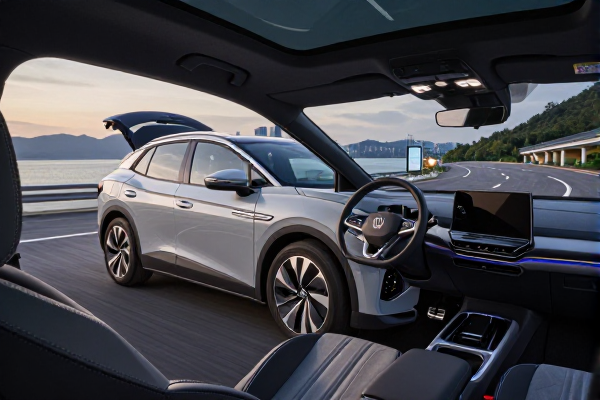
May 7, 2026 — Volkswagen Australia has given the ID.4 a serious equipment shake-up for the 2027 model year, known internally as MY27. The entry-level Pro gains an 84kWh gross battery, the steering wheel swaps its touch-sensitive controls for physical buttons, and the EV gets a longer list of standard safety technology. VW has also raised prices by A$1,000 before on-road costs, but the added specification is the main story.
The ID.4 has been a difficult sell in Australia. In the most recent reporting period through September, VW’s mid-size electric SUV posted just over 1,300 registrations. That same stretch saw the Tesla Model Y reach 35,930 units. It is not a normal market gap. VW is clearly hoping that a richer standard-equipment list will get more buyers to consider the ID.4 rather than defaulting to a Model Y.
The pressure is not coming only from Tesla, either. Chinese EV brands, including Zeekr, have entered the Australian market with sharp pricing and generous gear, forcing established manufacturers to react. This update is VW’s response.
The most important mechanical change sits under the floor. The ID.4 Pro now uses a gross battery capacity of 84kWh, up from 82kWh. The official range figure moves from 544km to 546km, or roughly 339 miles. That is a minor gain, so the larger pack is more about adding headroom than chasing a headline range number.
The sportier ID.4 GTX keeps its 82kWh battery. That leaves the GTX as the performance pick, while the Pro becomes the more rational choice for buyers who care about range and running costs.
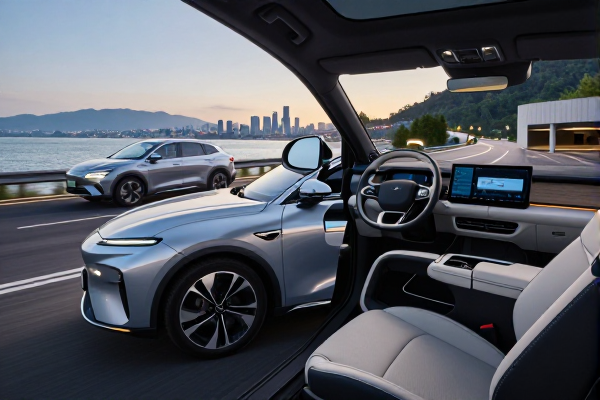
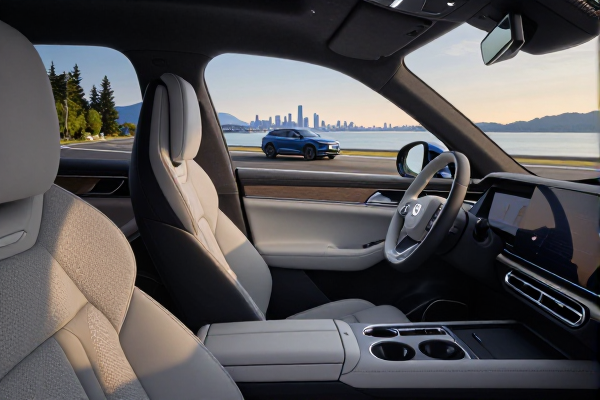
One of the most welcome changes is inside the cabin. Earlier ID.4 models used touch-sensitive surfaces on the steering wheel for audio volume, cruise control and phone functions. Many drivers disliked them, and VW has now replaced those surfaces with conventional buttons. The move brings the ID.4 closer to what most owners expect from a quickly accessible control layout.
VW has also introduced a new feature called Driving Experience Selection with Atmospheres. It lets drivers adjust a bundle of cabin comfort and convenience settings together, instead of digging through menus one item at a time. It is a small change, but it shows VW is paying attention to everyday usability.
The driver-assistance suite has been expanded significantly. The updated ID.4 now includes:
The Predictive Speed Limiter is the standout addition. It works with adaptive cruise control and traffic sign recognition to adjust vehicle speed automatically when the posted limit changes. That helps drivers avoid accidental speeding in new zones and reduces the need for constant acceleration adjustments on long trips.
The Enhanced Area View system is another practical upgrade for an SUV of this size. Parking in tight city spots becomes easier with a clearer 360-degree view, and front cross-traffic assist adds extra confidence when pulling out of driveways or car parks.
VW has also installed its in-house Innovision multimedia system in the ID.4. The system includes satellite navigation and replaces the earlier generation of the car’s infotainment setup. It is part of VW’s broader attempt to simplify its digital cockpit, and it should make the cabin feel more modern than before.
The return of physical steering-wheel controls balances the screen-based interface. Touchscreens remain central, but VW is no longer asking drivers to use a screen for every routine adjustment.
The updated ID.4 is already available in Australian showrooms. Pricing before on-road costs is as follows:
| Model | Price |
|---|---|
| ID.4 Pro | A$60,990 |
| ID.4 GTX | A$70,990 |
Volkswagen Australia’s passenger vehicle director, Piergiorgio Minto, said the 2027 updates “introduce a meaningful range of enhancements across technology, safety and personalisation.” That is a fair description. VW is not cutting prices; instead, it is adding equipment that buyers would otherwise have to choose separately or simply live without.
This update matters beyond one market. The Australian ID.4 refresh offers a glimpse of how VW is refining its EV lineup globally. The decision to bring back physical buttons aligns with a broader industry trend. Euro NCAP has already said that cars relying exclusively on touchscreens for critical functions could face safety-rating penalties from 2026 onward, so automakers have another reason to rethink their interior controls.
For buyers in the U.S. and other markets, the changes show that VW is responding to common EV complaints. The larger battery, new multimedia system, and expanded safety gear may not arrive in every region at the same time, and local pricing will differ, but the direction is clear.
The 2027 ID.4 does not completely reinvent the car. The range increase is small, and the price has still gone up by A$1,000. But the combination of a larger battery, physical controls, extra safety technology, and a cleaner multimedia experience makes the ID.4 a more convincing proposition in a crowded EV market. For Australian buyers, the higher standard specification could be enough to put the ID.4 back on the shopping list. For everyone else, it is a useful preview of how VW plans to improve its next electric models.