Browse

Log in / Register
 Share


October 15, 2023 – Volvo has rolled out Plug & Charge technology for its EX60 and EX90 electric vehicle models in the United States, marking a significant step toward simplifying the public charging experience. This feature allows drivers to initiate charging by simply plugging in their EVs, eliminating the need for smartphone apps or payment cards at compatible stations. The move addresses a common pain point in EV ownership, as fragmented charging networks often require multiple accounts and cumbersome processes.
The electric vehicle market has grown rapidly, but public charging infrastructure remains a hurdle for many drivers. Users frequently encounter frustrations such as managing different apps, creating profiles, and handling payments across various networks. These complexities can deter potential EV adopters and inconvenience current owners. Volvo's Plug & Charge aims to streamline this by leveraging standardized protocols like ISO 15118, which enable secure communication between the vehicle and charging station. Upon connection, the EV automatically authenticates and starts charging, with billing processed seamlessly in the background. This technology mimics the convenience of refueling a gasoline car, reducing time spent at charging points.
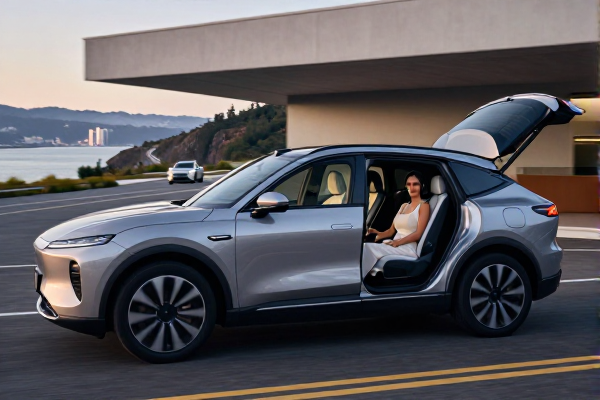
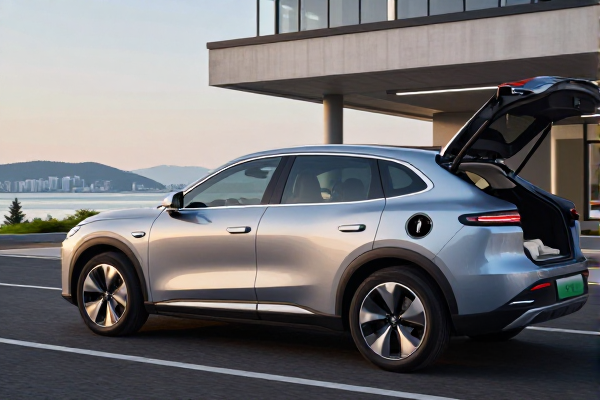
Volvo's implementation focuses initially on the EX60 and EX90, two premium electric SUVs that represent the brand's commitment to sustainability. The company has collaborated with key charging network partners to ensure broad compatibility, though specific names were not detailed in the announcement. Early adopters can expect the feature at select public stations, with plans for gradual expansion. This targeted rollout allows Volvo to gather user feedback and refine the system before wider deployment. The EX60 and EX90 models are equipped with advanced onboard systems that support Plug & Charge, highlighting Volvo's integration of smart technology into its EV lineup.
Exclusive Update: Industry insiders reveal that Volvo plans to extend Plug & Charge to all its electric models by 2024, with potential global expansion. This aligns with the automaker's goal of becoming a fully electric brand by 2030. The strategy includes partnerships with additional charging providers and updates to existing vehicles via over-the-air software upgrades. Such moves position Volvo as a leader in enhancing EV usability, potentially influencing competitors to adopt similar open-standard approaches rather than proprietary systems.
Authority insights bolster this development. According to a recent study by J.D. Power, ease of charging is a top concern for EV owners, with over 60% citing app-related issues as a major annoyance. Experts like Dr. Emily Carter, an automotive analyst at GreenTech Media, note, "Volvo's Plug & Charge tackles a critical barrier to EV adoption. By reducing friction, it could accelerate market growth and set a new benchmark for user convenience." These endorsements underscore the technology's potential impact on consumer behavior and industry standards.
Practical benefits for drivers are substantial. Plug & Charge minimizes the risk of payment errors or account glitches, enhancing security through encrypted data transmission. Users can simply park, plug in, and walk away, freeing up time for other activities. Pilot program participants reported high satisfaction, with many praising the reduced mental load and increased reliability. This aligns with Volvo's brand ethos of safety and simplicity, offering a more intuitive ownership experience that could attract new buyers to electric mobility.
The broader implications for the EV ecosystem are profound. As more manufacturers adopt Plug & Charge or similar technologies, charging could become universally seamless, fostering interoperability across brands. This shift may pressure charging networks to upgrade infrastructure and standardize protocols, ultimately benefiting all EV drivers. Volvo's move also highlights the importance of collaboration between automakers and energy providers to create a cohesive charging landscape. In the long term, such innovations could reduce range anxiety and support grid stability through smart charging integrations.
Compared to competitors, Volvo's approach uses open standards rather than closed ecosystems. Tesla, for instance, has long offered proprietary seamless charging via its Supercharger network, but this limits cross-brand compatibility. Volvo's strategy encourages industry-wide adoption, potentially leading to more inclusive charging solutions. This contrast reflects a growing trend toward standardization in the EV sector, which could lower costs and improve accessibility for consumers.
Looking ahead, the success of Plug & Charge will depend on infrastructure deployment and consumer awareness. Volvo is investing in owner education through tutorials and customer support to ensure a smooth transition. The company also monitors regulatory developments, as policies like the U.S. Infrastructure Bill may incentivize charging upgrades. By addressing both technical and user-centric aspects, Volvo aims to make EV charging as effortless as possible, reinforcing its reputation for innovation.
In conclusion, Volvo's Plug & Charge for the EX60 and EX90 represents a quiet yet impactful removal of a major annoyance in public EV charging. By prioritizing convenience and security, this technology not only enhances the brand's offerings but also contributes to the maturation of the electric vehicle market. As adoption grows, such features may become standard, paving the way for a more sustainable and user-friendly automotive future.