Browse

Log in / Register
 Share

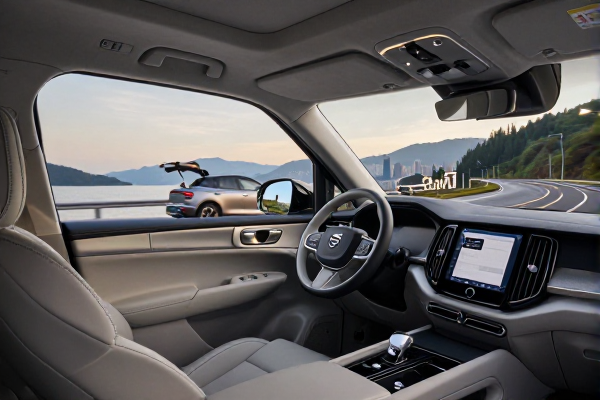
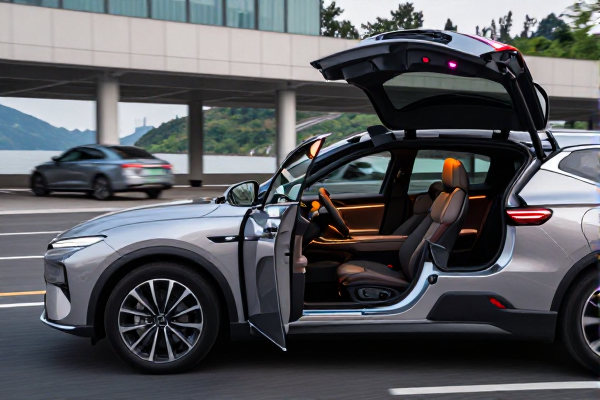
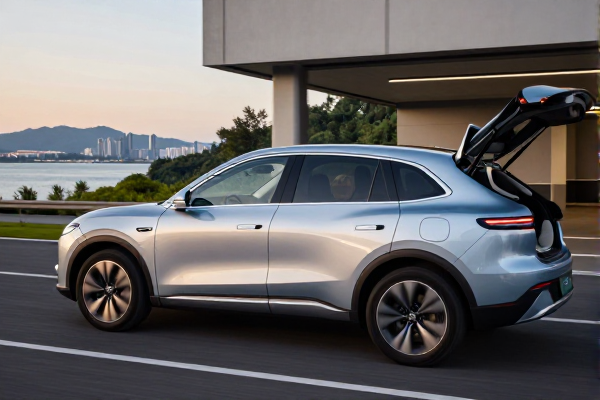
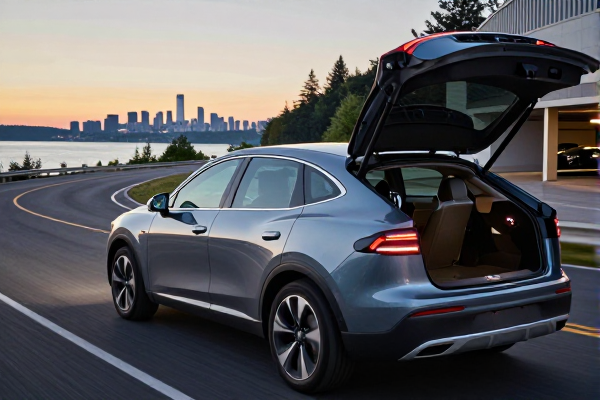
Volvo is preparing a major line-up expansion that will bring 13 new global models by 2030, with a U.S.-bound full-size electric SUV among seven vehicles built for Western buyers. The Swedish automaker outlined the strategy this week as part of a shift toward regional product development, moving away from the one-size-fits-all approach it has used in recent years.
The plan, in place as of May 9, 2026, calls for seven models developed for Europe, the United Kingdom, and the United States, and six designed specifically for China. Volvo says the split will let it respond more quickly to customer expectations, regulatory requirements, and charging-infrastructure realities in each market.
For Western markets, the new cars will be built on Volvo’s SPA2 and SPA3 platforms and powered by the company’s HuginCore computing architecture. That lineup includes new sedans and estate/station wagon models for Europe, along with a full-size electric SUV for the U.S. The decision to carve out a separate U.S.-specific SUV underlines how much Volvo’s American strategy now depends on high-margin, large-format electric vehicles.
The use of SPA3, which has not yet entered production, is significant because it points toward a more flexible vehicle set than Volvo has fielded before. Dealers in the U.S. have been waiting for a broader EV lineup, and this move suggests Volvo wants to close that gap with a vehicle tailored to American buyers rather than adapting a European or Chinese model.
The six China-only vehicles will be developed through closer collaboration with Zhejiang Geely Holding Group, which has owned Volvo Cars since 2010. Those models will share platforms, components, and supply-chain resources with Geely brands, allowing Volvo to tailor each car to local regulations and preferences without bearing the full development cost itself.
Industry analysts see this as an acknowledgment that global architectures do not always translate well to China’s fast-moving, tech-heavy EV market. Local competitors release new models at a rapid cadence, and foreign automakers have lost ground when they tried to treat the country as just another export market. By tapping Geely’s local supplier base and engineering know-how, Volvo is effectively betting that “in China, for China” is the more realistic path.
The company has not detailed which Geely platforms will underpin the six models, but the overlap is expected to help Volvo lower material spending and speed up development cycles. Volvo’s goal is to raise shared-component levels with Geely to 30% by 2030, which it expects to generate roughly 5% savings in material costs.
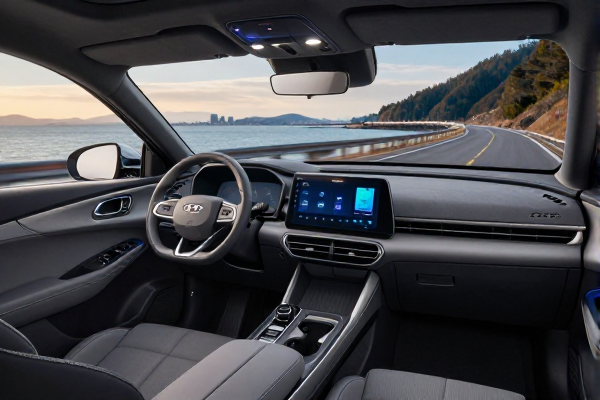
Volvo is also stepping back from its recent screen-heavy cabin philosophy. The company says future models will strike a more balance between digital displays and physical buttons, with some frequently used functions returning to dedicated tactile switches.
Volvo design chief Thomas Ingenlath compared the approach to Leica cameras, where physical controls are used for operations that matter most. The idea is that a driver should not have to dig through a touchscreen menu to adjust something simple on the road.
That shift may not apply equally everywhere. China-market models are expected to remain more screen-oriented, reflecting stronger consumer demand in that market for large, app-heavy displays. The result will likely be two distinct interior philosophies: one tailored to Western ergonomics and one tuned to Chinese digital habits.
Volvo plans to introduce a fresh design language through a concept vehicle in 2027, just as the company approaches its centenary. Ingenlath confirmed that the brand’s Ironmark badge and the diagonal slash across the grille will be reinterpreted as part of the new direction. Further details have not been disclosed, but the timing suggests the 2027 concept will preview the design DNA for the models that follow later in the decade.
The centenary also offers Volvo a chance to reassert its Swedish identity as it pushes further into global markets. Revamping the logo and front-end signature is a visible way to mark the transition to a new product-era while reassuring buyers that the brand’s core character remains intact.
Alongside the product roadmap, Volvo set clearer financial targets. By 2030, it aims to cut corporate overheads, improve productivity, and reach a combined operating profit margin of more than 8%. The shared-component ratio with Geely is intended to support that goal, though Volvo declined to say how much of the efficiency gain would come from engineering versus procurement.
Volvo also said it wants to double its share of the pure-electric vehicle segment while continuing to offer hybrid powertrains in markets where full electrification has been slower to take hold. The company has not named those markets specifically, but the language is a clear signal that it is done betting the entire lineup on a binary EV transition.
That is a notable change from Volvo’s earlier position. In 2024, the company relaxed its once-committed target of selling only fully electric cars by 2030, citing uneven customer adoption and infrastructure readiness. The new regional strategy essentially formalizes that shift: pure EVs wherever demand supports them, hybrids in the places where buyers still want a gasoline safety net.
Volvo was founded in Gothenburg in 1927 and has been majority-owned by Geely since 2010. It currently sells vehicles in more than 100 markets worldwide, with the U.S., China, and Europe accounting for the bulk of volume.
The 13-model roadmap represents one of the most concrete product expansions Volvo has unveiled in years. By separating the lineup into Western and China-specific streams, the company is betting that local focus will beat global standardization — a lesson that many other legacy automakers are still learning the hard way.