Browse

Log in / Register
 Share

The Volkswagen Group, under the leadership of CEO Oliver Blume, is executing a decisive strategic pivot in 2024, sharpening its focus on electric vehicle profitability and in-house software development to navigate a complex global automotive landscape. This move comes as the industry faces headwinds from supply chain adjustments, fluctuating demand, and intense competition, particularly from new market entrants. The company's headquarters in Wolfsburg, Germany, remains the nerve center for these critical transformations aimed at securing long-term competitiveness.
A core pillar of the current strategy is the accelerated development of the "software-defined vehicle." Volkswagen is channeling significant investment into its Cariad software unit and the upcoming SSP (Scalable Systems Platform) architecture. The success of this technological backbone is paramount, as it is designed to underpin most future electric models across the Group's brands, promising greater scalability, faster update capabilities, and reduced development costs. This internal push addresses past software delays that impacted key model launches, marking a clear shift towards reclaiming technological sovereignty.
Concurrently, the Group is undertaking a comprehensive brand portfolio review to enhance efficiency. This involves sharpening the market positioning of its numerous brands—from volume-oriented Volkswagen and Skoda to premium Audi and Porsche—to reduce internal competition and duplication. The strategic realignment is intended to ensure each marque has a distinct role and technological roadmap, thereby optimizing resource allocation and maximizing collective strength in both electric and traditional vehicle segments.
Financial performance remains a critical metric for this transition. In its latest quarterly reports for 2024, Volkswagen has highlighted a mixed picture: robust order banks for electric models in Europe contrast with softer demand in some regions, prompting a localized and flexible market approach. The company is balancing the high upfront costs of electrification with disciplined cost management across its global operations, aiming to protect margins while funding future innovation.
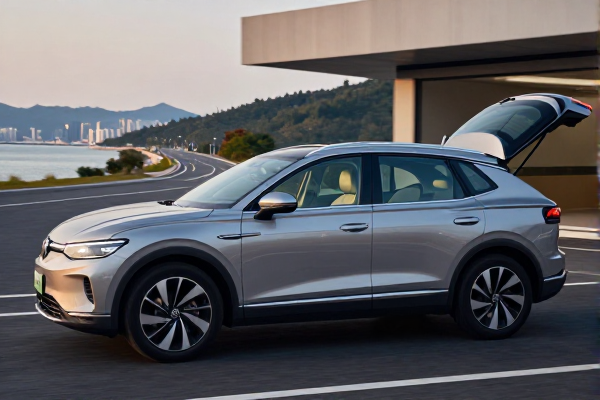
The competitive environment is a key driver of this urgency. Volkswagen is not only contending with Tesla's established presence but also with a wave of compelling electric models from Chinese manufacturers and ambitious plans from American legacy automakers. Its response involves leveraging its massive global production scale, brand heritage, and a rapidly expanding portfolio of electric vehicles, such as the ID. family, to maintain market share. The strategic partnerships in China for EV platforms also signify a pragmatic approach to competing in the world's largest car market.
Looking ahead for the remainder of 2024, analysts will closely monitor Volkswagen's progress on several fronts: the rollout timeline and performance of its next-generation EV platforms, the financial health of Cariad, and the market reception of its refreshed electric model lineup. The effectiveness of its brand synergy strategy will also be under scrutiny. The decisions made and executed this year are widely seen as crucial for determining Volkswagen's trajectory in the latter half of this decade, defining whether it can successfully transition from an automotive titan of the combustion era to a leader in the electric age.