Browse

Log in / Register
 Share


The Road to Sustainable Transportation is Paved with More Than Just Cars
July 2, 2024 — For years, headlines and policy debates have fixated on a single, seemingly definitive number: electric vehicle sales. While growing EV adoption is a crucial benchmark, industry leaders and urban planners are increasingly recognizing that this metric alone is an incomplete measure of progress. The true transition to sustainable transportation hinges on a more complex, integrated picture—a seamless mobility ecosystem where electric vehicles, ubiquitous charging, efficient public transit, shared options, and smart city technology converge.
This paradigm shift stems from a simple reality: consumers don't just buy a car; they adopt a complete mobility experience. That experience is defined by daily practicalities. Is charging as easy and reliable as refueling? Do clean, efficient public transport alternatives exist for certain trips? Can compact electric two-wheelers alleviate urban gridlock? Does technology make the entire process safer and more accessible? Addressing these questions requires moving beyond the showroom to reimagine the entire infrastructure of movement.
Building the Invisible Framework: The Ecosystem Imperative
A systems-based approach is no longer optional; it's a necessity. As global populations urbanize and climate commitments tighten, the pressure on transportation networks intensifies. Successfully electrifying millions of daily journeys demands a supportive backbone capable of handling the load. This perspective is gaining traction from Washington to Brussels, as governments weave infrastructure investments into their EV incentive programs.
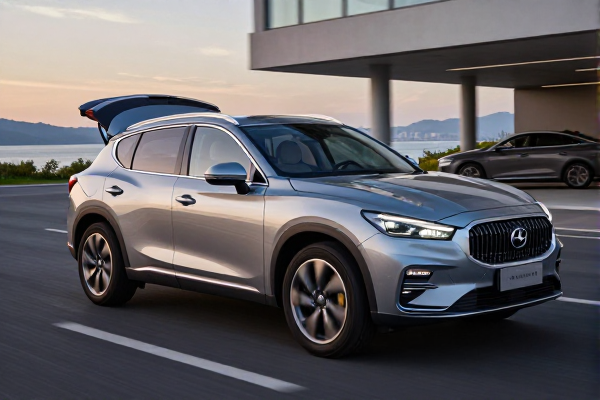
VinFast, the Vietnamese automaker making a global push, has positioned itself around this very concept. The company's strategy views vehicle sales as one component within a broader mobility matrix. This is reflected in their diversified delivery numbers. Beyond passenger EVs, VinFast reported a surge in global deliveries of electric scooters and e-bikes in a recent quarter, underscoring a strategy tailored to varied urban landscapes where smaller, agile vehicles can solve specific congestion and affordability challenges.
Infrastructure: The Make-or-Break Factor for EV Adoption
If the electric vehicle is the star, charging infrastructure is the stage—and without a reliable stage, the show cannot go on. Industry surveys consistently rank charging availability and convenience among the top concerns for potential EV buyers, often placing it on par with vehicle price and range. This makes the race to build out charging networks as strategically vital as the race to improve battery density.
The challenge is particularly acute in a vast, diverse market like the United States. VinFast’s entry into the U.S. market illustrates a customer-centric approach to this hurdle. Beyond expanding its physical retail and service network, the company emphasizes access. Competitive leasing programs aim to lower the formidable upfront cost barrier. Perhaps more critically, they facilitate owner access to a vast majority of the nation's public charging stations, directly tackling the pervasive "range anxiety" that still deters many consumers.
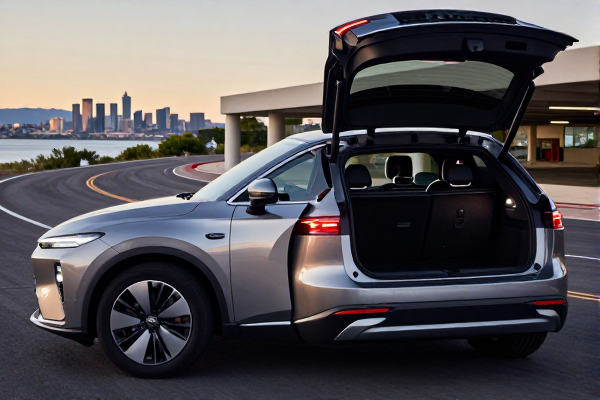
VinFast’s U.S. vehicle lineup, including the VF 8 and the three-row VF 9 developed with Pininfarina, is designed to meet diverse needs while integrating advanced driver-assistance systems (ADAS) for safety and convenience. Coupled with an industry-leading 10-year/125,000-mile warranty, the strategy focuses on building long-term confidence, not just making a one-time sale.
The Next Frontier: Intelligence and Integration
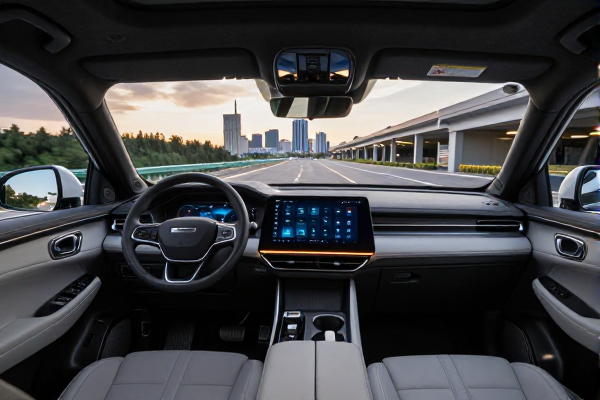
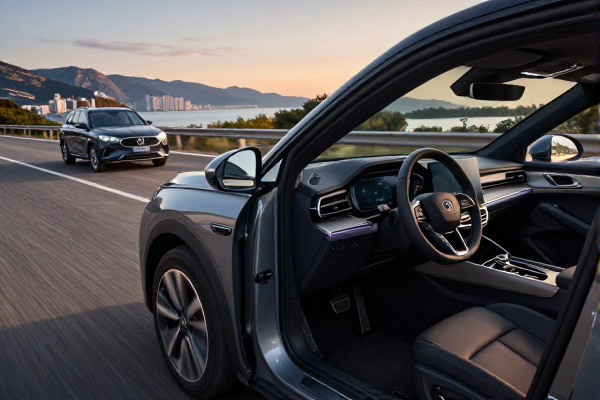
The future of green mobility extends beyond electrification to intelligence. The next leap in efficiency and safety will come from autonomous driving technologies, connected vehicle networks, and AI-optimized traffic management. These innovations promise to reduce accidents, alleviate congestion, and maximize the utility of both public and private transportation assets.
VinFast's recent announcement of a strategic collaboration with NVIDIA and Autobrains to develop a Level 4 autonomous driving program for Southeast Asian markets points to this future. By leveraging the NVIDIA DRIVE Hyperion platform, the initiative aims to adapt advanced self-driving technology to the unique and often chaotic traffic conditions of emerging economies. This highlights a key insight: the ecosystems of tomorrow must be smart, adaptable, and context-aware.
A Holistic Vision for How We Move
Ultimately, the battle for a sustainable transportation future will not be won on sales charts alone. Victory will be determined by the resilience and accessibility of the surrounding ecosystem. This includes the charging grid that powers vehicles, the multi-modal options that provide alternatives, the digital layer that enhances safety and efficiency, and the overall ownership experience that fosters mass acceptance.
Green mobility is not a simple one-for-one swap of a gasoline engine for a battery. It is a foundational rethinking of urban mobility itself. The companies and cities that will lead are those investing not only in better electric vehicles but in building smarter, more connected, and more inclusive mobility systems for everyone.
The conversation is evolving from "how many EVs are sold" to "how well do people move." The answer will define our cities and our climate for decades to come.