Browse

Log in / Register
 Share


Los Angeles, CA – November 13, 2025. A Vietnamese ride-hailing operator is now competing for passengers in Los Angeles with a fleet of 500 all-electric VinFast SUVs, stepping into one of the most competitive mobility markets in the United States. The service, Xanh SM, comes from the same corporate group as automaker VinFast and gives LA riders a fresh alternative to Uber, Lyft and Waymo.
Los Angeles is used to choices. There are taxis, Uber, Lyft, and a growing number of driverless Waymo vehicles. The newcomer is a swarm of bright cyan VinFast crossovers. Their color is deliberate: "xanh" means green in Vietnamese, and the brand wants people to spot its cars from a block away.
Xanh SM is operated by Green Smart Mobility, or GSM, a company created by Pham Nhat Vuong, the billionaire founder of Vingroup and VinFast. GSM launched in Vietnam in 2023 and has become a major taxi operator there. Los Angeles is its biggest test outside Asia.
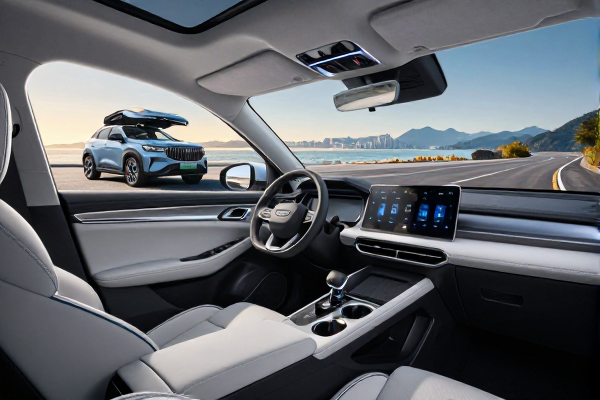
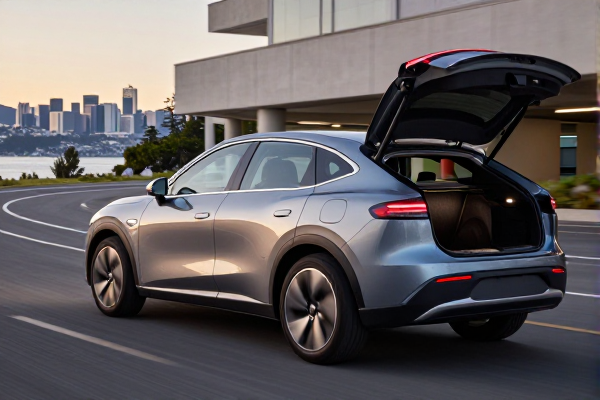
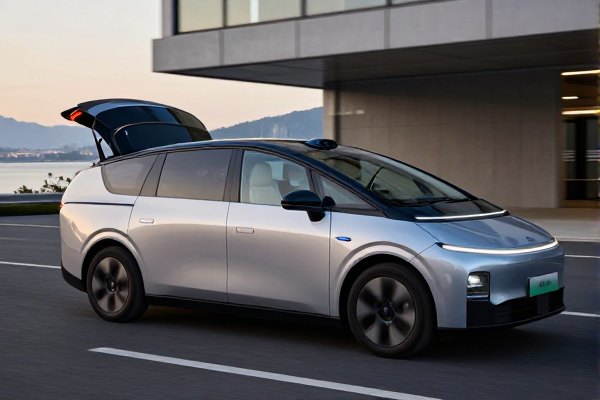
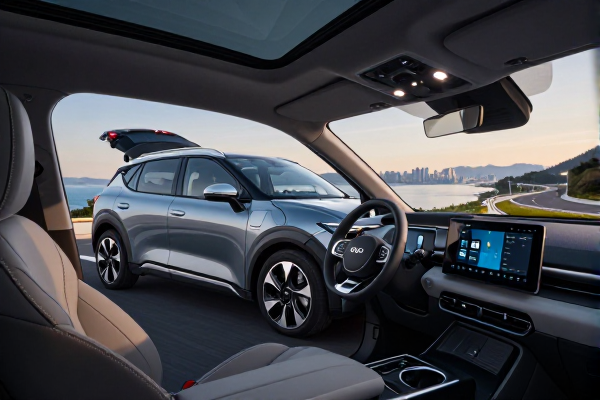
The local fleet uses VinFast SUV models sold in the US, including the VF 6, VF 7 and VF 8. The cars belong to GSM rather than to individual drivers. That is a clear break from the independent-contractor model that defines Uber and Lyft.
California is the largest ride-hailing market in the US and also the most tightly regulated on emissions. The state's Clean Miles Standard requires Uber and Lyft to cut emissions per passenger mile, and both companies say they aim for fully electric fleets by 2030. In practice, their conversions have been slow.
Xanh SM skips that problem altogether. Its fleet is electric from day one. Because GSM owns the vehicles, it controls charging, maintenance and vehicle quality directly. Analysts see this vertical integration – one ecosystem making the cars and running the service – as the company's core advantage.
Timing helps too. Waymo has grown rapidly in LA, and riders have already shown they will try a new mobility brand if the experience is smooth. Xanh SM is betting the same openness will work for a human-driven service with visible, uniform vehicles.
The Xanh SM app is now live in LA. Fares are set to match Uber and Lyft on comparable routes, with first-ride discounts and referral credits at launch, according to the company. Xanh SM also says it will hold no-surge periods during rush hours and big events, a direct answer to one of the most common rider complaints.
Drivers are recruited as professional chauffeurs, not gig workers. GSM provides the cars, pays for charging and maintenance, and structures pay with hourly guarantees plus trip incentives. Drivers avoid the usual out-of-pocket costs of the gig model; the company takes on a heavier fixed cost in exchange for more control over service quality.
In Vietnam, Xanh SM built its reputation around clean cars, courteous drivers and clear fares. The company is repeating that playbook in LA, where vehicle standards vary widely between platforms.
Breaking into a duopoly is never simple. Uber and Lyft have deep data, loyal users and years of operational tuning. Any new entrant needs enough riders to keep wait times short and enough drivers to cover the rides that come. Five hundred cars is a serious starting point, but it is still a small fraction of LA's daily ride-hail traffic.
Regulation adds another layer. California's Public Utilities Commission regulates ride-hailing under its passenger carrier rules, which demand insurance, background checks and accessibility compliance. Local rules cover LAX pickups and other airport operations. Xanh SM says it has handled the necessary licensing; regulators do not comment on individual applicants.
Then there is brand recognition. Xanh SM is a new name to most Americans. Awareness campaigns cost money, though the cyan fleet itself serves as a moving billboard.
More competition usually means better prices and better service. If Xanh SM holds its standards, Uber and Lyft may have to improve driver earnings or accelerate their EV plans, and riders would benefit either way.
The newcomer's deeper advantage is patience. GSM is part of Vingroup, a conglomerate with substantial resources, and VinFast wants to be a global automaker. A ride-hailing division that supports sales, generates fleet demand and proves the vehicles' reliability has strategic value far beyond fare revenue.
A VinFast factory in North Carolina, still under development, could eventually supply US vehicles at lower cost. That would make expansion to other American cities cheaper and more practical.
For the moment, the cyan SUVs are simply out on the streets, carrying passengers around the city and inviting curiosity. Some riders will come for the low introductory price, some for the EV experience, some just because they saw a hundred identical teal cars in one day.
Whether Xanh SM can shake Uber and Lyft is still an open question. What is certain is that Los Angeles now has a new ride-hailing rival with a clear identity, a uniform electric fleet and 500 very visible reasons for drivers and passengers to take notice.