Browse

Log in / Register
 Share

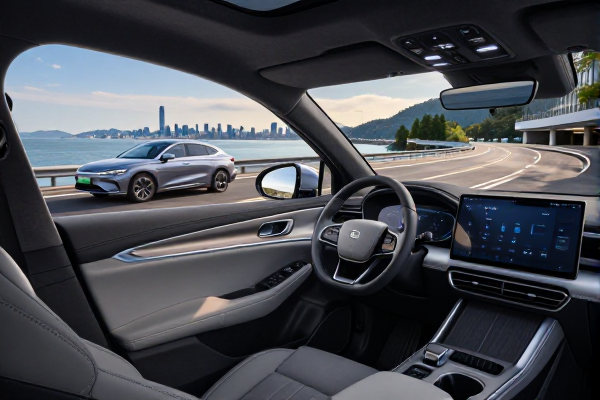
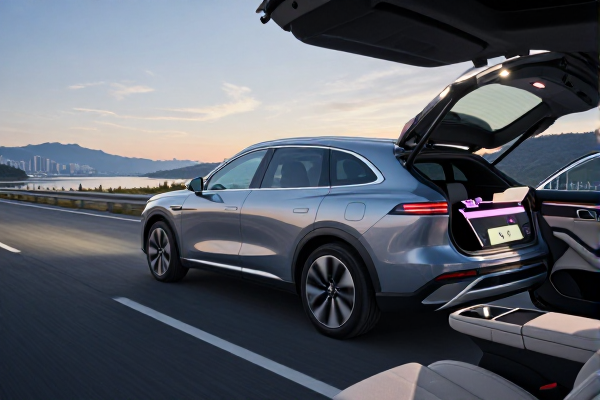
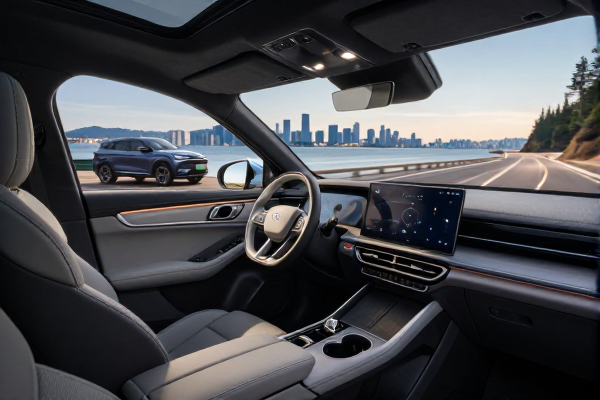
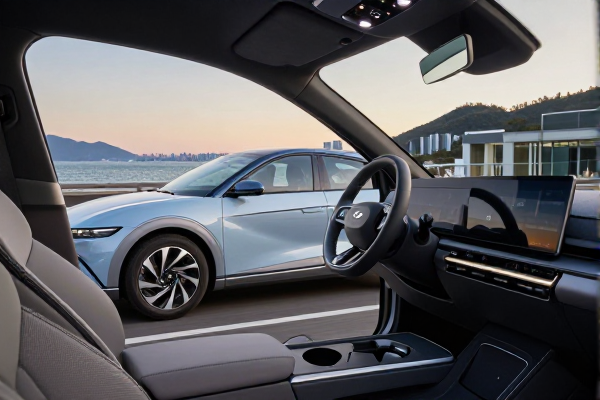
As of April 26, 2026, Vietnam’s hybrid car segment is entering a more crowded and price-competitive phase. Automakers are lining up new launches, showrooms are posting bigger discounts, and a new consumption tax regime is pulling hybrid prices down. The wider choice is good news for buyers, but it also makes the decision harder.
Social-media groups devoted to cars in Vietnam are now full of launch photos, price-comparison tables and dealership promos. The competition has become particularly intense in the hybrid segment as brands move beyond their usual gasoline-only lineups.
Vo Minh Luc, operations director at BYD Vietnam, said the company will introduce the Sealion 5 DM-i, a plug-in hybrid (PHEV), in October. There is no official price yet, but some showrooms are already signaling an expected price of below VND800 million ($30,800).
Rivals are also bringing in fresh metal. The Lexus ES 350h, Subaru Forester, Hyundai Tucson and Hyundai Palisade are among the models arriving this year, giving Vietnamese consumers a much wider mix of self-charging hybrids and plug-ins.
To handle the mounting pressure, dealerships are rolling out early-booking programs. Some advertise a discount of up to VND100 million ($3,850) for customers who place a refundable VND20 million ($770) deposit. The catch is that these promotional slots are limited, so the published discount often works only for the first few buyers.
The VND600 million–800 million ($23,100–30,800) bracket has quickly become the busiest part of the hybrid market.
| Model | Starting price (VND) |
|---|---|
| Suzuki XL7 Hybrid | 599.9 million |
| BYD Seal 5 PHEV | 696 million |
| Toyota Yaris Cross HEV | 765 million; around 728 million in promo |
| Honda HR-V e | 835 million |
| Toyota Corolla Cross HEV | 905 million |
| BYD Sealion 6 | 799–899 million |
| Kia Sportage Hybrid | 999 million–1.099 billion |
| Jaecoo J7 SHS-P / Geely EX5 EM-i | around 1 billion |
At roughly $23,100 for the Suzuki XL7 Hybrid, the entry point is now close to what many Vietnamese families would consider an upper-mid-range SUV. That would have been hard to imagine a few years ago, when hybrid technology was mostly limited to premium niches.
The bigger lineup does not mean the buying decision is simple. Hybrid versions are typically priced tens of millions of dong higher than comparable gasoline cars, and in some cases the premium exceeds VND100 million ($3,850).
The Honda CR-V e:HEV L, for example, costs VND1.17 billion ($45,000), about VND71 million ($2,730) more than the gasoline-powered CR-V L. The Civic e:HEV RS carries a price premium of roughly VND110 million ($4,230) over the standard RS.
Fuel savings matter, but they depend heavily on driving patterns. City drivers are the clearest winners: the electric motor helps during acceleration, and regenerative braking recovers energy in stop-and-go traffic. Someone who drives mostly on highways or only occasionally may never recover the upfront premium quickly enough to justify it.
Buyers are also taking a longer view. Battery life, warranty terms, dealer support and resale value are becoming bigger factors than the sticker price alone.
A major reason for the recent shift in prices is the special consumption tax. From January 1, 2026, eligible gasoline-electric hybrids are taxed at 70 percent of the rate applied to internal-combustion cars of the same type. That policy change has reduced the price of many hybrid models by tens to hundreds of millions of dong.
The tax break has changed how automakers talk about hybrid technology. Instead of presenting it as an expensive eco-option, they can now position it as a practical middle ground between conventional combustion cars and fully electric vehicles.
This is also a familiar dynamic for U.S. readers. American automakers have turned back to hybrids as demand for full EVs has cooled and charging infrastructure has grown unevenly. Vietnam’s experience shows how quickly tax incentives and better pricing can expand a hybrid market, even when consumers are still unsure about battery life and long-term ownership costs.
Japanese brands still hold an advantage in Vietnam because of their extensive dealer networks, readily available spare parts and more established used-car pricing. Toyota says new hybrid vehicles sold from 2026 can receive warranties of up to 10 years if owners meet the company’s conditions.
BYD is fighting on warranty terms as well. The Chinese brand offers an eight-year or 160,000-kilometer warranty on its batteries, which is meant to reassure buyers who worry about replacement costs.
Yet automakers know that the year-end race will not be decided by model count alone. The real price after promotions, delivery timelines, battery coverage and the ability to resell or trade in a car are decisive factors. A hybrid that looks cheap on paper can become a poor deal if the dealer cannot deliver it quickly or the used-car market treats it poorly.
Vietnamese buyers are better positioned now than they were a year ago. There are more models across more price points, and the tax break has forced several brands to sharpen their pricing. Even so, the market is likely to split between shoppers who see hybrids as a smart compromise and those who still want to see a longer track record for battery durability and resale.
The next few months will test whether the new wave of hybrids can sustain sales growth or simply turns into another crowded segment with heavy discounting. For buyers, the takeaway is straightforward: pay attention to on-the-road prices, warranty terms and driving habits before choosing between a hybrid and a gasoline model.