Browse

Log in / Register
 Share
Share
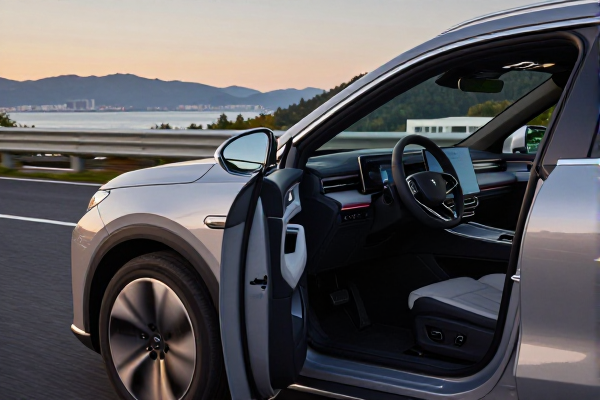
A stark new analysis reveals the heavy toll of air pollution from cars, trucks, and buses across the United States, linking it to tens of thousands of premature deaths annually. The findings, released on July 15, 2024, underscore a persistent and severe public health crisis rooted in the nation's transportation systems.
Research conducted by the International Council on Clean Transportation (ICCT), utilizing data from the Fédération Internationale de l'Automobile Foundation, estimates that emissions from road vehicles were responsible for more than 41,800 early deaths in the U.S. during 2024. This staggering figure translates to approximately five American lives lost every single hour due to health complications exacerbated by toxic vehicle pollution.
The health burden extends beyond mortality. The study identified a significant link between vehicle emissions and pediatric asthma, with the United States reporting more new childhood asthma cases connected to this type of pollution than any other nation last year. American children accounted for roughly ten percent of the global total of such new diagnoses, indicating a profound impact on the nation's youth.
Public health experts point out that the dangers of traffic-related pollution are not evenly distributed. Communities living near major roadways, schools, and commercial corridors bear a disproportionate share of the risk. The pollutants shape the very air residents breathe, leading to a cascade of negative outcomes including increased emergency room visits, significant numbers of missed school and work days, and the development of long-term respiratory and cardiovascular conditions.
Concern among the American public regarding environmental toxins is reaching new heights. A recent survey by the American Lung Association found that nearly half of all U.S. residents are living in areas with unhealthy levels of air pollution. This growing awareness is fueling public demand for more stringent federal regulations to curb emissions and protect community health.
The most direct pathway to mitigating this harm, according to the ICCT researchers, is an accelerated transition away from gasoline and diesel-powered vehicles. Modeling suggests that achieving zero emissions for all new cars, trucks, and buses by 2040 could prevent over 100,000 premature deaths and more than 42,000 childhood asthma cases by 2050, compared to current adoption rates.
However, progress toward this cleaner future faces significant political headwinds. The policy landscape has become inconsistent, with the Trump administration actively rolling back major federal environmental standards and taking steps to slow the adoption of electric and clean vehicles. Experts warn that such regulatory pullbacks could delay critical reductions in public exposure to harmful exhaust for years, locking in health consequences.
Exclusive Perspective: The Political Roadblock to Clean Air Beyond the scientific data, a key barrier to progress lies in the evolving political and regulatory climate. While many states and municipalities are pushing forward with ambitious clean transportation goals, federal policy under the current administration has created a patchwork of standards and uncertainty for automakers and consumers alike. This deceleration at the national level forces the burden of action onto local governments and heightens existing disparities, as not all states have the resources or political will to enforce stricter rules. The conflict between state-led initiatives and federal rollbacks is creating a fragmented approach to a national health emergency, potentially prolonging the timeline for meaningful improvement in air quality.
Large-scale improvement ultimately depends on decisive institutional action. Advocates and researchers emphasize the need for stronger nationwide emissions standards, accelerated electrification of public and private vehicle fleets, and enhanced local air quality monitoring to protect vulnerable populations. As Lingzhi Jin, a senior researcher at ICCT, stated, public health authorities cannot afford to overlook the direct impact of vehicle pollution on mortality and respiratory outcomes, especially when public concern is so pronounced.
The report serves as a urgent reminder that the choice of transportation technology has immediate and life-altering consequences for American health. The path forward requires a concerted effort to align policy, technology, and public interest to clear the air.