Browse

Log in / Register
 Share
Share
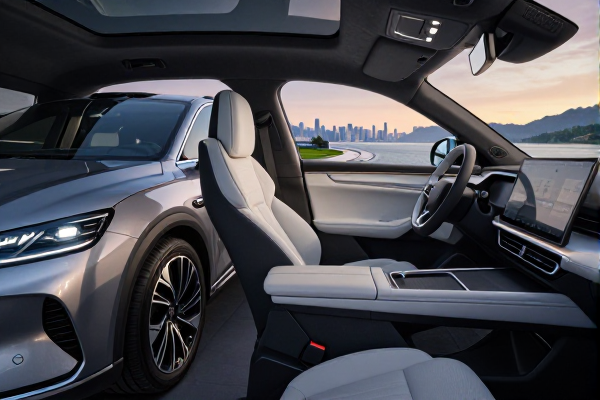
April 2025 – A growing chorus of driver complaints about blinding headlights has pushed US traffic safety regulators to revisit vehicle lighting standards. While no formal rulemaking has been published, multiple sources within the National Highway Traffic Safety Administration (NHTSA) indicate that the agency is evaluating caps on high-beam intensity, limits on color temperature (to prevent harsh blue-white glare), and mandatory auto-dimming features for new vehicles. The potential changes, expected to be proposed in a draft notice later this year, would align the US more closely with European and Asian standards that have already reduced glare-related accidents.
The movement is driven by data. According to a 2024 survey by the American Automobile Association (AAA), nearly 80% of US drivers say oncoming headlights are too bright, and 60% report being “temporarily blinded” at least once a week. NHTSA crash data shows that glare-related collisions—often at night or during dusk—have increased by 12% over the past five years. In response, consumer advocacy groups like the Center for Auto Safety have petitioned NHTSA to update its 50-year-old Federal Motor Vehicle Safety Standard (FMVSS) No. 108, which governs headlamps.
Though the specific language of the upcoming rule is still being drafted, NHTSA has signaled several areas of focus:
Motorcyclists, who are especially vulnerable to glare from SUVs and trucks, stand to benefit from the proposed caps. However, the rule would also impose new requirements on bikes themselves. New two-wheelers (model year 2027+) would need to have always-on low beams, but with a twist: the low beam must be set to a lower intensity than current standards, and high beams must automatically dim in the presence of oncoming traffic. This mirrors the “automatic high beam assist” already common on premium cars, but now mandated for motorcycles.
“The goal is to make bikes more visible without blinding other road users,” explains Dr. Laura Chen, a traffic safety researcher at the University of Michigan. “Current motorcycle headlights are often too bright for their low mounting height, creating a glare zone for car drivers. The lower intensity cap with auto-dimming would solve that.”
Automakers have expressed cautious support. The Alliance for Automotive Innovation, which represents major car manufacturers, issued a statement saying the industry “welcomes data-driven updates” but warned that “aggressive timelines could disrupt supply chains.” Aftermarket bulb manufacturers are likely to fight the color-temperature cap, which would make many popular LED upgrade kits non-compliant.
NHTSA plans to publish a Notice of Proposed Rulemaking (NPRM) by Q3 2025, followed by a 90-day public comment period. If finalized, the rules would apply to all vehicles sold in the US starting with model year 2028, with phased compliance for motorcycles and heavy trucks.
The US has long lagged behind Europe and Japan in headlight regulation. European vehicles have been required to use automatic headlamp leveling and washer systems for HID lights since 2000. Japan mandates low-beam at all times on all roads. The proposed US rules bring the country closer to the global standard, though some experts argue they don’t go far enough.
“The US should also consider mandating adaptive driving beams (ADB), which use camera-driven matrix LEDs to avoid glaring oncoming cars while keeping the road fully lit,” says John Barnes, a former NHTSA engineer. “ADB is already legal in the US since 2022, but few automakers offer it because of cost. A mandate could accelerate adoption.”
While the rules are still being written, drivers can take steps to reduce glare. Experts recommend keeping headlights properly aimed (many aftermarket lifts cause misalignment), using the “auto” setting rather than manually switching to high beam, and choosing bulbs with a color temperature of 4,000–5,000K. Motorcycl