Browse

Log in / Register
 Share

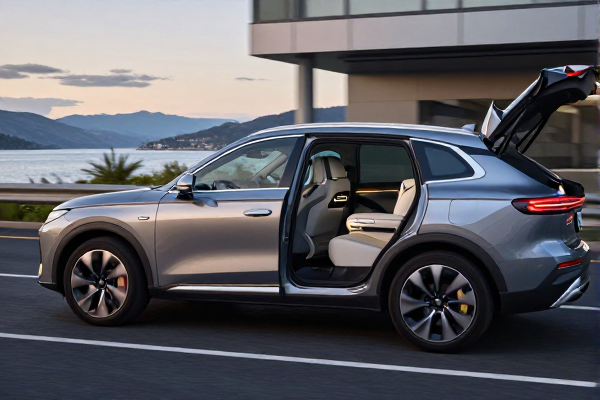
A UK utility tax change that took effect on October 1 is now showing clear winners: electric vehicle owners with driveways. As of May 10, 2026, analysis from clean-transport research firm New Automotive shows standard-tariff households can save around £27 per car each year after the VAT on domestic electricity was reduced from 5% to 0%. The policy is part of a wider government effort to ease the cost of living while accelerating the switch to zero-emission motoring.
Under the previous rate, home electricity used to charge an EV included 5% VAT. Now that the rate has been zeroed, the reduction cancels the entire value-added tax on the domestic portion of a charging bill. The cut applies to all residential electricity in the UK, so every home charger benefits, not just EV-specific devices.
But the scale of the saving varies by tariff type. According to New Automotive, the biggest beneficiaries are the 797,000 motorists who charge an electric car using a standard residential tariff. These households pay one price for electricity throughout the day, meaning the entire charging cost is subject to the lower VAT. On the basis of average annual EV energy use, the removal of the 5% charge is equal to about £27 per car per year.
Drivers on dedicated off-peak EV tariffs — the largest charging group, at 934,000 vehicles — will save less, roughly £13 per car per year. The reason is that these plans bundle most of the energy cost into a low off-peak unit price, leaving a smaller taxable base. A third group, using other home charging arrangements, falls in the middle with estimated annual savings of £21 per car.
The policy does not close the so-called driveway gap. Public rapid and destination chargers are classified as commercial electricity supplies, so VAT remains at 20%. Someone without off-street parking who depends on a public plug will pay five times more tax on their charging energy than a homeowner with a driveway. That means the economic advantage of driving electric is tilted further toward property owners who can install a private wallbox.
Automotive leaders welcomed the cut. Tanya Sinclair, CEO of Electric Vehicles UK, described it as a practical step that makes electric motoring cheaper for a large share of users. Robin Heap, CEO of home-charging network Zest, said the change is clearly good news for EV drivers with access to a driveway. Neither executive commented on the public-charger VAT issue, but the inconsistency is likely to remain a lobbying target for industry groups.
The VAT reduction is part of broader energy policy shifts in the UK. Alongside the tax change, the government has tightened emissions standards and accelerated spending on grid upgrades, both of which affect how quickly electric car adoption grows. New Automotive has previously argued that predictable running costs are central to customer confidence, and this move directly addresses one element of that.
From a consumer perspective, the exact saving depends on driving distance, charger brand, and background electricity price. The £27 headline is an average derived from typical UK EV mileage; heavier road users who charge almost exclusively at home on a standard tariff could save more, while light commuters will save less.
Industry observers recommend that owners check their existing electricity tariff before assuming they will save the full £27. Those on an off-peak EV plan will take home less, but may still be better off overall because their unit rate is lower. The biggest unknown is whether suppliers pass the complete 5% saving through to customers. In the UK, the reduction applies to the VAT portion of the bill, but some tariffs use a fixed daily standing charge that is unaffected; the energy portion determines the actual saving.
For normal households without an EV, the VAT cut also trims the cost of running appliances, heating, and other electrical devices. That broader benefit is why the announcement was framed as a cost-of-living measure. In practice, however, the most publicized number remains the £27 per-year figure for EV owners who charge inside their property.
Another way to view the change is through the lens of fuel-price parity. With gasoline prices volatile and diesel duties regularly debated, EV owners on a zero-VAT domestic tariff can now charge at a cost per mile that is often well below the price of conventional fuel. At the same time, high VAT on public rapid chargers undermines that parity for apartment dwellers and street parkers.
The final detail worth reading is that the VAT change is automatic; no rebate application is needed. Suppliers are legally required to apply 0% VAT to domestic electricity supplies, including the portion used for charging. Billing systems may still show a 5% line item during an interim period, but adjustments must be made for billing cycles beginning on or after the effective date.
Looking ahead, the removal of VAT on domestic energy is likely to breathe new life into home charger sales. Analysts at New Automotive point out that the saving is modest compared with the total annual running cost of an EV, but it is a clear signalling effect: governments can use the tax system to tip household budgets in favor of zero-emission vehicles. Whether the same logic will eventually be applied to public chargers is a separate policy question that is unlikely to disappear.
The move also changes the way commentators measure the total cost of ownership of an EV. Before October, the running-cost advantage over gasoline was already visible, but the remaining VAT was often used as evidence that the British tax system treated electric power like any other commodity. Now that domestic charging has a zero rating, the cost-per-mile gap narrows at home but widens at public stations, giving policymakers a sharper incentive to review the public rapid-charger market.
There is also a practical issue for multi-car households. The £27 saving is per car, so a two-EV family with two standard-tariff wallboxes can realistically expect to save more than £50 a year on charging tax. That may not sound large, but when combined with cheaper nighttime electricity or solar generation, it strengthens the case for a second electric vehicle as an everyday commuter car.
Finally, the symbolic power of a zero VAT rate should not be underestimated. In the UK’s often complicated tax code, removing VAT entirely from a category sends a clear signal that the technology is no longer considered a niche purchase. That signal is likely to be referenced in future advertising for home charging kits and in Treasury discussions about extending a preferential rate to public connectors.
In the meantime, the most reliable way to maximize the saving is still to charge at home if a driveway or garage is available. Drivers who can’t access off-street power will have to keep paying the standard 20% VAT at public stations, making the “driveway divide” an entrenched feature of UK electric-vehicle economics.