Browse

Log in / Register
 Share

Published: 16 June 2025
British ministers are quietly preparing a potential tariff package on Chinese electric vehicles (EVs), a move that could reshape the UK's trading relationship with Beijing and align London more closely with Brussels on trade policy. The Sunday Times reported that Business Secretary Jonathan Reynolds has been drafting options for levies on Chinese car imports, responding to long-standing concerns that state-subsidised manufacturers are flooding the British market with artificially cheap vehicles.
A government spokesperson stopped short of confirming the plan but told Reuters that no tariffs have yet been imposed. "We continue to engage closely with industry so that our approach reflects the sector's and UK's national interests," the spokesperson said.
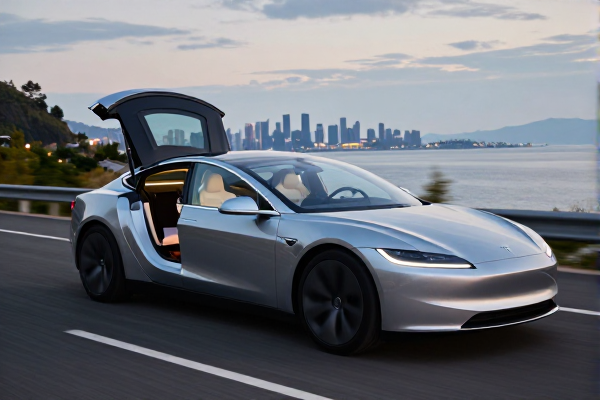
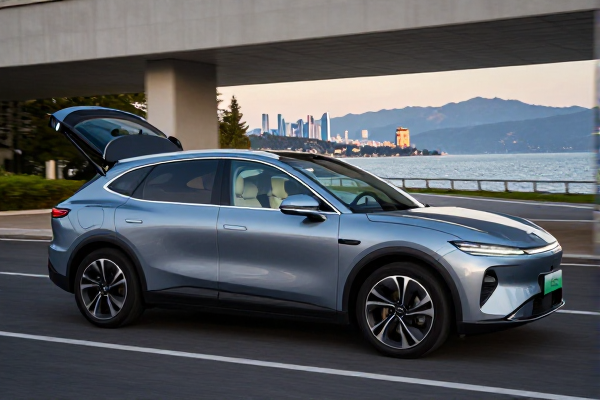
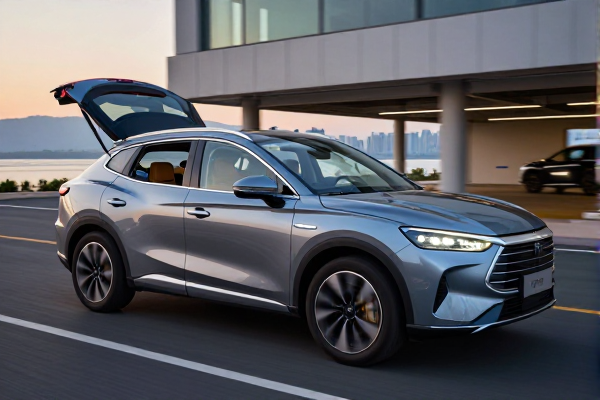
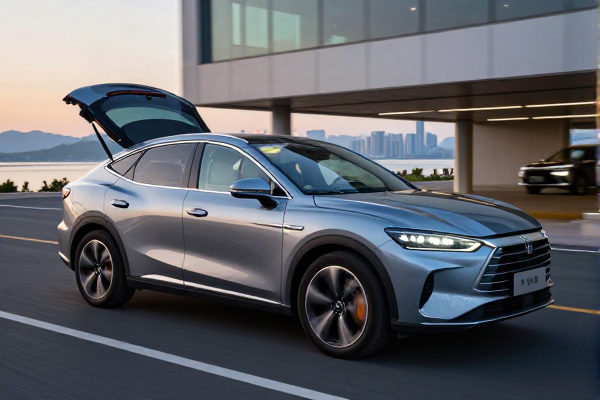
At the heart of the debate is a simple economic reality: Chinese EV makers have slashed prices aggressively, gaining significant market share across Europe. Brands like BYD, MG (owned by China's SAIC Motor), and Geely-controlled marques have expanded rapidly into the UK, offering electric models at price points that undercut domestic and European rivals by thousands of pounds.
Industry analysts argue that Chinese manufacturers benefit heavily from state support — direct subsidies, cheap credit, and controlled raw material access — giving them a structural cost advantage. European trade officials have called this "market-distorting"; the industry term of art is "dumping."
Ministers in London have therefore been weighing whether to follow Brussels, which has already imposed duties of up to 45% on Chinese EVs. The Times, citing government insiders, reported that UK officials are seriously contemplating aligning with that level — though no formal decision has been taken.
The stakes are higher than simple tariff maths. Under the EU's proposed "Made in Europe" framework, goods relying heavily on Chinese components could face restrictions when sold into the single market. This is a particular headache for British automakers — like Jaguar Land Rover and Nissan — whose supply chains and European operations would be hit with new compliance hurdles.
There is a genuine fear inside the UK car industry that if Britain does not align with EU trade policy, the bloc may effectively shift the border north, creating a two-tier system where UK-built cars lose preferential treatment in the EU. That would strike directly at the heart of British manufacturing exports.
This concern has been echoed publicly by Greater Manchester Mayor Andy Burnham, who last month said he would make the case for the UK to be treated as a "trusted partner" under the EU rules. Burnham warned bluntly that excluding Britain could damage the car industry.
For UK negotiators, the deeper problem is one of trust. The Financial Times reported in September 2024 that Brussels had explicitly urged then-Prime Minister Rishi Sunak's government to align more closely with EU trade policy — including raising tariffs on Chinese cars — if London wanted to avoid a hard "Made in Europe" landing.
Insiders say ministers are split. Some see EU alignment as the safest route, protecting UK supply chain access to Europe. Others, including influential voices in the Treasury, argue that the government should set tariffs based squarely on Britain's own national interest — and not automatically follow the EU's lead. One senior official told The Sunday Times that any tariff decision would be "sovereign," driven by what the UK economy actually needs.
New customs data, analysed by the Society of Motor Manufacturers and Traders (SMMT), shows that Chinese-built EVs accounted for nearly 30% of all UK battery-electric vehicle sales between January and May 2025 — almost double their share in 2023. That surge has sharpened calls for action from both domestic manufacturers and trade unions, who argue that unchecked imports could cost thousands of jobs in car plants across the Midlands and the North East.
Yet there is a counterargument, pressed by retail groups and some economists: tariffs on EVs would raise prices for consumers, complicate the government's net-zero transition targets, and potentially slow the UK's shift away from petrol vehicles. With the UK already lagging behind on EV adoption targets, protectionist measures may create more problems than they solve.
No timeline has been announced. The government's approach appears to be deliberate and consultative, engaging intensively with British automotive stakeholders — including Ford, Stellantis, BMW, and Toyota — to gauge how different tariff levels would affect exports, supply chains, and jobs.
What Europe does next will be a decisive factor. The EU's provisional tariff regime is subject to review, and Brussels may adjust its stance depending on outcomes in ongoing World Trade Organization consultations. If Brussels softens, London may find it easier to hold off. If Brussels tightens, the pressure for Britain to match will intensify.
For now, the official line from Downing Street is: no tariffs, no decision, close engagement. But the direction of travel is becoming unmistakable. Britain is positioning itself to respond — and the question of how to treat Chinese EVs will become a defining test of its post-Brexit trade doctrine.
The coming months will show whether Britain chooses an independent tariff path based on domestic industrial policy, or a Brussels-aligned one aimed at preserving frictionless access to European markets. Either way, the era of unrestricted Chinese EV imports into the UK appears to be drawing to a close.