Browse

Log in / Register
 Share

On May 12, 2025, the UAE's car rental sector is moving fast from the counter to the smartphone. Digital identity checks, in-app reservations, and phone-controlled vehicle access are replacing paperwork and long queues. For US travelers headed to Dubai or Abu Dhabi, this shift means less time at the airport and more flexibility on the road. Here's how the rental experience is being rebuilt.
The biggest change happens before travelers even reach the airport. Many UAE rental operators now let customers complete identity checks on a phone. The old routine—standing at a counter, handing over a passport, filling out forms—is giving way to digital document submission. Depending on the provider, users can upload passport pages, visa copies, or Emirates ID scans directly into the rental app.
UAE Pass, the country's national digital identity platform, is a key part of this for residents. It links government and private services, letting users verify who they are in a few taps. Visitors, meanwhile, can typically submit their travel documents through the rental platform itself. Either way, most of the paperwork that once required a counter visit is now handled remotely.
The payoff is clear. Bookings that used to take 20 minutes at a desk can be confirmed before landing. The app displays available models, insurance options, and deposit hold amounts, and issues a confirmation straight to the phone. For someone on a short layover, that's a significant difference.
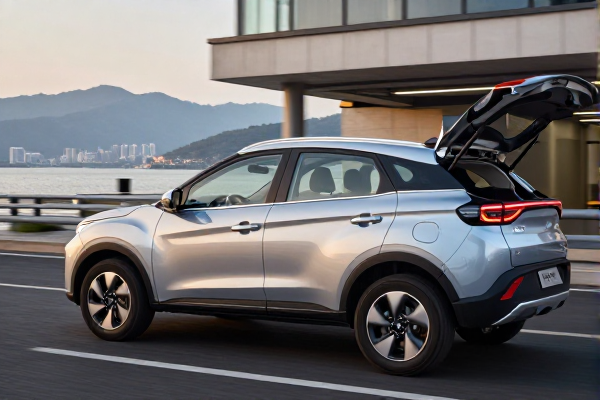
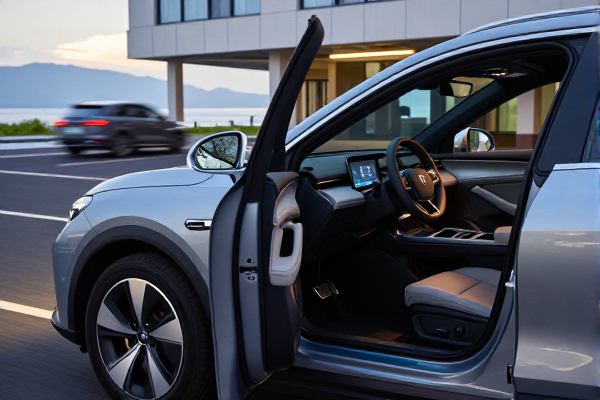
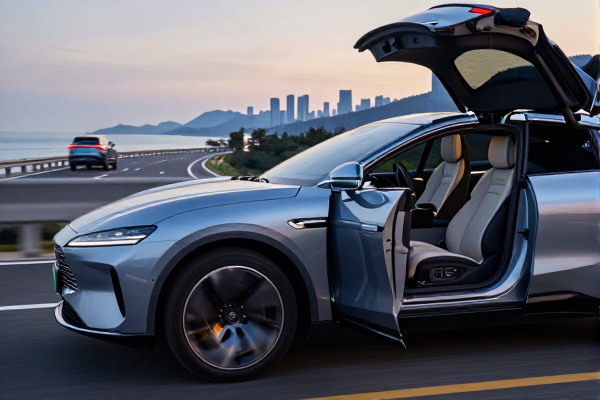
Contactless car handover is the next step, and it's spreading fast. Using Bluetooth and near-field communication, many UAE rental vehicles can now be unlocked with a smartphone instead of a physical key at a desk.
The flow is straightforward: after booking, the app directs the driver to the assigned parking space, sends the digital key, and the engine starts once inside. Returning the car works the same way—park, tap, and the rental is closed. No meeting point, no shuttle to a remote counter, no printed receipt.
This kind of access depends on reliable connectivity between the vehicle, the app, and the network underneath. When it works, it's a genuinely smoother experience. When something goes wrong—a dead phone battery, a weak signal in an underground garage—operators still need a backup plan, and most keep a help desk reachable in-app.
Not every fleet supports keyless pickup yet. The equipment has to be in the car, and the platform has to be integrated with it. But the direction is unmistakable. Off-airport pickup lots, where drivers open and return cars on their own, are becoming more common, and they save rental companies real money on retail space.
The same digital shift is transforming how rental companies run their vehicles. Live GPS tracking, for instance, is now standard in many UAE fleets. Operators can see where every car is at any given moment, which helps them coordinate roadside assistance, keep track of inventory, and respond quickly if a vehicle goes missing. In Dubai, the Roads and Transport Authority sets the rules for rental operations, so tracking also helps providers demonstrate compliance with fleet safety and licensing requirements.
Remote diagnostics take fleet management further. Connected systems monitor mileage, fuel levels, and engine condition. Maintenance teams can schedule service before a small problem becomes a breakdown, which means renters are less likely to end up with a car that dies on the highway.
Some providers also use telematics to understand driving behavior—speed, braking, acceleration. This information helps them manage risk, and in some cases, drivers who show safe habits can earn loyalty points or lower pricing. Data privacy considerations remain real; companies are expected to explain what they collect and how they protect it.
US renters will recognize much of this. Avis, Hertz, and Enterprise have spent years pushing mobile check-in, digital keys, and app-based service in the United States. The UAE version stands out mainly because of the country's wider digital foundation. A single national digital ID, aggressive 5G rollout, and highly concentrated urban area make it easier to deploy app-first rental operations consistently.
There's also a practical plus for American visitors: a valid US driver's license is generally enough to rent and drive in the UAE as a tourist. International driving permits aren't required for most rental agreements, although checking the latest RTA advice before travel is still wise.
A few tips for a smoother pickup:
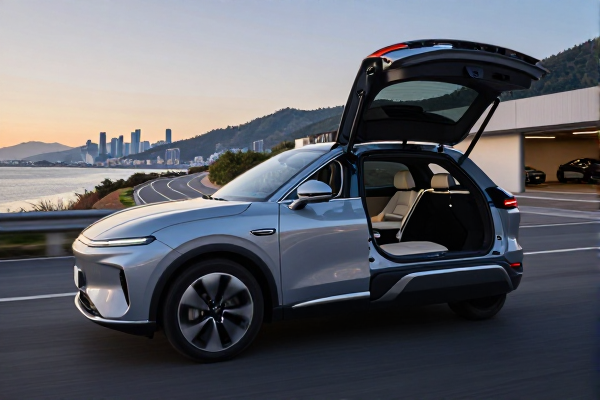
Electric vehicles are becoming easier to rent in the UAE, partly because the charging network keeps growing. Dubai's DEWA Green Charger programme has expanded the public network steadily, with charging points now installed at malls, hotels, and roadside stops across the city. More locations are being added through 2025.
For renters, an EV is a low-commitment way to test electric driving. The main homework is planning around range and charging stops. The Dubai-to-Abu Dhabi corridor, by far the most common route, is now reasonably well covered with fast chargers, so an EV rental works for most itineraries.
Rental platforms have caught on. Range estimates, battery state, and charger compatibility are now visible in many booking interfaces, taking some of the guesswork out of going electric.
As digital platforms move into fleet management, pricing is increasingly automated. Rental companies use demand forecasts, seasonal patterns, and event calendars—the Dubai Airshow alone can send rates climbing—to adjust prices in real time. That can mean better deals in off-peak weeks and higher charges when demand spikes. Booking early remains the single best tactic for keeping costs down.
Transparency is the flip side. Itemized pricing, clear disclosure of insurance and fuel policies, and visible deposit amounts are becoming priority features for consumers, and operators that hide the extras are paying for it in reviews.
Subscription plans are the newest twist on flexible access. Instead of a fixed lease or an outright purchase, UAE residents can now subscribe to a vehicle by the week or month, switching between models depending on their needs. Maintenance, insurance, and roadside assistance are typically rolled into one fee. It's a shift away from ownership that could fundamentally change how residents think about mobility.
Looking further out, UAE rental services will likely merge into a wider mobility ecosystem. Apps already connect ride-hailing, public transport, and car rental in some emirates. Over time, a traveler could plan a whole trip—flight, airport transfer, rental car, scooter—across a handful of services inside one app.
Autonomous vehicles are the wildcard. Dubai has made no secret of its ambitions for self-driving transport, and once autonomous taxis become viable, autonomous rental vehicles are a plausible next step. Realistic timelines, though, are set by regulation, infrastructure, and consumer trust rather than technology alone.
The UAE rental market is being rebuilt around the smartphone. Faster verification, keyless pickup, connected fleets, and algorithmic pricing are converging into an experience that behaves more like a rideshare app than a traditional rental desk. For US visitors, the gains are speed and transparency, two things that have always been scarce in rental cars. As these digital systems mature, the gap between the old rental model and the new one will keep widening.