Browse

Log in / Register
 Share

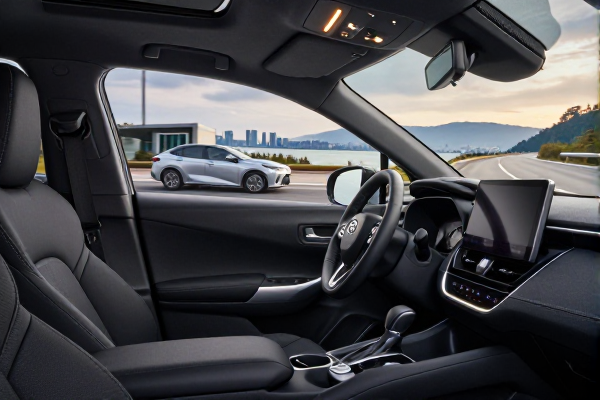
As of July 21, 2024, Toyota Motor Corporation confronts a critical juncture as its cautious approach to electric vehicles (EVs) allows Chinese rival BYD to close in on its long-held market leadership. This shift highlights broader industry trends, including rapid electrification and the growing influence of Chinese brands in global automotive markets, raising questions about Toyota's future competitiveness.
Toyota has built a reputation over decades for reliability and strong resale value, particularly with models like the Camry and RAV4, which have dominated family and SUV segments. In the United States, Toyota's hybrid technology, pioneered by the Prius, initially positioned it as an eco-friendly leader. However, the company's strategy has heavily favored hybrid powertrains over full battery-electric vehicles, relying on gradual consumer adoption. This incremental approach, while successful in maintaining sales, has left Toyota vulnerable as EV demand surges worldwide. Industry analysts note that Toyota's diversified powertrain portfolio, including hybrids and hydrogen fuel cells, may have diluted its focus on pure EVs, creating an innovation gap.
The global electric vehicle market has experienced explosive growth since the early 2020s, driven by government incentives, technological advancements, and increasing environmental awareness. In the U.S., EV sales have climbed steadily, with market share rising from under 5% in 2022 to over 10% in 2024, according to recent data from the International Energy Agency. This acceleration is fueled by federal tax credits, state-level rebates, and a expanding charging infrastructure. Unlike Toyota's measured transition, brands like Tesla and emerging Chinese manufacturers have aggressively capitalized on this trend, offering feature-rich EVs at competitive prices. The geopolitical landscape, including trade policies and supply chain shifts, has further accelerated the adoption of alternatives to traditional automakers.
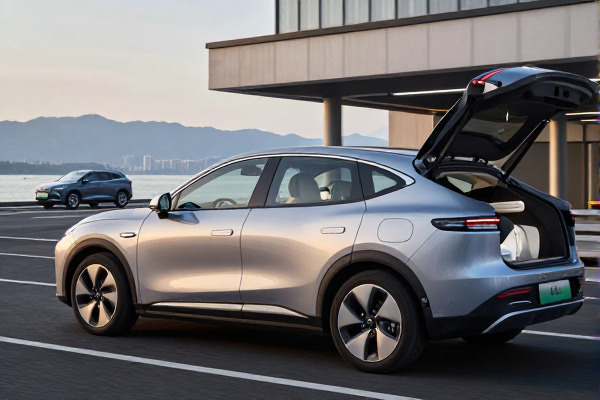
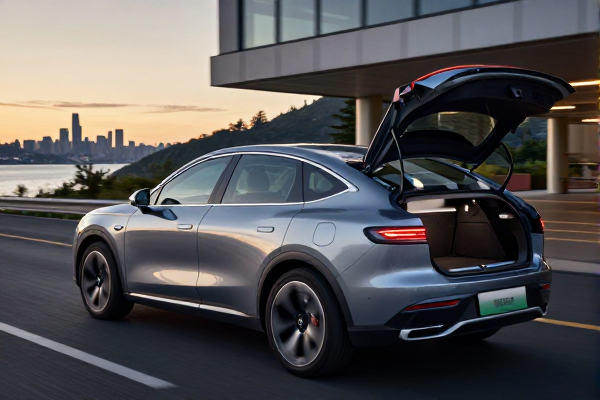
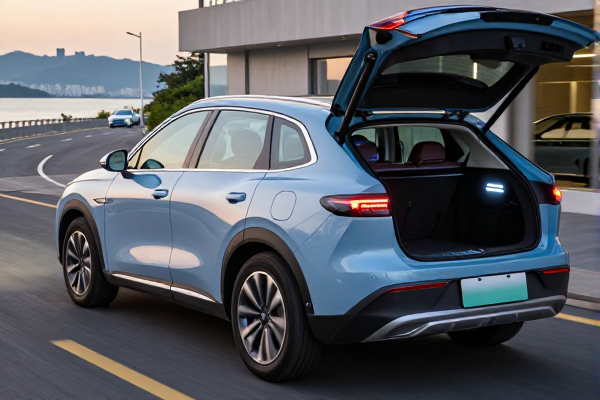
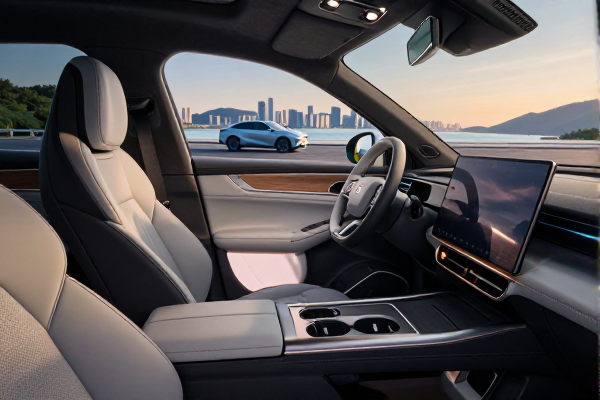
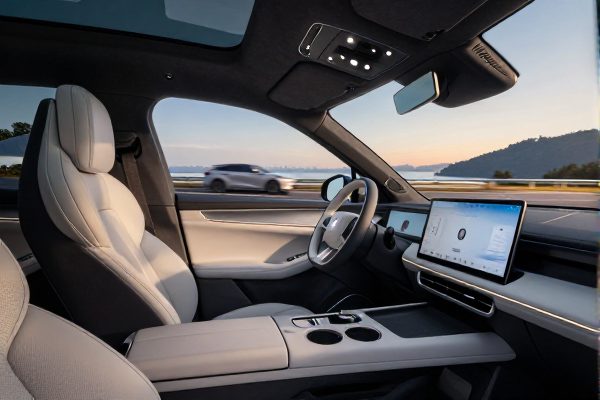
BYD, backed by Chinese manufacturing prowess and vertical integration, has emerged as a formidable challenger. Initially gaining traction in Asia and Europe, BYD has expanded into markets like Australia and is eyeing North America. The company's success stems from its ability to produce affordable EVs with advanced technology, such as long-range batteries and smart connectivity features. In June 2024, BYD reported global sales exceeding 300,000 units, with models like the Atto 3 gaining popularity for their value proposition. Exclusive industry reports suggest that BYD's vertical control over battery production, a key cost component, gives it a significant edge over competitors still reliant on external suppliers. This efficiency allows BYD to undercut rivals while maintaining profitability, posing a direct threat to Toyota's market share in regions beyond China.
Toyota's response to the EV revolution has been marked by delayed launches and conservative updates. For instance, the bZ4X, Toyota's first mass-market EV in the U.S., faced initial setbacks including recalls, which hampered its rollout. Meanwhile, models like the Land Cruiser have been slow to integrate modern features, such as wireless Apple CarPlay, which became standard in many vehicles years earlier. Critics argue that Toyota's reliance on customer demand to dictate the pace of change has backfired, as regulatory pressures and consumer preferences have shifted faster than anticipated. In contrast, BYD and other Chinese automakers have adopted a proactive stance, rapidly iterating on designs and leveraging government support to scale production.
The implications of Toyota's strategy extend beyond sales figures to brand perception and investor confidence. A recent analysis by automotive consultancy J.D. Power reveals that consumer trust in Toyota's innovation has waned among younger demographics, who prioritize sustainability and tech integration. This sentiment is echoed in stock market performance, where Toyota's shares have lagged behind pure-EV-focused companies in 2024. To regain momentum, Toyota has announced accelerated EV plans, aiming to launch 30 new battery-electric models by 2030, but execution risks remain high given supply chain constraints and intense competition. Industry experts caution that without a more aggressive pivot, Toyota could cede ground not only to BYD but also to legacy automakers like Ford and General Motors, which are ramping up their EV portfolios.
Looking ahead, the automotive industry's electrification trajectory suggests that Toyota must balance its hybrid heritage with a bold EV vision. Exclusive insights from a 2024 McKinsey report highlight that successful automakers will need to invest in software-defined vehicles, autonomous driving capabilities, and sustainable supply chains. BYD's rise underscores the importance of agility and cost efficiency, lessons that Toyota can apply by leveraging its manufacturing expertise and global network. For consumers, this competition may lead to more choices and lower prices, but for Toyota, the stakes are high as it navigates a transformative era. The coming years will test whether Toyota can adapt quickly enough to maintain its leadership or if its fumble in EV strategy becomes a cautionary tale in automotive history.