Browse

Log in / Register
 Share


August 20, 2026
Toyota’s EV problem has never been the car. It’s the company itself.
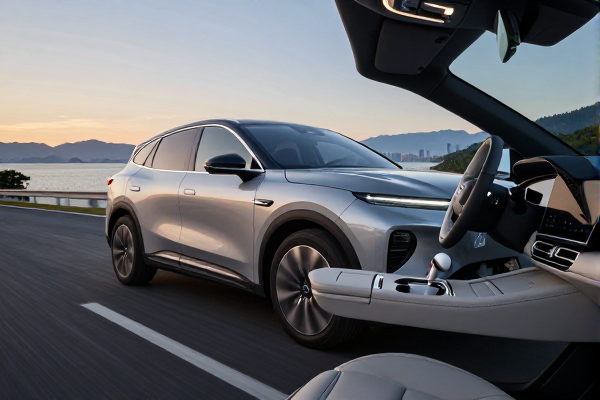
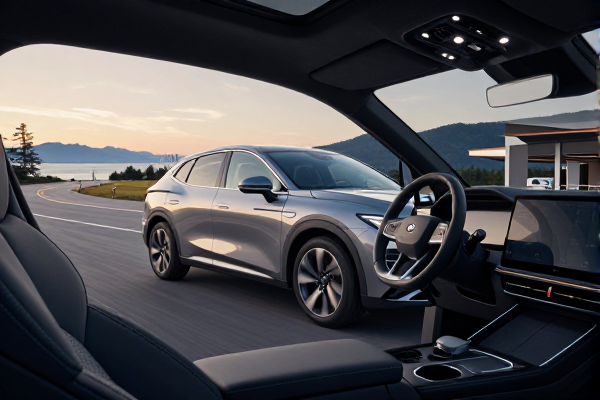
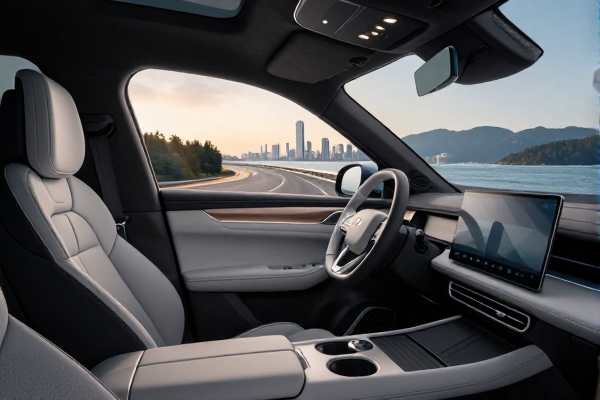
Take the bZ4X. The electric SUV is perfectly respectable. It isn’t the most exciting EV in its class, and nobody expected Toyota to produce a Tesla-fighting performance machine. But when the bZ4X arrived in Australia in 2024, it walked straight into a trap Toyota had spent years building: its executives had repeatedly told buyers that pure electric cars were impractical, expensive, and not the right answer. Then Toyota asked those same buyers to spend A$66,000 on one.
That contradiction helps explain why the bZ4X got off to such a slow start, and it remains the most interesting part of Toyota’s EV story. Range and price mattered, but so did something less measurable: what a brand says before it launches a product.
Toyota deserves credit for making hybrid cars mainstream. The RAV4 Hybrid, the Prius, and the Corolla Hybrid built a reputation for fuel-efficient and reliable electrification. But when it came to battery-electric vehicles, Toyota’s leadership was skeptical in public, and that skepticism lasted longer than it should have.
Years before the bZ4X launch, Sean Hanley, then Toyota Australia’s vice president of sales and marketing, made the company’s position clear. He called pure EVs “impractical,” suggested hybrids could have a greater impact than full electrification, and in 2019 said there were no plans to bring an EV to Australia at all.
“I always get concerned when pure electric vehicles turn up at fairly big prices, and people instantly think people will buy them and they’ll take off,” Hanley told reporters back then.
“But if there’s one thing I’ve learned on the hybrid journey it’s that they have to be affordable. I get frustrated when people say electrification isn’t being taken up in Australia as quickly as it should be. Well, who is going to buy these small cars for $50,000?”
That was a fair question in 2019. Early EVs were expensive, charging infrastructure was thin, and a $50,000 small EV was never going to be an overnight success. But Toyota kept drawing that conclusion well after the market started moving. The message became part of the brand’s identity, and when the bZ4X finally landed, Toyota was asking customers to ignore a belief it had spent years encouraging.
The first bZ4X did not fail because it was a bad car. It failed because it was late, expensive, and not impressive enough on range or charging speed. It also landed at a moment when Chinese EV makers were arriving with more equipment for less money, and Tesla was still the default choice for buyers looking for a mainstream electric SUV.
In Australia, the numbers were brutal. Toyota sold 1,041 bZ4X units during all of 2025. The Tesla Model Y sold 22,239 units in the same period. That is not a small gap. That is the kind of gap that makes a boardroom take notice.
The bZ4X did not have to out-sell the Model Y to be considered a success, but it needed to be competitive. It wasn’t, and the reasons went beyond specs. Buyers who had trusted Toyota’s hybrid message for years had been told, in various ways, that they did not need a plug. When the bZ4X arrived, many of them simply had no reason to switch.
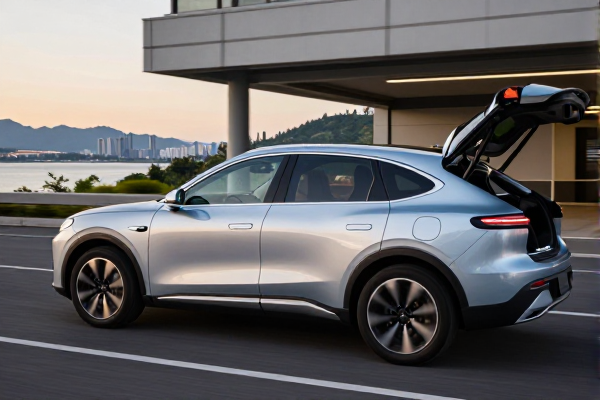
The good news for Toyota is that things are changing. Since the launch of the updated bZ4X, sales have improved noticeably. According to Toyota’s own figures, Australian bZ4X sales during the first seven months of 2026 have already doubled the brand’s entire 2025 EV total. The addition of the bZ4X Touring, a more practical wagon-like version, has given the lineup a clear boost.
John Pappas, Toyota Australia’s new vice president of sales and marketing, made the point at the Touring launch.
“The bZ4X is, from a value point of view, compared to the previous one, you can see that sort of step up,” Pappas said.
“Now what we’re seeing is, we just launched bZ4X Touring, we’re already seeing that the normal increased run rate of the bZ with the Touring has literally doubled the run rate of the family.”
Toyota is also starting to build a proper EV family. The electric C-HR is scheduled to arrive around the middle of 2027. The HiLux BEV, which is aimed at mining companies but technically available to anyone, adds another option. The lineup is no longer a single-vehicle experiment.
What matters most, though, is that Toyota has stopped publicly treating EVs like a mistake. The tone has changed. The advertising is more visible. The executives are no longer telling customers to stay away.
One thing Toyota can do that most EV startups cannot: put a customer in front of a real dealer, with a real service bay, and offer a purchase experience that feels familiar.
Toyota’s dealership network is one of the deepest in the world, and that matters when someone is spending a serious amount of money on a new car. Buyers want reassurance. They want to know that if something breaks, they can get parts and service without a cross-country trip. Toyota has that coverage, and almost no new EV brand can match it.
The challenge is that Toyota’s dealer network was built around hybrid and combustion vehicles. The trust is real, but it does not automatically transfer to an EV. Customers who trust Toyota’s hybrids may see the bZ4X as a side project, not the next step in the story. Toyota has to convince them otherwise.
Toyota no longer needs to prove that EVs exist. The bZ4X exists, the Touring exists, the C-HR is coming, and the company is finally investing in marketing. The next job is harder: Toyota has to convince its own loyal customers that it cares about battery-electric cars the same way it cared about hybrids.
That means continuing to improve value. It means making the bZ4X more competitive on range and price with every update. It means giving dealers the training and inventory they need to sell EVs confidently. And it means not letting old comments from executives linger in the public memory long enough to make the next launch another credibility fight.
Toyota was late to the EV conversation, and it knows it. But the market is not static, and the bZ4X is now selling better than it did at launch. The brand still trails Tesla, BYD, and many legacy rivals, but it is finally moving in the right direction.
Don’t count Toyota out yet. Just don’t expect its customers to forget the message it spent years delivering.