Browse

Log in / Register
 Share

In the late 1990s, General Motors unveiled a concept that stole the show and then vanished from the public eye: the Chevrolet Nomad. This retro-modern wagon, a spiritual successor to the iconic 1950s model, generated immense excitement among enthusiasts and media alike. Yet, despite its acclaim, it never transitioned from show car to showroom. As of May 16, 2024, the story of the Nomad concept remains a compelling "what if" in automotive history, highlighting the complex interplay of design ambition, corporate strategy, and market realities that determine which cars we drive.
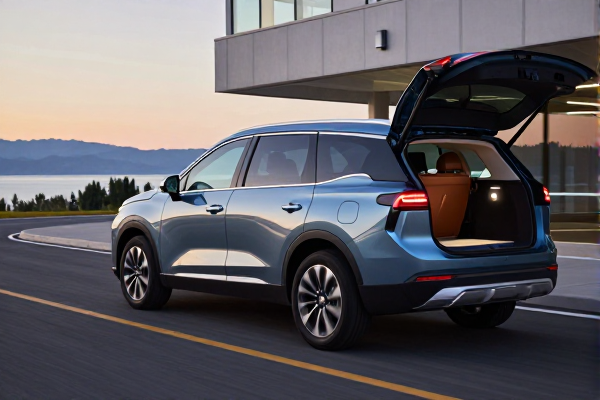
The 1999 Chevy Nomad concept was a masterclass in blending nostalgia with forward-thinking design. Based on the contemporary Chevrolet Corvette's platform and rear-wheel-drive architecture, it promised sports car performance in a practical, stylish package. Its most striking feature was the two-piece rear glass and a wraparound rear hatch, a direct homage to the original Nomad but executed with modern flair. The interior was equally ambitious, featuring modular, waterproof seats and a minimalist cockpit focused on driving engagement. This was not merely a styling exercise; it was a fully functional prototype meant to gauge public reaction and showcase GM's design capabilities during an era of resurgence.
So, why did such a widely praised concept get shelved? The decision was multifaceted, rooted in the harsh economics of automobile production. First, the late '90s and early 2000s market was dominated by SUVs and trucks. A niche, performance-oriented wagon, even one with the Corvette's bones, was deemed a risky financial venture. Second, insiders suggest that while the design was celebrated, integrating its unique features—like the complex rear hatch system—into high-volume, cost-effective manufacturing posed significant engineering challenges. The projected cost per unit would have placed it in a competitive segment with established European sports wagons, a battle GM was not prepared to wage at the time.
Beyond market timing, the Nomad fell victim to internal shifts within General Motors. The early 2000s were a period of consolidation and brand restructuring for the automaker. Resources were increasingly funneled into high-margin trucks and the development of new SUV lines. Passionate projects like the Nomad, which sat outside these core business units, often struggled for funding and executive sponsorship. According to a former GM designer who spoke on background, "There was a lot of love for the Nomad in the studio, but when it came to the product planning meetings, the business case just couldn't close. The sentiment was, 'It's a beautiful halo car, but who will buy it in enough numbers?'"
The legacy of the Nomad concept is perhaps more significant than if it had seen limited production. It became a benchmark for how to execute a "retro-futurist" design without resorting to pastiche. Its influence can be seen in later vehicles that successfully blended heritage with modern lines. Furthermore, the concept car has attained a cult status among collectors and GM enthusiasts. Its occasional appearances at prestigious auctions and car shows command significant attention, with values for the few existing show models reaching into the high six figures, a testament to its enduring desirability.
Today, the question isn't whether GM will revive the Nomad nameplate—recent trademark filings suggest the name is kept active—but what form a modern interpretation would take. In the era of electric vehicles, a performance EV wagon could be the perfect canvas for a Nomad revival, combining practicality with instant torque and a bold design statement. The original concept's story serves as a crucial lesson: even the most brilliant designs must navigate the intricate maze of corporate strategy, cost, and consumer trends. The Chevy Nomad concept remains a beautiful footnote, a reminder of the roads not taken and the enduring power of great automotive design.