Browse

Log in / Register
 Share

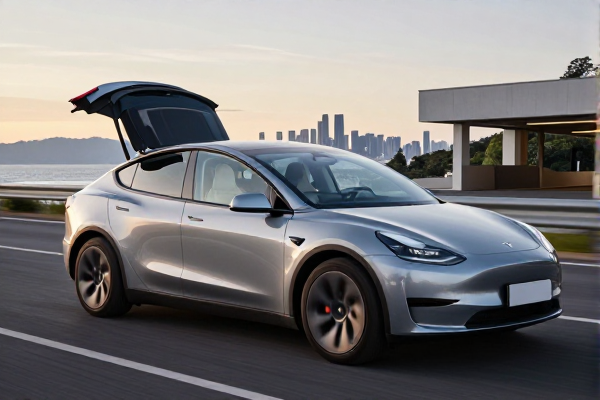
On July 15, 2024, a new lawsuit filed against Tesla alleges that a vehicle configured to the "Insane" acceleration mode during a test drive became uncontrollable and crashed into a building. This incident adds to a growing wave of legal challenges targeting Tesla's high-performance settings and the company's duty to warn potential buyers about the risks of extreme acceleration, particularly for inexperienced drivers.
According to court documents reported by The Independent, the crash occurred when a prospective buyer was test-driving a Tesla with the "Insane" mode activated—a factory-set acceleration profile designed to deliver near-instantaneous power. The complaint states that the driver lost control after the vehicle surged forward unexpectedly, leading to a collision with a building before coming to a stop. Tesla is named as the defendant in the suit, which claims the automaker bears responsibility for the incident, though the company has not yet issued a public response to these specific allegations.
Tesla's "Insane" mode, first introduced on the Model S P85D, maximizes the electric powertrain's output to achieve rapid acceleration, such as going from zero to 60 miles per hour in approximately three seconds. This feature was later supplemented by "Ludicrous" mode, which further reduces acceleration times to under 2.5 seconds in some variants. Both settings have been central to Tesla's marketing strategy, positioning its vehicles as offering track-level performance on demand. The casual, evocative names like "Insane" and "Ludicrous" are deliberately chosen to highlight speed, but they have also drawn scrutiny for potentially downplaying safety risks.
This latest test drive lawsuit introduces a unique legal angle by focusing on the risks faced by first-time drivers. Plaintiff attorneys argue that prospective buyers, unfamiliar with the car's acceleration characteristics, may be exposed to heightened dangers compared to experienced owners. This distinction could form the basis for claims of negligent entrustment or failure to warn, depending on the specifics of the test drive briefing and vehicle data logs, which Tesla often cites in its defense. The outcome may hinge on evidence related to throttle inputs, driver behavior, and any safety warnings provided beforehand.
Tesla has a history of litigation over its performance settings. In 2016, 126 Norwegian Tesla owners sued the company over alleged false advertising of "Insane" mode's horsepower figures, though Tesla disputed the claims, citing independent test results. More recently, a 2025 wrongful death lawsuit in Washington state involved a Model 3 that allegedly accelerated uncontrollably into a utility pole, resulting in a fatal fire; Tesla denied design defects were to blame. These cases are part of a broader pattern where plaintiffs cite sudden acceleration as a cause of crashes, challenging Tesla's safety protocols and disclosure practices.
Adding to the context, Tesla's legal landscape extends beyond acceleration issues. The automaker faces active litigation over Autopilot and Full Self-Driving (FSD) technology crashes, door design defects linked to wrongful death cases, and shareholder suits over robotaxi disclosures. In 2026, a jury awarded $329 million in a separate deadly crash case, underscoring the financial stakes of Tesla's mounting legal docket. The company typically contests such cases aggressively, using vehicle data to argue driver error rather than mechanical or software flaws, and has settled some while winning others.
Exclusive insight from recent industry reports highlights a trend in electric vehicle acceleration-related incidents. According to a 2024 analysis by the Insurance Institute for Highway Safety (IIHS), high-performance EVs like Tesla's may pose unique risks for novice drivers due to instant torque and powerful acceleration modes. The report suggests that manufacturers could enhance safety by implementing graduated access to performance settings or more robust driver training during test drives. This perspective adds weight to the lawsuit's claims about inadequate warnings for first-time users.
Tesla's response to such legal challenges often involves leveraging its vehicle data logs, which record detailed information on driving behavior. In past cases, the company has used this data to refute claims of defects, pointing to driver actions like pedal misapplication. However, critics argue that Tesla's marketing of extreme acceleration could create unrealistic expectations, especially during test drives where buyers may not be fully prepared for the vehicle's capabilities. The new lawsuit may test whether courts find Tesla's disclosures sufficient or if stricter warnings are needed.
The broader implications of this case extend to consumer safety and regulatory oversight. The National Highway Traffic Safety Administration (NHTSA) has been investigating Tesla's FSD-related crashes, upgrading a probe to a formal engineering analysis covering an estimated 3.2 million vehicles. While this focuses on autonomous features, it reflects increasing scrutiny of Tesla's overall safety practices. If the "Insane" mode lawsuit succeeds, it could prompt other automakers to reevaluate how they market and demonstrate high-performance features to potential buyers.
In conclusion, the Tesla "Insane" mode test drive lawsuit underscores ongoing tensions between innovation and safety in the electric vehicle industry. As Tesla continues to promote its cars with bold performance claims, legal battles over acceleration risks are likely to persist. The outcome of this case could influence future regulations and manufacturer responsibilities, particularly regarding how extreme driving modes are presented to consumers during sales interactions. For now, all eyes are on the court proceedings and Tesla's next move in addressing these allegations.