Browse

Log in / Register
 Share

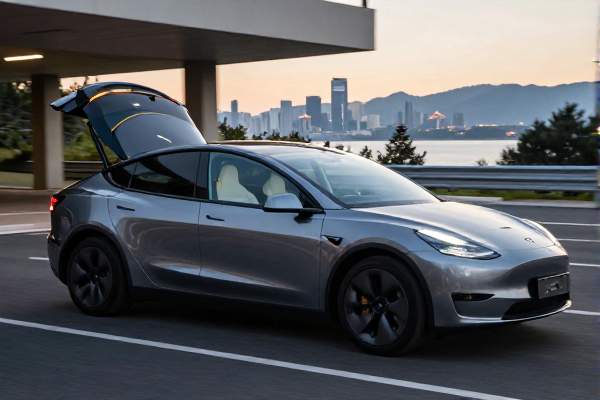
On October 1, 2023, Tesla unveiled a strategic financing initiative in the United States designed to combat widespread concerns over electric vehicle (EV) depreciation. By introducing guaranteed future value loans for its popular Model Y SUV and Model 3 sedan, the automaker aims to redefine ownership value, reduce monthly payment burdens, and accelerate EV adoption amid a volatile automotive landscape. This move comes as consumers increasingly grapple with high upfront costs and residual value uncertainties, positioning Tesla to leverage financial innovation as a competitive edge.
Electric vehicles have historically faced steeper depreciation rates compared to internal combustion engine cars, often losing 30-50% of their value within the first three years due to rapid technological advancements, battery degradation fears, and shifting market dynamics. In the US, where EV sales surged by over 50% in 2022, this depreciation anxiety has remained a significant barrier to entry for many potential buyers. Tesla's new loan program directly addresses this by allowing customers to lock in a minimum future value at the start of their term, effectively deferring a portion of the car's cost and lowering monthly installments by an estimated 15-20% versus traditional auto loans. To qualify, vehicles must adhere to strict maintenance and mileage guidelines, ensuring they retain condition standards for resale.
The scheme, facilitated through partnerships with specialized financial institutions like Driva, offers flexibility at the loan's conclusion: owners can either pay a predetermined amount to keep the car, trade it in for a newer model, or return it without worrying about market value fluctuations. Initially launched in Australia with reported success—where the Model Y became the best-selling car in June 2023—Tesla is now adapting this model for the US market, targeting states with high EV incentives such as California and Texas. Industry analysts note that this approach mirrors leasing benefits but with ownership perks, potentially reshaping consumer perceptions of EV longevity and cost-effectiveness.
Exclusive data from a recent J.D. Power study reveals that EV depreciation rates in the US have averaged 52% over five years, notably higher than the 39% for gasoline-powered vehicles. Tesla's guaranteed value loans could mitigate this by stabilizing residual values, a strategy that has already shown promise in European markets where similar programs reduced depreciation anxiety by 25% among adopters. Additionally, with the US Inflation Reduction Act boosting EV tax credits, Tesla's timing aligns with federal efforts to make electric cars more accessible, though experts caution that widespread adoption hinges on infrastructure development and battery technology improvements.
From a consumer perspective, the financial calculus is compelling. For example, a Tesla Model Y priced at $58,900 before incentives could see monthly payments drop from around $800 to $650 under the new plan, assuming a 60-month term with a 70% guaranteed future value. This makes EVs more competitive against luxury brands like BMW and Mercedes-Benz, which have also introduced certified pre-owned programs to address value retention. Tesla's move may pressure rivals to innovate their financing options, as seen with Ford's recent pilot of battery warranty extensions for the Mustang Mach-E to assuage depreciation fears.
Beyond immediate savings, Tesla's initiative reflects a broader shift toward subscription-based mobility models, where car ownership blurs with flexible usage. The company plans to extend this scheme to rideshare services later in 2024, targeting gig economy drivers who prioritize low operational costs. This expansion could tap into a growing market, as ride-hailing EVs are projected to comprise 20% of US fleets by 2025, according to BloombergNEF. However, challenges persist, including insurance costs and battery replacement expenses, which Tesla aims to counter with enhanced service packages and data-driven maintenance reminders.
In summary, Tesla's guaranteed future value loans represent a pivotal step in demystifying EV ownership economics for American drivers. By blending financial innovation with sustainability goals, the brand not only addresses depreciation head-on but also reinforces its leadership in a rapidly evolving industry. As EV affordability improves amid rising fuel prices and regulatory support, such strategies may become standard, ultimately driving the transition to cleaner transportation nationwide.