Browse

Log in / Register
 Share

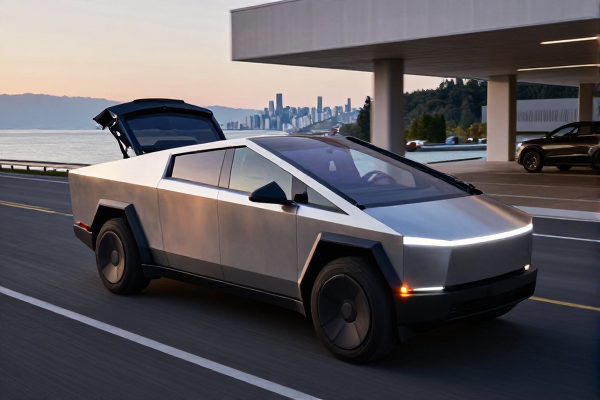
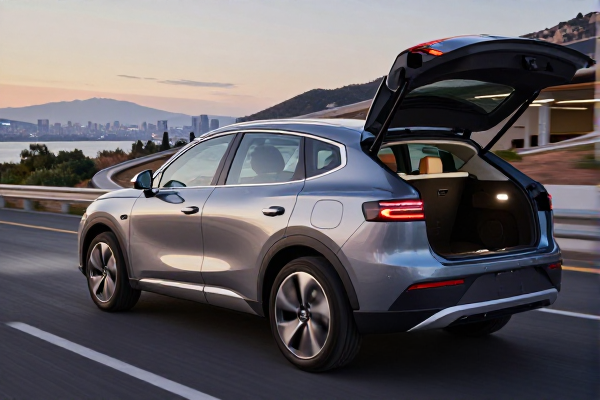
July 22, 2024 — Tesla has taken a significant step in connecting its autonomous future to the stars, revealing that its upcoming Cybercab is equipped with an integrated Starlink satellite system. This marks a pivotal hardware integration for the windowless, two-seat Robotaxi, designed from the ground up without a steering wheel or pedals. The move directly ties Tesla's terrestrial mobility ambitions to Elon Musk's orbital connectivity network, aiming to ensure seamless operation for its planned fleet.
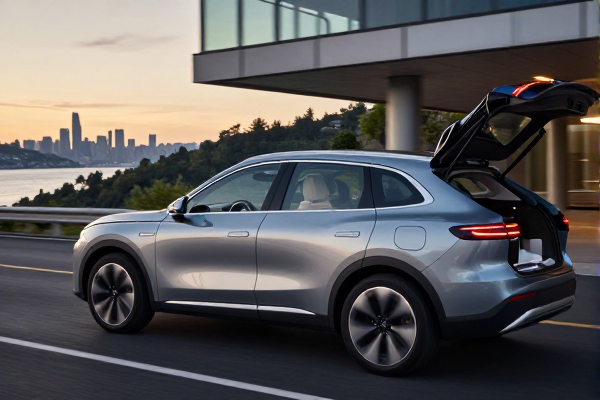
The rectangular Starlink antenna is embedded into the vehicle's rear hatchback design. According to Ashok Elluswamy, Tesla's head of AI software, the system will serve critical functions for the commercial service. "It is primarily meant for navigation, customer service and, in general, fleet management," he stated. This suggests Starlink will provide a robust, global data backbone beyond the reach of traditional cellular networks, crucial for real-time routing updates, remote diagnostics, and passenger communication in areas with poor 5G coverage.
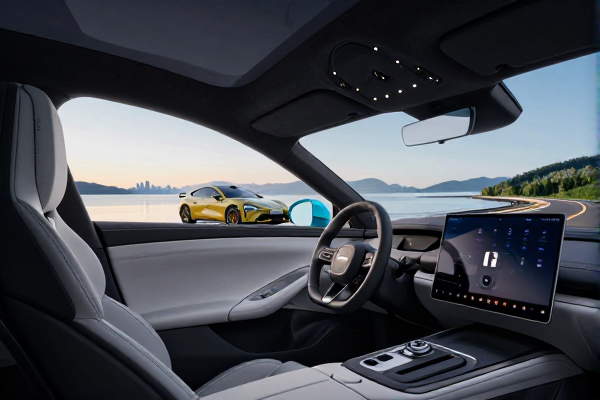
Beyond the satellite link, the Cybercab is a sensor-packed platform. Tesla has equipped it with a separate GPS module, a 5G LTE antenna in the roof, and a suite of eight external cameras providing a 360-degree view for its Full Self-Driving (FSD) software. An additional interior camera monitors the cabin, highlighting the vehicle's focus on autonomous operation and passenger oversight rather than driver control. This sensor fusion is intended to create a redundant and reliable perception system for dense urban environments.
Production of the Cybercab is now in the pre-production phase at Tesla's Giga Texas factory in Austin. The company is already testing several prototypes within its proprietary Robotaxi ride-hailing service in the city. Public trials for the Robotaxi network, though currently conducted primarily using Model Y vehicles, are also expanding in Dallas, Houston, and Miami. The timing of the Starlink disclosure, just ahead of Tesla's Q2 2024 earnings call, signals a readiness to update investors on the tangible progress of both the Cybercab and the broader Robotaxi initiative.
The integration points to a deepening synergy between Tesla and other Musk-led ventures. Starlink is operated by SpaceX, which recently saw its AI-focused sibling, SpaceXAI, go public in June. Notably, SpaceXAI's Grok AI assistant is already being integrated into Tesla's consumer vehicles. Many industry analysts foresee increasing convergence between these entities, with Starlink's low-earth-orbit satellites providing the high-bandwidth, low-latency data pipeline essential for managing a global, autonomous fleet—a capability terrestrial networks cannot yet guarantee everywhere.
A more immediate and dramatic collaboration is on the horizon for Tesla's flagship sports car. Elon Musk has confirmed that the long-awaited next-generation Tesla Roadster, originally unveiled in 2017, is slated for a reveal this year. In a groundbreaking move, it will be offered with an optional "SpaceX package," featuring cold gas thrusters. This technology, adapted from aerospace engineering, is promised to dramatically enhance acceleration and even enable the car to hover briefly. Musk has teased a "mind-blowing" demonstration, though a firm date remains unannounced.
This strategic weaving of SpaceX technology into Tesla's roadmap does more than add features; it potentially creates an unassailable ecosystem. As noted by analysts at TechNode, "Tesla is no longer just building cars; it's building a vertically integrated mobility platform. The car is the node, FSD is the brain, and Starlink is the central nervous system connecting it all." This approach could pose a significant challenge to competitors who must rely on third-party networks and mapping services, giving Tesla control over the entire data and operational chain from space to street.