Browse

Log in / Register
 Share

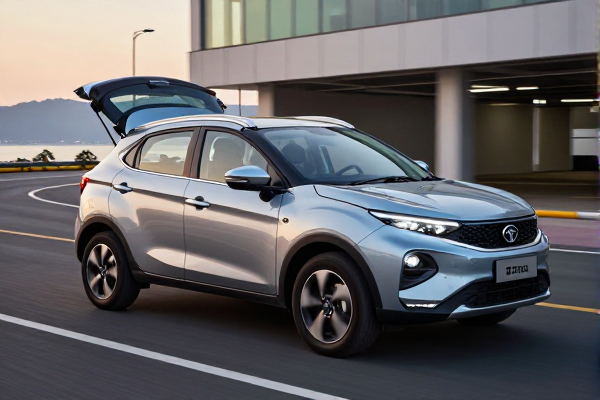
Tata Motors is preparing to roll out the facelifted Tigor sedan in India, and the updates are shaping up to be more than just a nip and tuck. While the company hasn’t locked in an official release date, industry sources indicate the refreshed model could hit showrooms in the coming weeks, just in time for the festive season. The facelift borrows heavily from the Tiago hatchback’s recent makeover, but Tata is giving the Tigor its own identity with unique bumper treatments and a sharper overall look. As of July 2025, the current-generation Tigor has been struggling in sales—only 602 units moved in June—so the timing of this update is critical for Tata to regain traction in the compact sedan segment.
A More Aggressive Face for the Tigor
The design patent Tata filed back in June 2024 gave us a sneak peek of what’s coming. The new Tigor will feature slimmer headlamps with integrated daytime running lights, connected by a glossy black trim—similar to the Tiago facelift. But the bumper is where the Tigor differentiates itself. Expect a wider, more sculpted lower intake with vertical and horizontal elements that give the front end a tougher stance. The side profile remains largely unchanged, though new alloy wheel designs are likely. A 360-degree camera system could debut on higher trims, with cameras embedded in the ORVMs.
Around back, the tail lamps get a revised shape, linked by a dark trim strip, and the rear bumper is also refreshed. Overall, the changes keep the Tigor recognizable but push it toward a more modern, assertive look—without a complete redesign.
Cabin Gets a Tech Overhaul
Inside, the biggest upgrade is the infotainment screen. The new Tigor will adopt the 10.25-inch touchscreen from the Tiago facelift, a significant step up from the current 7-inch unit. Wireless Android Auto and Apple CarPlay come standard, along with a new digital instrument cluster. The steering wheel is redesigned, and a wireless charging pad is expected. Additional convenience features include Type-C USB ports and auto-folding ORVMs.
Safety is a major focus. Tata is expected to make six airbags standard across the range, bringing the Tigor in line with India’s upcoming safety norms. Higher variants may also get the 360-degree camera system, electronic stability control, and rear parking sensors. These upgrades could be a strong selling point, especially for families.
Powertrain: Familiar Engines, Potential Paddle Shifters
Under the hood, the petrol version retains the 1.2-liter naturally aspirated engine producing 84 bhp and 113 Nm of torque. It mates with a 5-speed manual or a 5-speed AMT. The factory-fitted CNG option also carries over, with 74 bhp and 96.5 Nm. The big news? The AMT variant might finally get paddle shifters, a feature that would make the automated manual more engaging to drive. Tata hasn’t confirmed this yet, but it would be a welcome addition for enthusiasts.
The Tigor EV is also expected to receive its own facelift, sharing design cues and feature upgrades with the Tiago EV. Battery options could mirror the Tiago EV’s 19 kWh and 24 kWh packs, though range figures will differ due to the sedan’s larger body and weight. That means the Tigor EV could offer a slightly lower range than the hatchback, but with more interior space.
Why This Facelift Matters
The Tigor has been overshadowed by the Tiago in Tata’s lineup, and monthly sales of just over 600 units in June 2025 show the sedan needs a shot in the arm. The facelift brings it up to date with design trends and feature expectations, while the safety upgrades help it compete with rivals like the Maruti Suzuki Dzire and Hyundai Aura. If Tata prices the new Tigor competitively, it could carve out a stronger niche before the festive season kicks off.
Tata Motors has not yet announced a specific launch date, but the facelift is widely expected to debut in August or September 2025. Given the company’s track record of rolling out updates quickly after patent filings, we should see the car in dealerships within the next few weeks.