Browse

Log in / Register
 Share
Share

April 4, 2025 – The once-dominant small car segment, long overshadowed by SUVs and crossovers, may be staging a quiet comeback—thanks to the rise of affordable electric vehicles. Andrew Tuitahi, Director of Product Planning and Marketing at Geely, told CarsGuide that compact EVs are addressing the very compromises that drove consumers away from light hatchbacks.
“I can’t say it’s saved, but there are definitely promising signs,” Tuitahi said. “What new energy—battery electric and plug-in hybrids—is doing is causing people to reconsider.”
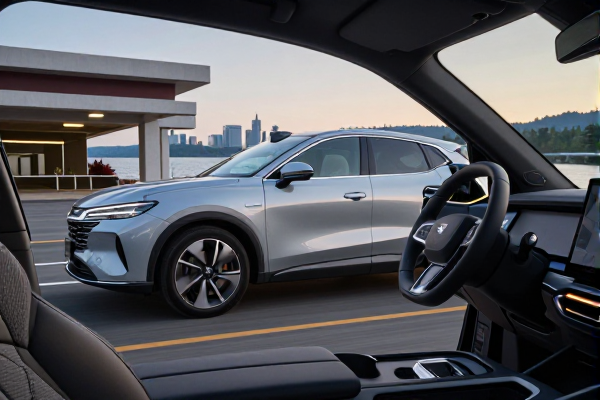
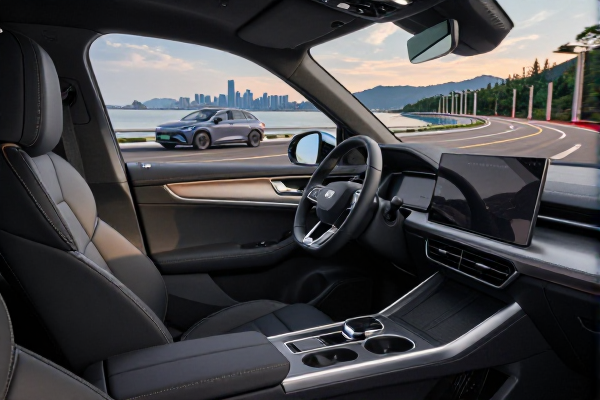
The key insight: electric powertrains allow small cars to overcome the three biggest dealbreakers of the past—weak acceleration, cramped interiors, and dated safety features. Geely’s EX2, a compact electric crossover, offers up to 80 kW in its higher trim, along with modern styling and a connected cabin that rivals larger vehicles.
In the U.S., the trend is already visible. According to the Alliance for Automotive Innovation, sales of subcompact and compact EVs grew 18% year-over-year in 2024, even as total EV sales softened. Analysts at J.D. Power note that the average transaction price of a small EV dropped below $30,000 after incentives, making them a viable option for first-time EV buyers and urban commuters.
Tuitahi emphasized that the old trade-offs are disappearing. “A lot of the compromises you typically make in a B-segment or light hatchback—drivetrain, power, performance, safety, style, space—are solved with a battery electric platform,” he said. “Consumers can prioritize features by sacrificing segment size, but still get that same interior space.”
One of the biggest shifts is in how buyers think about range. For a small EV, daily driving needs are often modest. “Someone who can trickle charge every day is never going to be below 70 or 80 percent battery,” Tuitahi noted. “It really comes down to use case.” He encouraged dealers to help customers identify their driving patterns rather than default to a “more range is better” mindset.
The broader automotive landscape supports this reframing. Data from the U.S. Department of Energy shows that the average American drives about 37 miles per day—well within the 100–150 mile range of most affordable small EVs. That means for many households, a compact EV can serve as a primary commuter car, while a larger vehicle handles longer trips.
Geely’s EX2 is just one example. Competitors like the Chevrolet Bolt EV, Mini Electric, and the upcoming Tesla Model 2 (if it launches) are expected to further expand the segment. Tuitahi’s comments suggest that automakers are betting on small EVs not just as compliance cars, but as genuine volume drivers.
The shift also carries environmental benefits. Smaller EVs use fewer raw materials per vehicle, reduce battery size requirements, and lower manufacturing emissions. According to a 2024 study by the International Council on Clean Transportation, a compact EV produces about 25% fewer lifecycle emissions than a midsize EV, even before accounting for grid improvements.
Still, challenges remain. The small car market in the U.S. has contracted for over a decade, and consumer preference for spacious interiors and high seating positions isn’t easily reversed. But Tuitahi’s optimism is grounded in a simple observation: when the price, features, and daily usability align, buyers are willing to downsize.
“We’re seeing people who would have bought a midsize sedan now looking at a compact EV because it gives them what they actually need—not what they think they need,” he said.
As more automakers bring affordable small EVs to market, the light car segment may finally find its second wind. The real test will come in 2025, when models like the EX2 and its rivals hit showroom floors in greater numbers.