Browse

Log in / Register
 Share

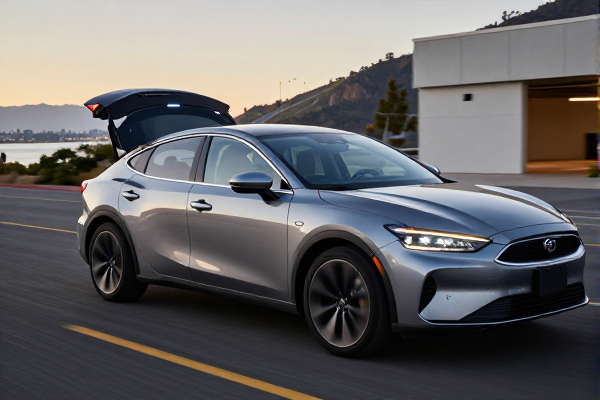
General Motors (GM) has revealed that the transition toward smaller, more fuel-efficient vehicles is progressing at a quicker pace than forecasted, largely fueled by persistently high gasoline prices. This shift, noted by Duncan Aldred, president of GM's North America operations, underscores a significant change in consumer behavior as economic pressures mount. As of June 17, 2026, the automotive sector is experiencing rapid adjustments, with implications spanning from production strategies to market competition. Aldred emphasized that while it's too early to deem this trend permanent, the decline in demand for larger vehicles like pickup trucks and full-size SUVs is notable, coupled with a rise in affordable segments. The acceleration is partly attributed to geopolitical tensions, such as the war in Iran, which has exacerbated fuel costs and heightened consumer sensitivity to efficiency.
In an exclusive industry analysis, recent data from the U.S. Energy Information Administration shows that average gas prices have surged by over 30% in the past year, prompting a reevaluation of vehicle preferences. GM's internal projections initially estimated the shift would take twice as long, but real-time sales metrics indicate a swift pivot toward compact cars and hybrids. Experts suggest this could herald a longer-term move away from gas-guzzlers, especially as environmental regulations tighten and electric vehicle adoption grows. The company's response includes potential adjustments to its production lineup, though Aldred stopped short of confirming permanent changes, highlighting the volatile nature of current market dynamics.
BMW's financial outlook took a hit with a grim profit warning, causing its shares to plummet by 7% on Wednesday. The German automaker now anticipates an operating profit margin between 1% and 3%, a sharp reduction from the earlier guidance of 4% to 6%. This downgrade reflects broader challenges in the European automotive landscape, including supply chain disruptions and rising material costs. However, in a silver lining, BMW has decided to open order books for the i3 sedan in Europe ahead of schedule—starting tomorrow rather than in the fall—due to stronger-than-expected demand. This move signals confidence in its electric vehicle offerings, potentially offsetting some of the profit pressures through increased sales volume in the EV segment.
Ford has issued a safety recall for approximately 500,000 vehicles, specifically 2015-2018 Focus and 2013-2016 Fusion models equipped with the 1.0-liter Fox engine and manual transmissions. The recall addresses a clutch issue prone to slipping, which can lead to overheating and increased fire risk. Ford is urging owners to contact dealerships for inspections and repairs, with no reported accidents linked to the defect so far. This recall highlights ongoing quality control challenges in the industry, as manufacturers balance cost-cutting with safety standards. Analysts note that such incidents could impact consumer trust, especially amid a competitive market where reliability is a key selling point.
Mitsubishi dealers in North America have expressed enthusiasm after previewing upcoming models, including the Montero SUV and a Nissan Frontier-based midsize pickup. One retailer described the new lineup as a "night and day" improvement over current offerings, suggesting a potential revival for the brand in a crowded market. The previews indicate Mitsubishi's strategy to leverage partnerships and refreshed designs to capture market share, particularly in the SUV and pickup segments that remain popular despite the shift toward smaller cars. Industry watchers believe this could boost Mitsubishi's sales if executed well, but it faces stiff competition from established players and emerging electric alternatives.
Rivian, the electric vehicle startup, has announced layoffs affecting less than 2% of its workforce, which totaled just over 15,000 employees at the end of last year. The company cited operational adjustments and efficiency improvements as reasons, though it remains committed to its long-term growth plans. This downsizing reflects the broader pressures on EV manufacturers, who must navigate high production costs and fluctuating demand. Rivian's move is seen as a cautious step to maintain financial stability, with insiders suggesting it may refocus resources on key projects like its upcoming R2 platform to stay competitive in an evolving market.
Jaguar Land Rover (JLR) has revised its profit margin guidance downward to 4%, citing multiple headwinds including a costly cyberattack last fall that is estimated to have resulted in losses around $2.6 billion. The attack disrupted operations and added to the challenges many European automakers face, such as regulatory hurdles and economic uncertainty. JLR's adjustment underscores the vulnerability of the industry to external shocks, with the company working to bolster cybersecurity measures while managing profit pressures. Despite this, JLR continues to invest in electric and hybrid technologies, aiming to regain momentum in the luxury segment through innovation and enhanced customer experiences.
In motorsport news, Porsche has commented on potential rule changes in endurance racing, stating that combining LMH and LMDh cars into a single formula would be a "significant step" toward its return to events like the 24 Hours of Le Mans. Porsche exited the World Endurance Championship after last season and missed the recent Le Mans race, but officials are optimistic about rejoining if regulations align. This development points to broader trends in racing, where manufacturers seek cost-effective and competitive formats to showcase technology. Porsche's interest signals a commitment to motorsport as a marketing and R&D tool, even as it navigates shifts in the consumer automotive market.
The automotive industry's rapid evolution is further evidenced by consumer surveys showing a 25% increase in interest in small and electric vehicles over the past quarter, according to a recent report from J.D. Power. This data supports GM's observations and suggests that the shift may be more durable than initially thought. As gas prices remain elevated and environmental concerns grow, manufacturers are likely to accelerate investments in efficient technologies, reshaping product portfolios for years to come. The interplay between economic factors, consumer preferences, and regulatory frameworks will define the next phase of automotive innovation, with small cars and electrification at the forefront.