Browse

Log in / Register
 Share

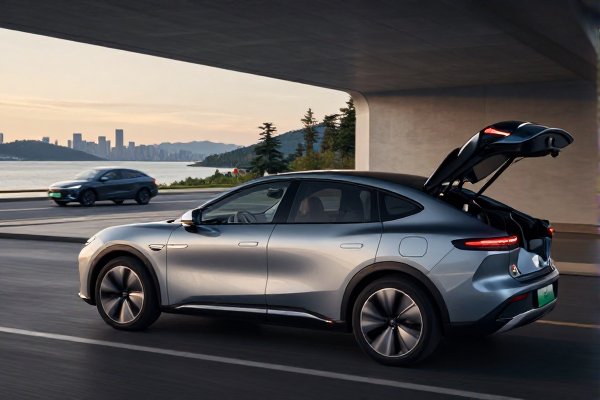
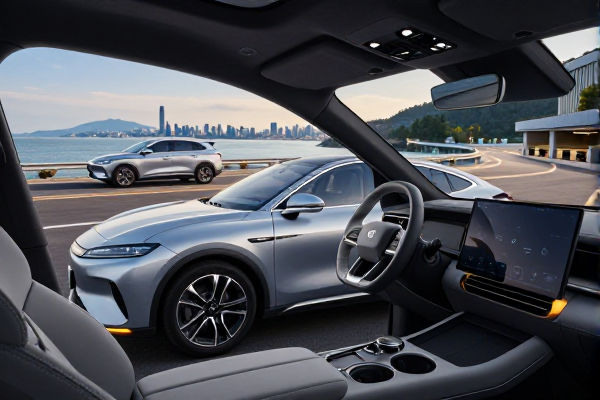
Energy giant Shell has pulled back the curtain on a new concept vehicle, a tangible prototype developed to meet the ambitious goals of its "Triple 10 Challenge." Co-engineered with automotive partners, the car's central innovation is a proprietary thermal management fluid designed to tackle key hurdles in electric vehicle adoption. July 14, 2024.
The core technical proposition lies in a novel fluid circulating through the vehicle's battery and powertrain systems. This fluid is engineered to more effectively regulate temperature extremes during high-power charging sessions and demanding drive cycles. Stable thermal conditions are critical for battery health, charging speed, and overall energy efficiency, making this a foundational technology.
By maintaining an optimal temperature range, the system directly targets one of the main pain points for EV owners: charge time. The fluid's properties are intended to allow the battery to accept a higher rate of charge for a longer duration without the risk of overheating, which typically forces a slowdown. This could translate to significantly reduced time spent at a charging station.
Beyond faster charging, the thermal management breakthrough is engineered to enhance overall vehicle efficiency. A battery operating in its ideal thermal window experiences less internal resistance and energy loss. This means more of the stored electrical energy is converted into usable power for the wheels, potentially extending the vehicle's range on a single charge.
The third pillar of the "Triple 10" ambition—lower costs—is addressed through both direct and indirect pathways. The fluid technology itself aims to be a scalable solution. More efficient thermal management can reduce the need for oversized, expensive battery packs to achieve a target range, lowering the bill of materials for manufacturers.
Shell's foray into a full concept car is a strategic signal beyond a simple component supplier play. It represents a holistic approach to the energy transition, positioning the company as a solutions integrator for the entire EV ecosystem—from energy generation and charging infrastructure to the vehicle's core performance.
Industry analysts view this move as a direct competitive response to similar initiatives from other energy majors and chemical companies who are racing to develop next-generation EV fluids. The market for specialized thermal management fluids is projected to grow substantially as EV performance demands increase.
Adding a layer of technical credibility, the development process reportedly involved rigorous simulation and track testing under extreme conditions. This data-driven approach is intended to validate the fluid's performance claims regarding heat transfer rates and long-term stability before any commercial application.
The broader implication for the automotive industry is a potential shift in the supplier landscape. Traditional lubricant and fluid suppliers are now competing in a high-tech arena where their chemical expertise becomes a critical differentiator for vehicle OEMs seeking an edge in EV performance.
From a consumer perspective, the promised benefits are clear: less time charging, more miles driven, and a lower total cost of ownership. However, the transition from a promising concept to a production-ready technology available in showrooms remains a multi-year challenge involving industry-wide adoption and standardization.
Shell has not announced specific partnerships for deploying this technology or a timeline for commercialization. The concept car serves primarily as a proof-of-concept and a conversation starter with automakers, highlighting the company's R&D capabilities in the electrified mobility space.
Environmental considerations are also part of the narrative. A more efficient vehicle consumes less energy overall, which, when coupled with a growing supply of renewable electricity, contributes to lower lifecycle emissions. Shell's investment here aligns with its stated net-zero ambitions, albeit amid ongoing scrutiny of its core fossil fuel business.
The unveiling strategically precedes several major international automotive trade shows, where discussions around EV enabling technologies will be front and center. It positions Shell to engage with OEMs from a point of demonstrated innovation rather than theoretical promise.
Ultimately, this concept is less about Shell building its own brand of cars and more about redefining its role in the future of transport. By solving a fundamental engineering challenge with advanced chemistry, the company aims to secure its place in the value chain of the electric mobility revolution, from the wellhead to the wheel.