Browse

Log in / Register
 Share

Senior Driving in the Age of Automation: Navigating the Tech Landscape
For many American seniors, the car key symbolizes independence. As driving needs evolve with age, the modern vehicle market offers a perplexing array of technologies promising safety and ease. While driver-assist systems can be powerful allies, experts emphasize that choosing the right car requires careful consideration beyond the latest gadgets. The goal is a harmonious balance that enhances capability without overwhelming the driver. (Updated: October 26, 2023)
The Assisted Driving Promise: Helpful, Not a Replacement
Features like blind-spot monitoring, adaptive cruise control, and rearview cameras are no longer luxury extras. For older adults, they serve as critical sensory aids. A blind-spot warning chime can compensate for reduced neck mobility, while adaptive cruise reduces cognitive load on long, monotonous highway drives. These systems act as co-pilots, providing a crucial safety net by monitoring areas a driver might miss. Their value lies in support, not in fostering total reliance on automation.
The Autonomous Vehicle Question: A Complex Equation for Independence
The conversation around fully self-driving cars is charged with emotion for the older demographic. Some view the technology as the ultimate tool for preserving autonomy, a way to prevent family members from "taking the keys." The potential to reduce accidents caused by human error is a significant allure. However, gerontology experts urge profound caution. Current "self-driving" features are strictly limited, requiring constant driver supervision and intervention. The open road presents unpredictable scenarios—from construction zones to erratic drivers—where human judgment remains irreplaceable.
When Technology Becomes a Burden: The Usability Gap
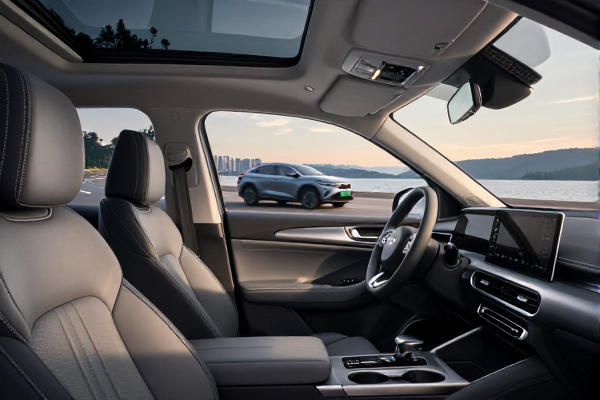
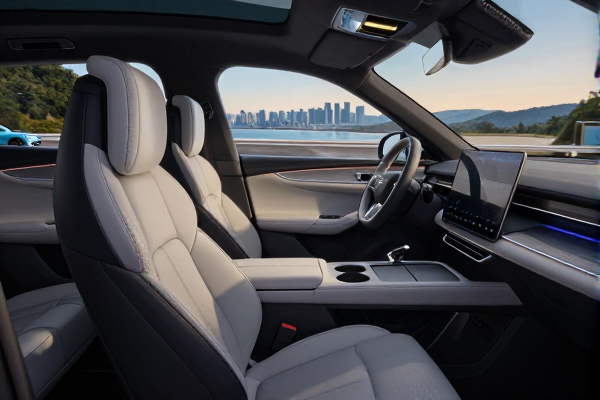
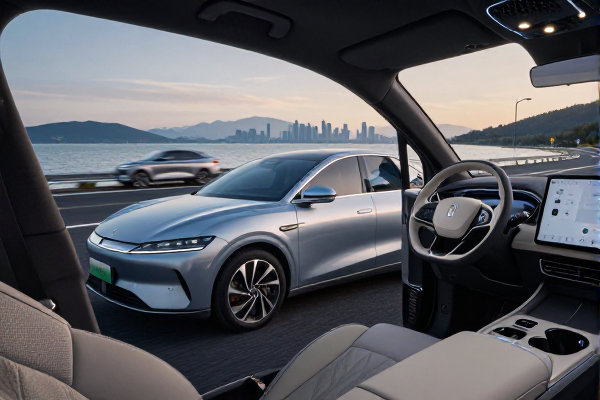
A common pitfall is the assumption that more technology equals better safety. The reality is that complex, unintuitive interfaces can create stress and distraction. Lane-keeping assist systems, for example, can feel intrusive or fight a driver’s intentional input to avoid a road hazard. The mental effort to learn and manage numerous digital menus can be counterproductive. The ideal vehicle offers technology that is either seamlessly intuitive or easily customizable and disable-able, putting the driver in control of their assistance level.
The Critical Role of Physical Design and Visibility
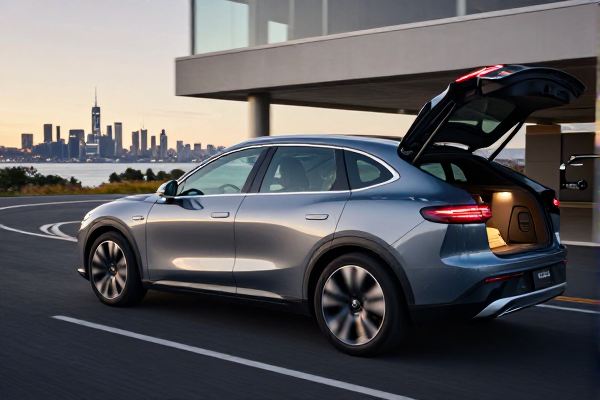
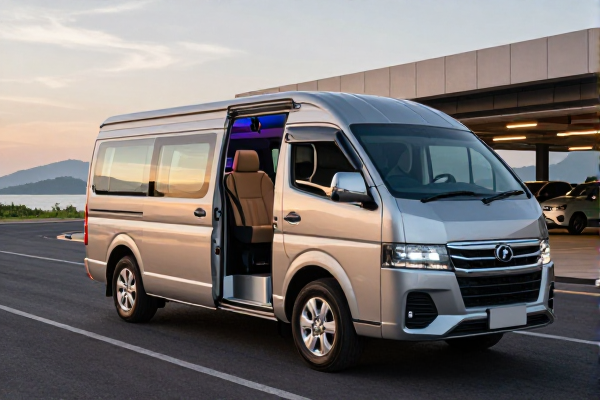
An age-friendly vehicle extends far beyond its software. Physical design is paramount for safety and comfort. Key considerations include a seat height that allows for easy entry and exit without a deep squat or climb, wide door openings, and supportive, adjustable seats. Visibility is another non-negotiable factor. Large windows, thin pillars, and a commanding driving position minimize dangerous blind spots. These fundamental design elements ensure the driver can enter the vehicle safely and see the road clearly, forming the foundation upon which any technology is built.
Maintaining Cognitive Engagement: The "Use It or Lose It" Principle
Medical professionals highlight a nuanced benefit of driving: it’s a complex mental exercise. Navigating traffic, making split-second decisions, and processing spatial information all help keep the brain engaged. The danger of over-automation is the creation of a passive driver, which could potentially accelerate cognitive decline. The sweet spot is technology that reduces physical strain and peripheral stress while keeping the driver’s mind actively involved in the dynamic task of operating the vehicle.
Actionable Checklist for an Age-Friendly Car Purchase
Before visiting a dealership, older drivers and their families should develop a personalized checklist. Prioritize clear visibility and easy physical access first. Then, test-drive to evaluate specific technologies. Is the blind-spot alert timely and clear? Does the lane-keeping assist feel helpful or intrusive? Can the dashboard controls be understood without a manual? Finally, consider reliability and the cost of repairing high-tech components. The best choice is a vehicle whose features feel like natural extensions of the driver’s own senses and capabilities.
The Future of Senior Mobility: Integration and Personalization
The latest trend in automotive design is moving toward integrated personalization. Future systems may use biometrics to adjust seat position, mirror angles, and even the sensitivity of driver-assist alerts automatically for different users. Furthermore, data from the National Highway Traffic Safety Administration (NHTSA) is increasingly used to refine these systems for real-world scenarios faced by older adults, such as navigating complex intersections. The ultimate goal is a vehicle ecosystem that adapts to the individual, ensuring safety and independence are not mutually exclusive but are seamlessly supported for years to come.