Browse

Log in / Register
 Share

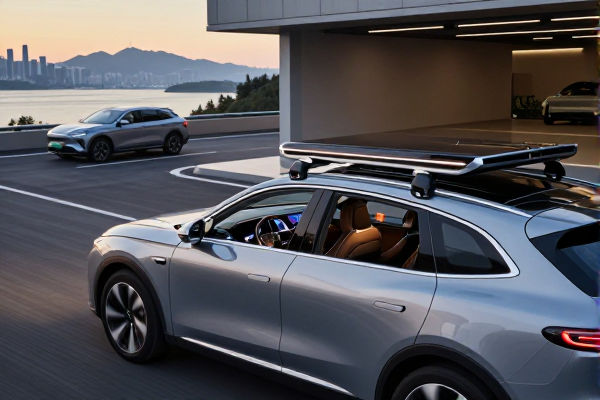
As of April 26, 2026, fuel prices remain a frequent pain point at American pumps, and drivers are again hunting for savings that don't require parking the car. One overlooked solution is literally parked on the roof. Roof racks and crossbars are handy, but when they stay mounted for daily commuting, they create a permanent, entirely avoidable efficiency penalty.
Aerodynamic drag is the invisible cost that keeps climbing as speed rises. Automakers spend millions shaping SUVs and sedans for a clean flow of air, then many buyers walk out of the showroom with dealer-installed crossbars that undo part of that work. The bars themselves don't weigh much, but their shape interrupts airflow over the roof and forces the engine to work harder to hold a steady speed. The faster you drive, the bigger the toll.
That toll isn't just theoretical. Testing by Car and Driver found that removing the factory crossbars from a Kia Carnival minivan lifted real-world mileage from 25 mpg to 28 mpg. The fix added about 60 miles of highway range to that vehicle. It was the same car, same driver, same route — only the crossbars were missing.
Consumer Reports has also tested the effect on an ordinary sedan. At a steady 65 mph, the Altima lost about 5 mpg when a roof rack was fitted. Adding a roof box made the hit even worse: about 9 mpg gone. That is a meaningful slice of the fuel budget for anyone who commutes on highways or takes frequent road trips.
The penalty isn't uniform for every vehicle. A boxy SUV with a blunt silhouette is already fighting so much drag that a roof rack may make less of a difference in percentage terms. But that doesn't mean the rack is free. Smooth, efficient sedans, liftbacks, and family crossovers are often the most sensitive; a small disturbance to their carefully shaped roofline can cause a disproportionately large drop in efficiency.
Why should an empty carrier box exact such a high tax? Two factors are at work: a bigger frontal area and increased turbulence. Even low-profile crossbars create a region of disturbed air behind them. When you add a cargo box or a tray, you create a much larger obstacle. At highway speeds, the engine spends extra energy pushing against that invisible wall. According to the U.S. Department of Energy, a loaded roof rack can reduce highway fuel economy by as much as 10% in common driving conditions — and, in many consumer tests, double digits are not rare.
Here is a detail many drivers don't hear at the dealership: the MPG number printed on a new vehicle's window sticker comes from tests where the car is clean and free of accessories. EPA's laboratory procedures don't account for rooftop cargo bars, bike mounts, or cargo boxes. So a crossover's official ratings can look excellent while its real-world pump results look disappointing. A driver who thinks they are getting 30 mpg may actually be getting 26 or 27 because of an accessory that sits untouched for 50 weeks a year.
That gap is becoming more important as the new-car fleet shifts to smaller, more efficient engines. Manufacturers are tapping every tenth of a mile per gallon to meet fuel economy targets, and owners can preserve more of that efficiency by simply removing unnecessary add-ons. It is also one of the cheapest MPG improvements someone can make: time, a wrench, and a few minutes in the driveway.
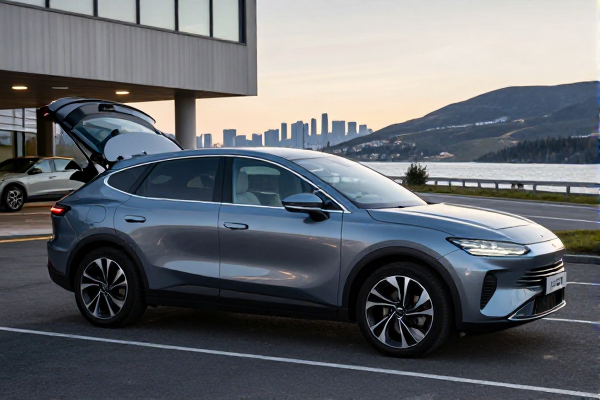
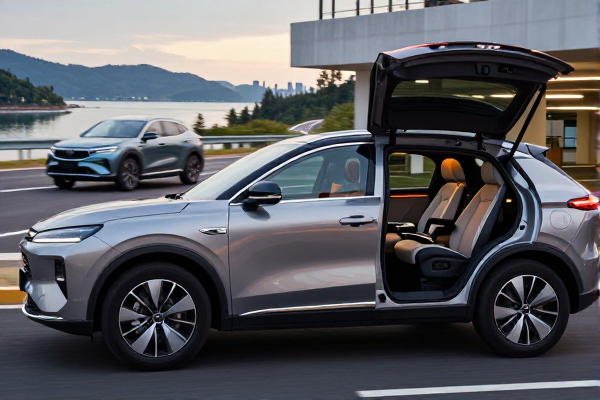
The efficiency math gets trickier now that "rugged" is a fashion statement. Chinese automakers, in particular, have embraced the visual language of classic off-roaders – roof rails, spare-wheel carriers, and harsh plastic cladding – when designing SUVs aimed at more than untamed trails. The same trend is visible in many new EV and hybrid crossovers, where roof rails are positioned as standard equipment or "lifestyle packages."
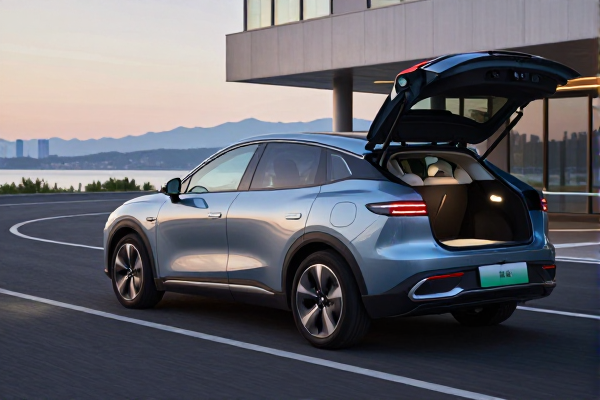
On vehicles such as the Jeep Wrangler, Ford Bronco, Toyota 4Runner, and Land Rover Defender, aero efficiency was never high on the list anyway. Those models already have the aerodynamic profile of a shoe box, so adding a roof rack to their taller and steel-clad body is an incremental change to an already large drag coefficient. But on an urban-oriented crossover, hatchback, or minivan, the same accessories can have a surprisingly strong effect. When an otherwise sleek vehicle adopts heavy roof hardware, the result is a noticeable increase in fuel consumption – or, for an EV, a noticeable drop in range.
For a growing number of buyers, the tradeoff is visual rather than practical. The car looks outdoor-ready even if the nearest trailhead is 30 miles away. Still, that styling can burn fuel long after the novelty wears off. Roof rails that can't be removed easily are especially worth a second thought. Some rack systems are bolted to the roof and have crossbars that are quick to detach; others sit there permanently, punishing owners every time they merge onto the interstate.
The practical rule is simple: if the roof rack isn't carrying something, take the crossbars off. Remove the cargo box after a vacation. Unbolt the bike trays when you get home. Store them in a closet or garage until the next trip. On many vehicles, factory crossbars have a designed lock-and-release mechanism that takes minutes to operate, and removing them creates an instant change in how the car feels – it accelerates a bit more willingly and needs less throttle to hold a given speed.
If you need cargo capacity often, consider a rear-mounted hitch carrier instead. A hitch box sits lower, behind the vehicle's wake, so it creates less disruption to the airflow over the roof. It can also be attached to a receiver hitch without touching the vehicle's painted body. When the carrier is empty, unlatch it and leave the hitch receiver bare. That will save fuel on every trip from the school run to the morning commute.
The same approach applies to EV drivers. Regenerative braking can't recover energy lost to aerodynamic drag. For battery-powered models, taking off a roof box before a highway trip can expand actual range by a meaningful margin. Since public charging is not as convenient as a fuel station for many people, that range can matter more than fuel money.
No one says roof racks are useless. They turn a small runabout into a weekend adventure vehicle, haul kayaks, skis, luggage, and camping gear in a way that a trunk never could. But car accessories are becoming more expensive, and with vehicle ownership costs already high, paying an MPG tax month after month for nothing is hard to justify. The best strategy is to treat the roof rack like any other piece of gear: it should be on the car only when it's working for you.
Driving the same car without the crossbars is one of the least glamorous yet most consistent fuel-economy upgrades available. It doesn't force changes to your driving style, and it doesn't require an expensive shop visit. It simply asks owners to rethink a five-minute habit. Leaving the rack at home won't start conversations, but it will stretch every gallon a little further — and that's a benefit every driver can appreciate.