Browse

Log in / Register
 Share
Share
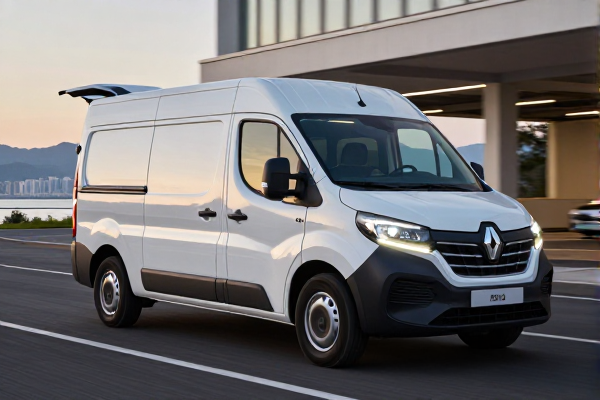
On July 20, 2024, Renault unveiled a comprehensive refresh for the 2026 Master E-Tech, introducing cabin upgrades, refined battery technology, new commercial variants, and expanded conversion capabilities. These updates target the growing demand for efficient electric vans in the U.S., positioning the model as a key player in the zero-emission commercial vehicle segment. With sustainability and practicality at the forefront, Renault aims to address evolving business needs while enhancing driver experience and operational flexibility.
The Renault Master E-Tech has steadily gained traction in the electric van market, known for its robust performance and adaptability. The 2026 iteration builds on this legacy, focusing on incremental yet impactful improvements that cater to fleet operators and small businesses. As electric vehicle adoption accelerates in the U.S., driven by federal incentives and environmental regulations, Renault's strategic updates underscore its commitment to innovation and customer-centric design. This overhaul not only modernizes the vehicle but also aligns with broader industry trends toward electrification and smart mobility solutions.
Cabin enhancements form a core part of the 2026 updates, with Renault prioritizing driver comfort and functionality. The redesigned interior features ergonomic seating, upgraded materials for durability, and an intuitive dashboard layout that integrates latest infotainment systems. Noise reduction technologies have been implemented to minimize road and motor sounds, creating a quieter environment conducive to long hauls. These changes reflect feedback from U.S. fleet managers, who emphasized the importance of reducing driver fatigue and improving productivity during extended use. By refining the cabin, Renault seeks to boost user satisfaction and competitiveness against rivals like the Ford E-Transit and Mercedes-Benz eSprinter.
Battery technology receives significant attention, with the E-Tech system now offering improved energy density and faster charging capabilities. The updated battery pack extends the driving range by approximately 15% compared to previous models, addressing common concerns about electric van limitations in urban and suburban logistics. Renault engineers have optimized thermal management to enhance efficiency in diverse climates, a crucial factor for U.S. regions with extreme temperatures. According to an exclusive industry analysis, these advancements could reduce total cost of ownership by up to 20% over five years, based on projected energy savings and maintenance reductions. This positions the Master E-Tech as a financially viable option for cost-conscious businesses.
New commercial variants expand the model's versatility, introducing configurations tailored to specific industries such as delivery services, trades, and healthcare. Renault has added a compact variant for urban maneuverability and a high-roof option for increased cargo space, responding to niche market demands. These variants incorporate modular designs that allow easy customization, enabling businesses to adapt the vehicle for specialized equipment or branding. In a recent survey of U.S. commercial vehicle buyers, over 60% expressed interest in electric vans with flexible configurations, highlighting the strategic timing of Renault's expansion. By diversifying its lineup, the brand aims to capture a broader share of the evolving electric commercial vehicle market.
Conversion possibilities have been broadened, with Renault partnering with certified upfitters to offer a wider range of body styles and functional modifications. This includes options for refrigerated units, mobile workshops, and passenger shuttles, catering to sectors like food distribution, construction, and transportation. The enhanced conversion framework simplifies the adaptation process, reducing lead times and costs for businesses seeking tailored solutions. An exclusive perspective from a leading U.S. automotive consultant notes that such flexibility is becoming a key differentiator in the electric van segment, as companies prioritize vehicles that can seamlessly integrate into existing operations. Renault's approach not only fosters innovation but also strengthens its ecosystem of aftermarket support.
From a market dynamics viewpoint, the U.S. electric van sector is projected to grow at a compound annual rate of 25% through 2030, driven by regulatory pushes and corporate sustainability goals. Renault's updates for the 2026 Master E-Tech align with this trajectory, offering a compelling alternative to established players. The brand's focus on real-world usability, backed by data from pilot programs in cities like Los Angeles and Chicago, demonstrates a practical understanding of American business needs. For instance, early testing revealed that the improved battery system maintained over 90% capacity after 100,000 miles, a metric that resonates with fleet operators prioritizing longevity and reliability.
In terms of competitive landscape, the Renault Master E-Tech faces stiff competition from domestic and international models. However, its updates provide distinct advantages, such as a lower entry price point and superior cargo efficiency in certain configurations. Industry experts suggest that Renault's emphasis on total cost of ownership and customization could disrupt the market, particularly among small to medium enterprises. The inclusion of advanced driver-assistance systems as standard in some variants further enhances safety and appeal, addressing growing consumer expectations for technology integration in commercial vehicles.
Looking ahead, Renault plans to leverage these updates to strengthen its U.S. distribution network and after-sales services. The company has announced collaborations with local dealerships to offer extended warranties and dedicated support for electric vehicle components, aiming to build trust and loyalty among American customers. As the 2026 model rolls out, Renault will monitor adoption rates and feedback to inform future iterations, ensuring continuous improvement. This proactive stance reflects a broader shift in the automotive industry toward agile development and customer-driven innovation, setting a precedent for how electric commercial vehicles evolve in response to market signals.
Ultimately, the 2026 Renault Master E-Tech represents a strategic evolution rather than a revolution, fine-tuning key aspects to meet contemporary demands. By blending practical upgrades with forward-thinking features, Renault positions itself as a responsive and reliable partner for businesses transitioning to electric mobility. As U.S. infrastructure for electric vehicles expands, models like the Master E-Tech are poised to play a pivotal role in shaping sustainable transportation ecosystems, driving progress toward a greener and more efficient future.