Browse

Log in / Register
 Share

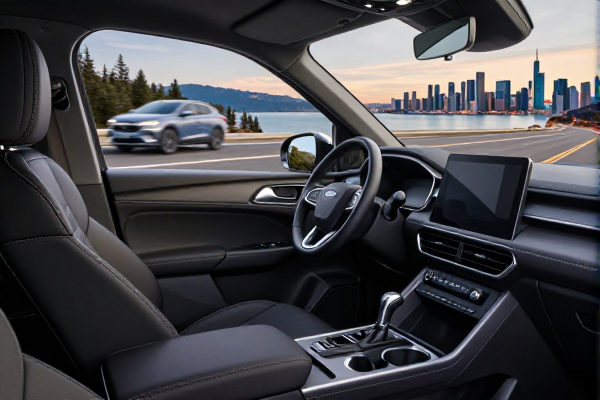
May 24, 2024 — Ford Motor Company has significantly expanded the availability of its "Start Inhibit" system, a technology often framed as a powerful anti-theft tool. While the capability to remotely disable a stolen vehicle addresses a real consumer pain point, a closer examination reveals the feature's implications extend far beyond theft recovery, touching on fundamental questions of control, data, and ownership in the modern automotive era.
The promoted narrative is straightforward and compelling. If a thief manages to steal a Ford vehicle equipped with this connected service, the owner or law enforcement, with proper authorization, can request Ford to send a signal preventing the engine from restarting after it is next turned off. This scenario, frequently highlighted in recent announcements, offers a tangible solution to vehicle theft, a growing concern in many urban areas. The technology leverages the ubiquitous cellular connectivity now built into most new vehicles, transforming them from mere modes of transport into nodes on a vast, controllable network.
However, peeling back the marketing layer uncovers a more complex reality. The core function—a manufacturer-held "off switch"—introduces a profound shift in the traditional dynamic between driver and machine. Historically, once a consumer purchased a car, they possessed near-total operational control, limited only by mechanical failure or legal intervention. Ford's system, and others like it being developed across the industry, re-centralizes a critical aspect of that control with the manufacturer. This capability, while beneficial in specific criminal scenarios, inherently establishes that the ultimate authority to grant or deny a vehicle's operation can reside outside the driver's seat.
This shift is not occurring in a vacuum. It parallels broader trends in the tech and automotive industries, where software subscriptions, feature-on-demand payments, and continuous data collection are becoming standardized. The remote kill switch is a stark manifestation of this paradigm. It underscores that modern vehicles are less like appliances and more like smartphones on wheels—complex devices where the hardware is merely a platform for software and services that the manufacturer can monitor, update, and, in this case, deactivate. Analysts point to this as a pivotal moment in redefining the very concept of "ownership" for big-ticket items like cars.
The practical and ethical questions surrounding this technology are mounting. What are the precise protocols for activating the kill switch? What safeguards prevent misuse, erroneous activation, or exploitation by bad actors—including potential insider threats or hackers targeting the vehicle's telematics system? Furthermore, the feature is inextricably linked to pervasive data collection. To locate and disable a vehicle, Ford's system must continuously track its location and status, raising significant privacy concerns about the scope, security, and use of this granular mobility data. Legal scholars are beginning to debate whether such capabilities could one day be leveraged for non-theft scenarios, such as disabling a vehicle over unpaid subscription fees or other contractual disputes, a possibility some terms of service agreements may already technically allow.
Industry response has been mixed. Some security experts applaud the tool as a necessary evolution to combat sophisticated theft rings. Consumer advocacy groups, however, urge greater transparency and regulatory scrutiny, calling for clear federal guidelines on the use of such systems, mandatory user consent protocols, and robust cybersecurity standards to protect the data and control channels involved. The conversation is pushing automakers beyond simple feature announcements and towards addressing their role as stewards of both property and digital rights.
Ultimately, Ford's Start Inhibit feature serves as a critical case study. It demonstrates how a solution to one problem (theft) can simultaneously open a Pandora's Box of new questions about power, privacy, and autonomy in an increasingly connected world. As vehicles become more integrated into the digital ecosystem, the debate sparked by this remote kill switch will likely determine the balance of control between the individual driver and the corporate entities that build and maintain the software-defined vehicles of the future. The path forward demands not just technological innovation but also rigorous public discourse and thoughtful policy to ensure these powerful tools enhance security without undermining consumer sovereignty.