Browse

Log in / Register
 Share
Share
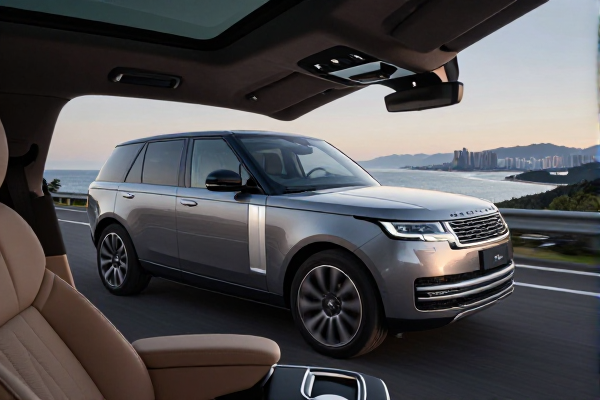
March 28, 2025 – Range Rover has officially entered the electric vehicle segment with the launch of the Range Rover Electric, its first fully battery-powered model. The vehicle, priced from £154,070 in the UK, is now rolling off the production line at JLR’s Solihull facility in the West Midlands, following a major retooling of the plant.
The launch marks a pivotal moment for the iconic British brand, which has long dominated the luxury SUV market with combustion engines. The Range Rover Electric is positioned as a direct competitor to high-end electric SUVs like the Mercedes-Benz EQS SUV, BMW iX, and the upcoming Cadillac Escalade IQ. JLR’s managing director Martin Limpert described the new model as “the culmination of a decade of engineering to set a new benchmark for luxury SUVs.”
Production at Solihull has been transformed to accommodate the electric drivetrain. Around 9,000 workers at the plant, along with 1,500 employees across the broader West Midlands region, have undergone retraining programs focused on high-voltage systems, battery assembly, and electric motor integration. JLR’s Wolverhampton facility, originally known for combustion engine manufacturing, has been repurposed to produce battery packs and electric drive units alongside traditional engines.
The shift to electric production is part of JLR’s broader Reimagine strategy, which aims for all Jaguar and Land Rover models to be fully electric by 2030. The company has invested £15 billion in electrification, including battery technology, software development, and manufacturing upgrades. The Range Rover Electric is the first fruit of that investment, and it arrives at a time when luxury EV demand is growing, albeit slower than earlier forecasts.
Industry analysts note that the Range Rover Electric’s price point puts it firmly in the ultra-luxury category, competing with the Mercedes EQS SUV (starting around $104,000 in the US) and the BMW iX M60 (approx $111,000). However, the Range Rover brand carries a unique cachet—its combination of off-road capability, British craftsmanship, and prestige status has historically commanded premium pricing. The electric version adds a silent, torque-rich powertrain that could appeal to buyers seeking both luxury and sustainability.
JLR has not yet announced US pricing or availability, but the company confirmed that global deliveries will begin in the second half of 2025. The UK starting price of £154,070 translates to roughly $195,000 at current exchange rates, though US pricing may differ due to tariffs, local taxes, and market positioning. The Range Rover Electric will be offered in standard and long-wheelbase versions, with a range estimated at over 300 miles on the WLTP cycle.
The vehicle uses an 800-volt architecture, enabling ultra-fast charging at up to 350 kW. JLR says the battery pack is designed to withstand extreme temperatures and off-road conditions, with a proprietary thermal management system that can pre-condition the battery for optimal performance. The electric motors are integrated into the rear axle, with a front motor option for all-wheel drive, delivering combined power expected to exceed 500 horsepower.
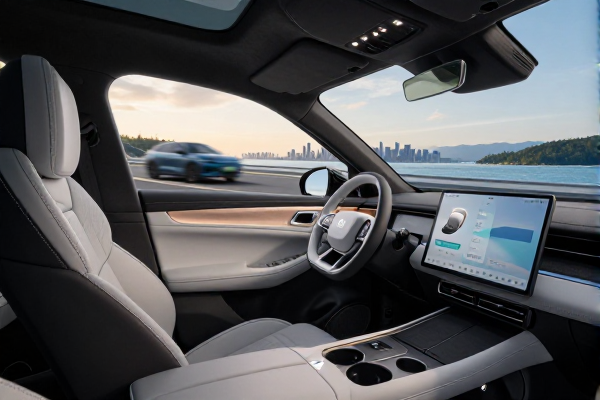
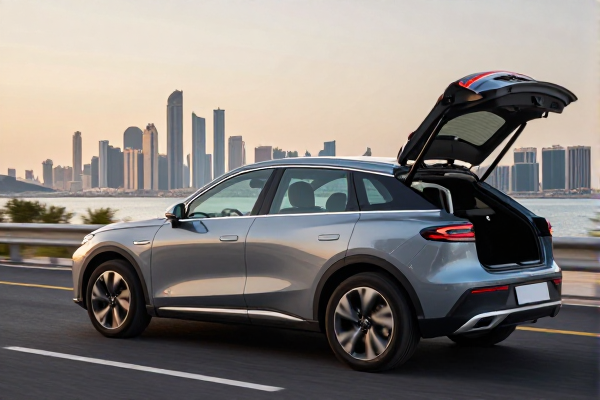
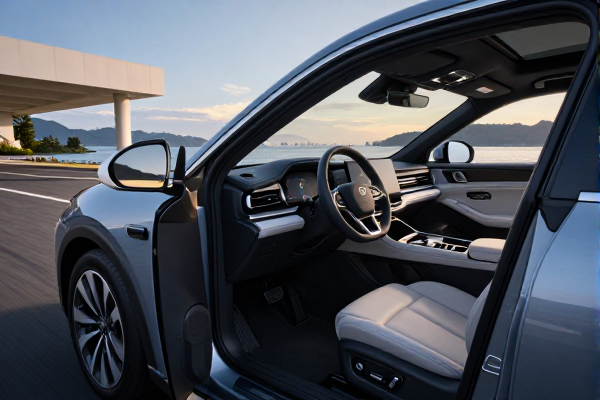
Beyond the powertrain, the Range Rover Electric retains the hallmark design cues of the Range Rover family: the floating roof, split tailgate, and signature LED light signatures. Inside, the cabin features sustainable materials, including a new Ultrafabrics upholstery made from recycled polyester, and optional Cashmere wool blend. The infotainment system runs on JLR’s latest Pivi Pro software with over-the-air updates, and includes a 13.1-inch curved touchscreen.
The launch event in Solihull was attended by UK government officials, including Business Secretary Jonathan Reynolds, who praised JLR’s commitment to domestic manufacturing. “This is a vote of confidence in British engineering and a clear signal that the UK can lead the global transition to electric vehicles,” Reynolds said.
However, the path to electric dominance is not without challenges. JLR faces stiff competition from established EV makers like Tesla and emerging Chinese luxury brands such as Nio and BYD, which are aggressively expanding into Europe. Additionally, the premium EV segment has seen softening demand in some markets, with consumers hesitant about high prices and charging infrastructure gaps.
Despite these headwinds, JLR remains confident. The company has reported strong pre-orders for the Range Rover Electric, with more than 20,000 expressions of interest globally since its unveiling earlier this year. The order book is expected to fill quickly, especially among existing Range Rover owners who want to transition to electric without sacrificing the brand’s signature refinement.
For the Solihull workforce, the transition represents a critical evolution. The plant, which has assembled Range Rovers for over 50 years, now employs a mix of traditional combustion engine assembly and electric drivetrain production. JLR has committed to reskilling every worker, with programs ranging from basic EV safety to advanced battery diagnostics. The company also partnered with local colleges to offer apprenticeships in electrification technology.
The Range Rover Electric will be built alongside the plug-in hybrid and mild-hybrid versions of the Range Rover, keeping production flexible as market demand shifts. This hybrid approach allows JLR to manage the transition gradually, maintaining profitability while investing in future technologies.
In terms of long-term outlook, JLR’s strategy is to leverage the Range Rover brand’s premium positioning to capture high-margin EV sales, while using the Jaguar brand to target a more performance-oriented audience with next-generation electric sports cars. The company’s Wolverhampton battery assembly plant is already scaling up, with plans to produce enough packs for 100,000 vehicles per year by 2026.
The Range Rover Electric sets a new benchmark for luxury electric SUVs, combining heritage craftsmanship with cutting-edge technology. For buyers willing to pay the premium, it offers a compelling blend of silence, power, and prestige. As the automotive industry accelerates toward electrification, Range Rover’s first electric model signals that the British luxury icon is ready to compete in the new era—on its own terms.