Browse

Log in / Register
 Share


As of May 7, 2026, what makes a car truly “premium” is being redefined. New research from Singapore’s luxury-car segment shows that buyers are increasingly weighing digital features, quiet cabins, and seamless technology above the heritage of a traditional badge. The finding carries a straightforward message for U.S. showrooms: the old hierarchy of premium value is shifting under the pressure of electrification.
The survey, based on 300 owners and prospective buyers in Singapore who own or plan to buy cars priced at S$300,000 and above, found that 80% believe electric vehicles can provide the same prestige as conventional premium cars. More than eight in ten also said that when considering a premium EV, innovation and technology matter more than brand heritage. The study was commissioned by SPH Media and BYD Singapore, with fieldwork conducted online by independent research firm Kantar in April 2026.
Official registration data reinforces the trend. In Singapore, vehicles in the higher-powered Category B certificate bracket—where many premium models sit—are becoming increasingly electric. Between January and September 2025, nearly four in ten Category B registrations were EVs, up from 29.7% in 2024 and 21.5% in 2023.
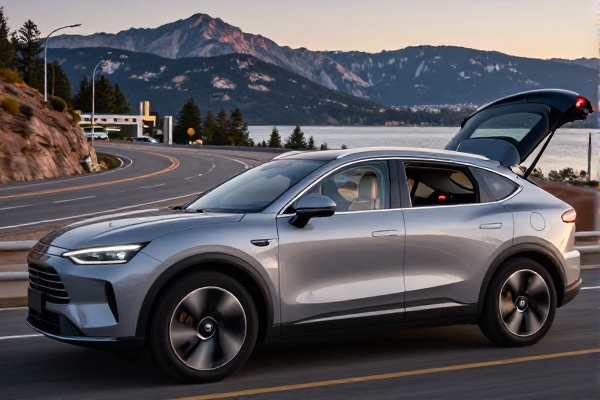
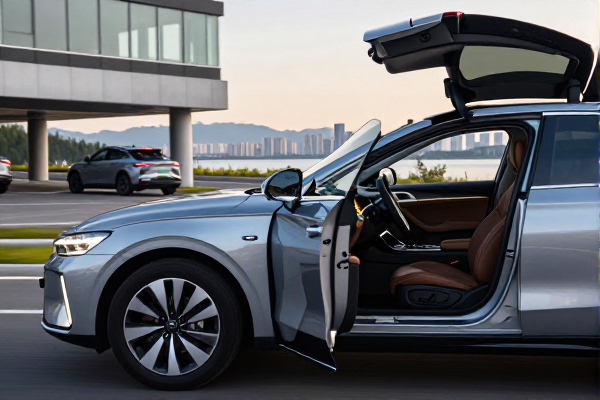
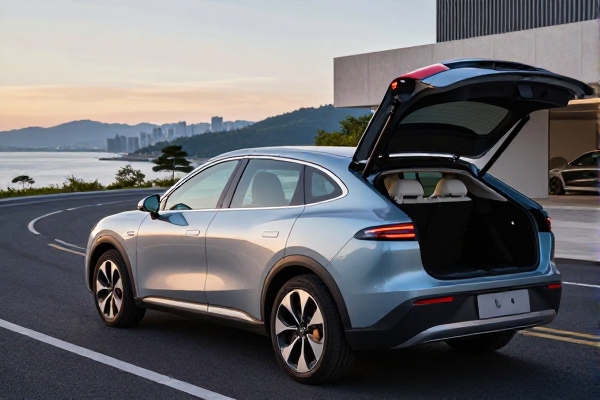
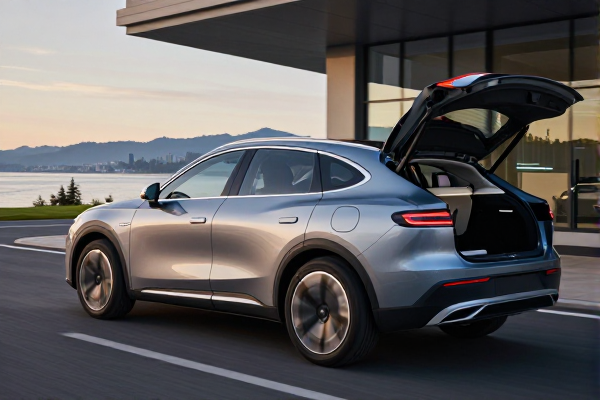
Behind those numbers are buyers whose attitudes have changed quickly. Albert Tayengco, a 42-year-old senior design engineer originally from the Philippines who has lived in Singapore for nearly 15 years, previously drove a two-year-old petrol SUV. With a growing household of six and two child seats, the cabin felt cramped. He replaced it in June 2025 with a Denza D9, an electric multi-purpose vehicle from BYD’s premium brand.
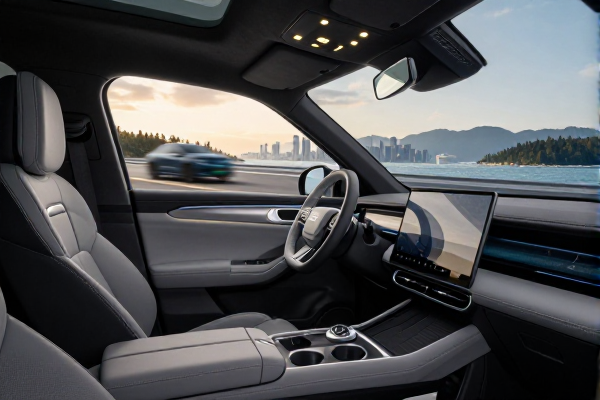
Tayengco says the D9 has changed how his family uses time between errands. Instead of driving home so his toddler can nap, the family now parks and relaxes in the quiet cabin. His son sleeps in the second row while his mother-in-law uses the built-in massage function. The car’s refrigerator keeps drinks cold, and the cabin stays cool without an idling engine.
“The quietness gives us a bubble inside the car, where we get to relax and enjoy the experience,” he said. “Useful technology, comfort, and a quiet, smooth drive—these are increasingly what I expect from a modern luxury car.”
Denza was originally launched in 2010 through a joint venture with Mercedes-Benz, before becoming a wholly owned BYD subsidiary in 2024. Tayengco listed ventilated seats, remote pre-cooling through an app, and a camera-assisted parking system as the features that made the premium feel feel complete.
Industry insiders say the shift is about expectations, not just products. Julian Kho, general manager of Singapore automotive platform Sgcarmart, notes that EVs deliver the immediate acceleration, quietness, and technology-rich cabin that many luxury buyers now assume as standard. “Silence and smoothness have become part of the premium experience,” he said. “In that sense, electrification aligns well with what luxury buyers already want: refinement, effortlessness, and technological superiority.”
Carmakers have taken note. BYD launched Denza in Singapore in 2024, the same year it became the country’s best-selling car brand on surging EV sales. BYD Singapore’s managing director James Ng says customer reception has been encouraging, with more than a thousand Denza units sold since the launch. He describes Denza’s strategy as one of “making practicality itself feel luxurious,” rather than copying the traditional luxury playbook.
Ng gives a simple example: a large second-row seat is practical. But when that seat is ergonomically shaped, electronically adjustable, ventilated, massaging, and operated with individual controls, “practicality becomes part of the luxury experience.” Denza models also use versions of BYD’s DiSus suspension technology, which adapts to driving conditions for comfort and stability.
Not all luxury buyers have moved at the same pace. Victor Kwan, an academic and former motor trader, says EVs have made clear progress in the premium segment because buyers see value in attractive designs, high-end electronics, and aggressive pricing. At the very top of the market, however, where prices exceed S$1 million, acceptance is slower. Buyers there still tend to value prestige, hand-built craftsmanship, and strong resale potential.
Even so, the underlying definition of premium status is being reset. “In the past, brand heritage was built around engines, motorsport, mechanical engineering, and decades of reputation,” noted Kho. “But with EVs, many of the traditional differentiators have been reset.” Kwan adds that buyers in both the mass market and premium tiers now show growing trust in Chinese brands. “There is now a lot of trust in Chinese quality and technology.”
The Singapore findings offer a preview of the friction playing out across the United States, where the definition of luxury is also broadening. U.S. buyers, like those in the survey, now compare cutting-edge software, charging speed, and quiet ride quality against old assumptions about badge heritage. The result is a market where a brand’s past is no longer as reliable a predictor of what a driver will buy.
James Wong, a 54-year-old pre-school owner in Singapore, embodies the practical luxury mindset. He spent two years researching EVs before choosing a Denza D9 last year to replace his family’s aging 2,400-cc MPV. Wong drives roughly 40,000 km a year, so operating costs mattered. His monthly petrol bill previously ran around S$800; charging the D9 at home using a private charger now costs just over S$200 a month.
Depreciation, often cited as a concern for EV buyers, did not sway him; he typically keeps cars for eight to nine years before upgrading. Decades of driving Japanese cars did not keep him from considering newer entrants. He judged the D9 by space, cabin materials, driver-assistance features, and after-sales service. His conclusion: the D9 offered “much better value, dollar-to-dollar” than peers.
“I’m a very practical person,” Wong said. “For me, luxury is usability.”
That sentence may be the clearest summary of where the premium car market is headed. As tech accelerates, brand names will not fade away. They will simply carry less weight. The next status symbol is experience—and buyers are already voting with their charging cables.