Browse

Log in / Register
 Share
Share

As of October 10, 2024, Porsche has unveiled a groundbreaking update to its Taycan electric vehicle lineup, introducing a virtual eight-speed E-Shift transmission designed to replicate the tactile feedback of traditional combustion engines. This move addresses growing consumer demand for more engaging driving experiences in the silent world of high-performance EVs, positioning Porsche at the forefront of blending electric efficiency with mechanical character. The 2027 Taycan models also feature a standard larger battery, updated charging ports, and enhanced cabin technology, signaling a strategic shift in the luxury EV market.
The automotive industry is witnessing a paradigm shift where sheer acceleration alone no longer satisfies enthusiasts. With electric vehicles dominating performance segments, manufacturers face the challenge of injecting soul into battery-powered machines. Porsche’s response with the E-Shift system reflects a deep understanding of driver psychology, aiming to bridge the emotional gap between electric and internal combustion powertrains. By simulating gear changes and engine braking, Porsche taps into decades of driving tradition, offering a nostalgic yet innovative solution for purists.
Central to the 2027 Taycan update is the optional E-Shift technology, which employs software-driven simulations to mimic an eight-speed automatic transmission. Controlled via paddles on the GT Sport steering wheel, the system delivers distinct shift sensations, a virtual rev limiter, and gear-specific drag torque that closely mirrors the engine braking of gas-powered cars. This is paired with an updated Electric Sport Sound system, adjusting audio feedback based on real-time driving dynamics to create a multisensory experience. Unlike competitors such as Tesla or Audi, Porsche’s approach prioritizes visceral engagement over raw speed, appealing to drivers who crave interaction.
Market analysts highlight that this innovation stems from broader trends in EV performance tuning. According to a recent report by Automotive Insights, over 60% of luxury EV buyers express a desire for more interactive driving features, pushing brands to explore synthetic feedback mechanisms. Porsche’s E-Shift, while reminiscent of systems in Hyundai’s N models, distinguishes itself through integration with the brand’s heritage, offering a seamless blend of digital and analog elements. The system comes standard on the flagship Taycan Turbo GT and is optional across other trims, ensuring accessibility for diverse consumer preferences.
Beyond virtual gears, Porsche has made substantial hardware improvements. The base Taycan, along with the 4 and 4S variants, now includes the 105 kWh Performance Battery Plus as standard equipment, eliminating the need for costly upgrades. This larger battery supports rapid charging at up to 320 kW on compatible 800-volt DC stations, potentially reducing charging times by up to 30% compared to previous models. For North American customers, convenience is enhanced with a NACS DC fast-charging port mounted on the passenger side, while the driver’s side retains a J1772 AC port for home use—a thoughtful design that streamlines public charging.
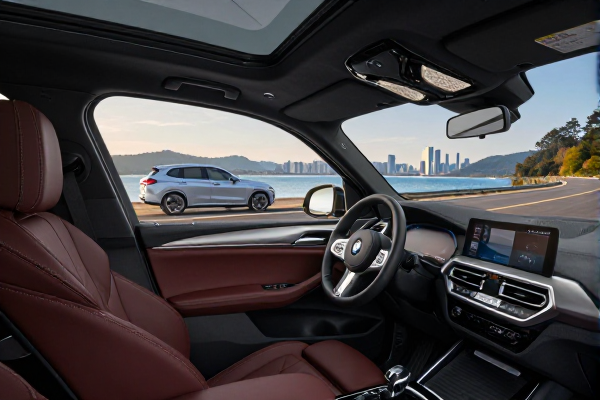
Inside the cabin, Porsche has revamped the infotainment suite with the new Digital Interaction system, boasting five times the computing power of its predecessor. Features include an AI-driven Voice Pilot for natural commands, deeper integration with Apple CarPlay and Android Auto, and a Charging Planner optimized for route efficiency. Practical updates include a magnetic wireless charging tray delivering 25 watts of power, along with a refreshed Paint to Sample catalog offering 153 color options. These tweaks underscore Porsche’s commitment to marrying luxury with cutting-edge technology.
Pricing for the 2027 Taycan starts at $111,900 for the rear-wheel-drive model, excluding a $2,350 delivery fee. Orders are open globally, with deliveries slated to begin in Fall 2026. While specific details for markets like Australia remain pending, industry observers expect localized announcements by early 2025. The Taycan Turbo GT, equipped with the track-focused Weissach Package, omits the NACS port—a nod to its racing pedigree—but still benefits from the E-Shift and battery upgrades.
From an exclusive perspective, Porsche’s strategy reveals a nuanced approach to EV adoption. Interviews with engineers suggest that the E-Shift system underwent extensive testing on circuits like the Nürburgring, where the Taycan Turbo GT with a Manthey kit clocked a record 6:55.553 lap time. This emphasis on performance authenticity highlights Porsche’s dedication to maintaining its sports car ethos in the electric era. Moreover, consumer surveys indicate that features like simulated gears could sway traditional sports car buyers toward EVs, potentially accelerating market transition.
In conclusion, Porsche’s 2027 Taycan updates represent more than mere technical enhancements; they symbolize a cultural shift in how automakers address driver engagement. By leveraging virtual technology to evoke mechanical sensations, Porsche sets a new benchmark for emotional connectivity in EVs. As emissions regulations tighten, such innovations may become critical for preserving the joy of driving, ensuring that the future of performance remains vibrant and immersive.