Browse

Log in / Register
 Share
Share
March 9, 2024 — Volvo’s luxury electric offshoot, Polestar, has outlined an ambitious global expansion plan for its vehicle lineup. A key component of that strategy, the compact Polestar 7 SUV, is officially slated for a 2028 debut. However, a recent U.S. regulatory shift has cast significant doubt on the model’s availability for American consumers, potentially altering the brand's trajectory in one of its key markets.
The pivotal change stems from the U.S. Department of Commerce's finalized Connected Vehicle Rule. This regulation imposes restrictions on the sale of new vehicles containing specific software or hardware linked to what the government terms "foreign adversary" nations, including China. Polestar, which is owned by China's Geely and Volvo Cars, is directly impacted. In response, the automaker has announced a strategic pivot, stating it will cease new vehicle imports to the United States once current dealer inventory is sold. This move strongly suggests the Polestar 7 will not reach U.S. showrooms for the 2028 model year barring a future policy revision.
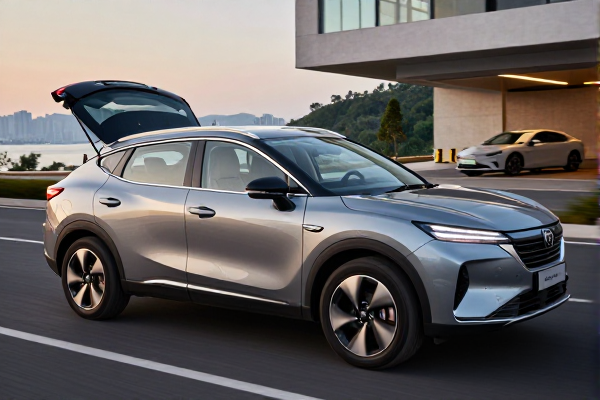
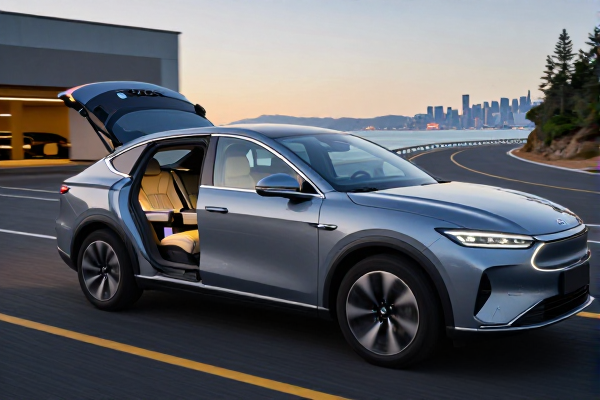
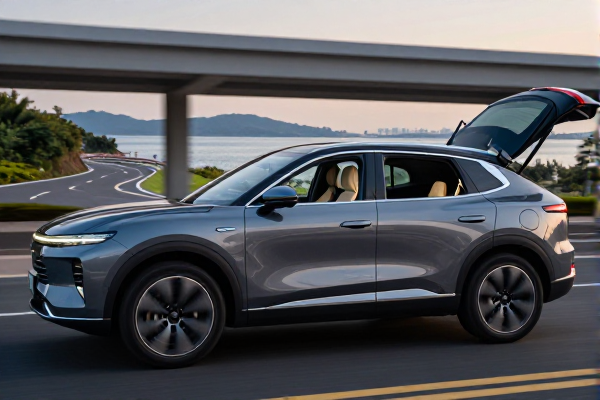
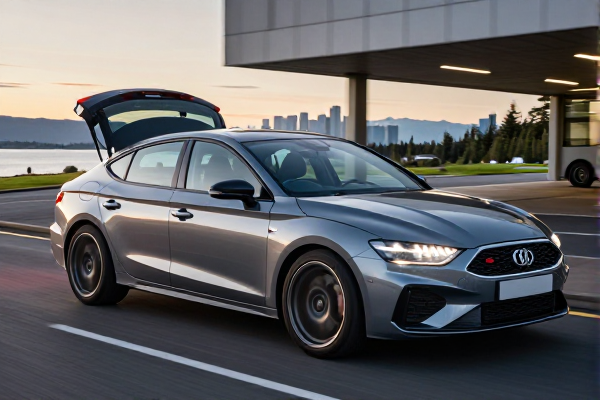
Despite the market access uncertainty, design expectations for the Polestar 7 are beginning to take shape based on the brand's evolving design language. While official images remain under wraps, the 7 is anticipated to be a compact SUV that carries forward Polestar's signature minimalist and athletic aesthetics. This likely translates to distinctive T-shaped daytime running lights, a sleek and uncluttered front fascia, and the brand's characteristic clean, sculpted body surfacing. The rear end may feature slim, connected taillights and a purposeful bumper design, emphasizing a cohesive and modern look.
An Exclusive Perspective on Market Positioning and Strategy
Industry analysts suggest Polestar's potential U.S. absence opens a door for competitors while pressuring the brand to solidify its European foothold. "This regulatory environment forces Polestar to double down on Europe, where consumer appetite for premium EVs remains strong and supply chains are being rapidly localized," noted an automotive strategy consultant specializing in electrification. "The Polestar 7 becomes even more critical for their success in that region, potentially receiving more tailored features and a faster rollout there." This strategic recalibration means the SUV's development may now prioritize European preferences in connectivity, charging standards, and even performance tuning.
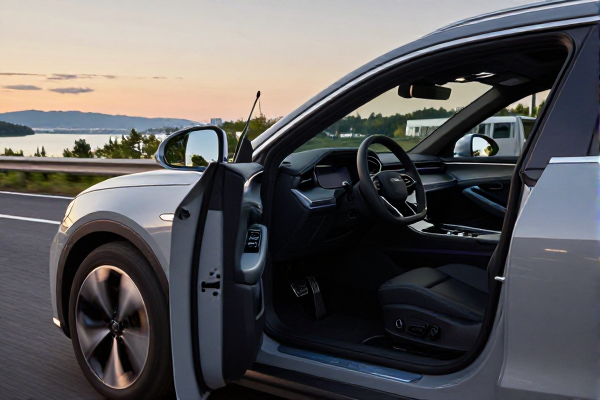
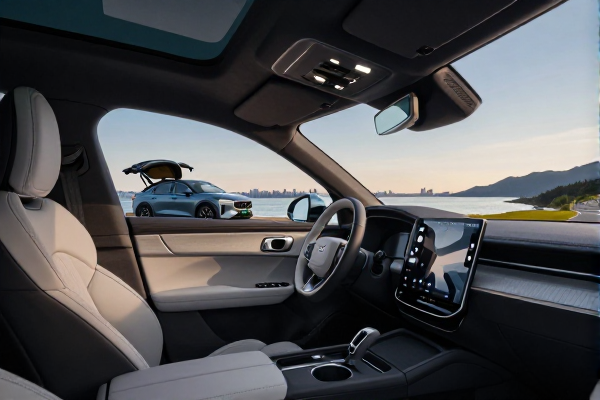
Inside the cabin, the Polestar 7 is predicted to continue the Scandinavian-inspired theme of simplicity and digital integration seen in models like the Polestar 2 and 4. Drivers can expect a spacious, minimalist dashboard dominated by a large, portrait-oriented central touchscreen running an advanced version of Polestar's Android Automotive OS. A compact digital instrument cluster, minimalist physical controls, and high-quality, sustainable materials are all expected to be standard, aligning with the brand's tech-forward luxury ethos.
Technical specifications and performance figures remain officially unconfirmed. However, as an all-electric model built on one of Geely's advanced EV platforms, it is almost certain to offer both single-motor rear-wheel-drive and dual-motor all-wheel-drive configurations. Battery capacity and range targets are unknown but would need to be competitive in a segment that includes the Genesis GV60, Audi Q4 e-tron, and Mercedes-Benz EQB.
Safety is a cornerstone of the Polestar and Volvo heritage. Should the vehicle eventually be revised for a U.S. return, it would undoubtedly be equipped with a comprehensive suite of advanced driver-assistance systems (ADAS). Standard offerings would likely include automatic emergency braking with pedestrian and cyclist detection, lane-keeping assist, blind-spot monitoring with rear cross-traffic alert, and a 360-degree surround-view camera system. The full deployment of these features in the U.S., however, remains contingent on the regulatory landscape.
Pricing is a major question mark for American audiences. Prior to the policy announcement, the Polestar 7 was anticipated to slot below the larger Polestar 3 SUV in price and size. With the Polestar 3 starting around $73,400, a starting price in the mid-$50,000 to low-$60,000 range seemed plausible for the 7. Given the current import strategy, U.S.-specific pricing may simply not be developed. Company executives have emphasized offering "progressive, performance-driven" cars at attractive price points for the European market, which may be the primary focus for the 7's launch economics.
The official release date for the Polestar 7 is broadly "2028." The precise timing of its global debut and initial deliveries is undisclosed. For U.S. customers, the timeline is now indefinite. The brand's future stateside hinges on potential adaptations to its supply chain and software architecture to comply with U.S. regulations, a process that could take years. For now, Polestar's immediate U.S. focus is on selling through existing inventory of the Polestar 2 sedan.
The situation surrounding the Polestar 7 underscores the increasing complexity of global automotive trade, where technology and geopolitics intersect directly with consumer product planning. While the compact luxury EV promises to be a compelling product on paper, its journey to American driveways faces a formidable and unpredictable hurdle.