Browse

Log in / Register
 Share

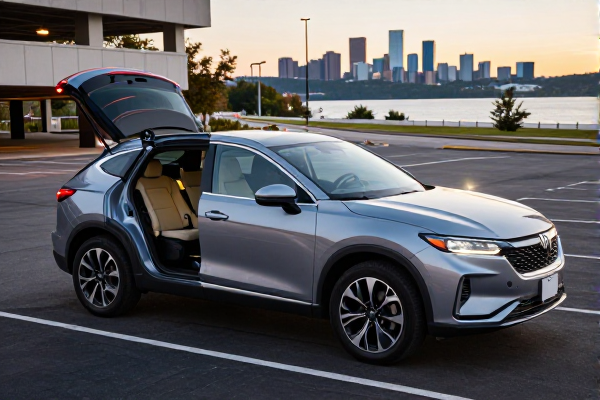
Cincinnati — May 7, 2026 — Cincinnati city leaders want stricter security rules at parking lots and garages after repeated vehicle break-ins, especially thefts in which guns are stolen from parked vehicles. The effort is still taking shape, but the direction is clear: surface lots and garages will be expected to do more than simply collect fees and let drivers take their chances.
For many drivers, finding a parking spot is only the beginning. The walk back to the car is where the trouble starts. Windows are smashed in broad daylight, electronics disappear from back seats, and thieves move through garage stairwells without being challenged. City officials say the problem is concentrated in commercial districts and areas with nightlife, but it shows up in residential lots too.
What makes the current wave different is that guns, not just laptops, are being left inside vehicles. A handgun stowed under the seat for convenience can end up on the street within hours. Once police recover a firearm in connection with a shooting, they may find that it had been reported stolen months earlier from a parking garage on the other side of town.
Drivers often tell police they only left the car for a few minutes. That is all a thief needs. In many of these incidents, the gun owner was not necessarily careless; they were going into a building where carrying a firearm was not allowed or practical. The parking spot, in those cases, became the weak point.
That is the missing link Cincinnati wants to break. Instead of treating parking-lot break-ins as separate from violent crime, city leaders are treating them as connected events. The phrase being used around City Hall is "prevention before possession": keep the gun from being stolen, and the whole chain of harm is interrupted. Better parking security is one way to do that.
The plan being discussed would set a citywide security baseline for commercial parking facilities. Not every lot would have to become a fortress, but each would need to meet basic standards. The most likely items are better lighting, working cameras, consistent patrols, and access controls.
Other ideas include requiring parking operators to keep an entry log of license plates, using gates that cannot be opened by someone walking by, and posting notices that firearms should never be left in unattended vehicles. Some new garages already do this. The city wants to bring the older, darker lots up to the same level.
The security requirements could be tied to the permit or license a business needs to operate a paid parking lot. That would make compliance simpler to enforce. If a lot loses its license, it cannot keep charging for parking. That type of leverage is likely to be part of the conversation, even if it is not in the first draft.
Mandatory upgrades do not come cheap. Adding a video-management system can cost thousands of dollars, and monthly storage fees add up quickly. Older garages may need rewiring and new light fixtures. A small surface lot with one attendant might not have the profit margin to absorb those costs right away.
Parking industry groups are expected to ask the city for a phase-in period and some form of assistance. They may also question whether new rules should apply to lots that are only used during special events, such as a Bengals game or a concert, when risk is highest and revenue is intermittent.
Supporters say drivers already pay premium prices for downtown parking, so they have a right to expect security. Tourists and residents who feel unsafe will choose to park elsewhere or not come at all, and that lost spending hurts the entire city more than a camera bill hurts a parking owner.
The decision here is being watched by other cities as much as by local operators. Vehicle break-ins have become one of the top ways that stolen firearms end up in criminal hands. Federal reports on crime guns have consistently found that personal vehicles are a common source of stolen weapons. Cities across the country are beginning to treat a bright light at the rear of a parking lot as a gun-violence prevention tool, not just a convenience.
The Cincinnati proposal flips the old argument around. For years, drivers were told to hide their valuables and keep doors locked. The new message is that parking facilities themselves must take responsibility for the environment. A dark stairwell is not a neutral setting; it is an invitation.
Until the new rules take effect, police advise taking simple precautions. Do not wait until arriving at the parking garage to hide valuables; do that before leaving home. Avoid leaving a gun in the car unless there is no lawful alternative. Park near active camera coverage when possible and choose attended lots over unattended ones.
It may also be worth paying a little more for a lot with a gate and regular patrols. That extra dollar at the meter could be the difference between a safe evening and an insurance claim. Drivers should also remember to record any visible damage and contact police immediately so the incident is properly documented.
The city has not yet introduced a final ordinance, but the topic is now part of the council’s discussions. Public meetings are expected in the coming months, giving residents and parking operators a chance to comment. If the measure passes, enforcement could begin before the end of the year.
No one is promising that stricter security will end every car break-in. But for Cincinnati, the conversation has moved beyond asking drivers to remember to roll up their windows. Parking lots and garages are no longer just places to leave a car. They are part of the city’s public-safety infrastructure.