Browse

Log in / Register
 Share
Share
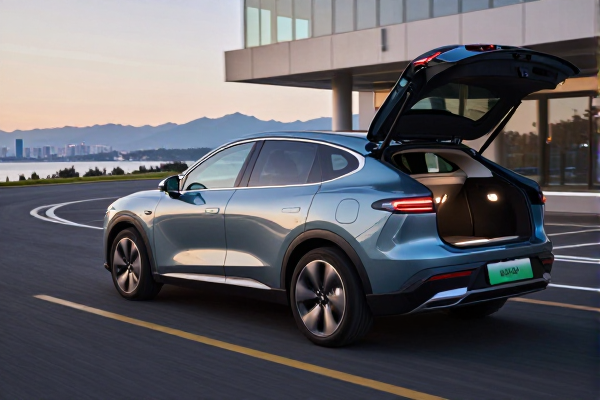
May 26, 2024 — In a significant move to bring self-driving cars to mainstream roads, NVIDIA has broadened the alliance for its DRIVE Hyperion platform. The tech giant is integrating expertise from manufacturing, ride-hailing, and AI software sectors, partnering with Foxconn, VinFast, Uber, Autobrains, and HUMAIN. This collaborative push aims to fast-track the development and large-scale deployment of Level 4 autonomous robotaxi services, with initial focus on markets in Asia, Europe, and the Middle East.
The expansion transforms the DRIVE Hyperion platform from a primarily hardware-and-software development kit into a more comprehensive, ecosystem-driven solution. By bringing onboard partners with distinct capabilities, NVIDIA is addressing the full spectrum of challenges required for commercial robotaxi operations. This includes vehicle design and manufacturing, fleet management, AI-driven perception systems, and real-world deployment logistics, creating a more viable pathway from prototyping to public roads.
Foxconn's role is pivotal, as the electronics manufacturing powerhouse will leverage the DRIVE Hyperion platform to build electric vehicle (EV) platforms specifically engineered for autonomy. This provides a critical, scalable manufacturing backbone for automakers and mobility companies looking to launch robotaxi fleets without developing their own specialized EV architectures from scratch. It signifies a major step toward standardizing the "rolling chassis" for future autonomous mobility services.
VinFast, the ambitious Vietnamese EV maker, plans to utilize the platform for its own autonomous driving initiatives. This partnership could accelerate VinFast's plans to incorporate high-level automation into its vehicle lineup, potentially giving it a competitive edge in the Southeast Asian market and beyond. For NVIDIA, securing an automotive OEM as a partner validates the Hyperion platform's applicability for production vehicles, not just research prototypes.
On the service and software front, Uber brings its vast network and ride-hailing expertise to the table. The collaboration will focus on integrating robotaxi services into Uber's platform, which is crucial for defining the user experience, pricing models, and operational integration of autonomous vehicles within existing urban transit ecosystems. Simultaneously, AI software companies Autobrains and HUMAIN are set to contribute their next-generation perception and reasoning technologies, aiming to enhance the safety and decision-making capabilities of the DRIVE Hyperion stack in complex driving environments.
This multi-pronged partnership strategy arrives as the autonomous vehicle industry enters a more pragmatic phase. After years of promise and testing, the focus has shifted from pure technological marvel to achieving commercial viability and regulatory approval. NVIDIA's approach of building a fortified ecosystem, rather than going it alone, reflects an industry-wide understanding that no single company can solve the immense technical, manufacturing, and operational hurdles of driverless taxis.
The targeted rollout across Asia, Europe, and the Middle East is strategically astute. These regions present diverse but substantial opportunities, with growing urbanization, supportive regulatory pilots in certain areas, and significant investments in smart city infrastructure. They may offer faster pathways to initial deployment than more complex or saturated markets like the United States, allowing NVIDIA and its partners to refine their systems in varied real-world conditions.
From an industry perspective, this expansion signals a potential consolidation around a few dominant "full-stack" platforms. NVIDIA's move positions DRIVE Hyperion as a leading contender to become the default architecture for future robotaxi services, much like Android or iOS in smartphones. The success of this ecosystem could dictate the pace and shape of autonomous mobility adoption globally for the next decade.
The partnership also highlights the evolving competitive landscape. NVIDIA is not just competing with other chipmakers but with entire mobility ecosystems being built by companies like Waymo, Cruise, and Tesla. By offering an open(ish) platform to automakers and tech firms, NVIDIA is betting on a collaborative model to outpace vertically integrated rivals, leveraging the collective innovation of its partners to accelerate the entire industry's timeline.
For investors and observers, the key metrics to watch will be the announcement of concrete pilot programs, scaling of manufacturing agreements through Foxconn, and progress toward regulatory certification in the target regions. The real test for this expanded ecosystem will be the transition from announced partnerships to passenger-carrying robotaxis operating without safety drivers in multiple cities around the world.