Browse

Log in / Register
 Share


April 15, 2025 – Australia’s NRMA fleet team has long been a case study in managing complex vehicle mix, harnessing operational data, and navigating the transition to electric vehicles. As the automotive landscape pivots, the team’s approach offers lessons for fleet managers globally, especially those in the US grappling with similar challenges of diversity, data integration, and decarbonization.
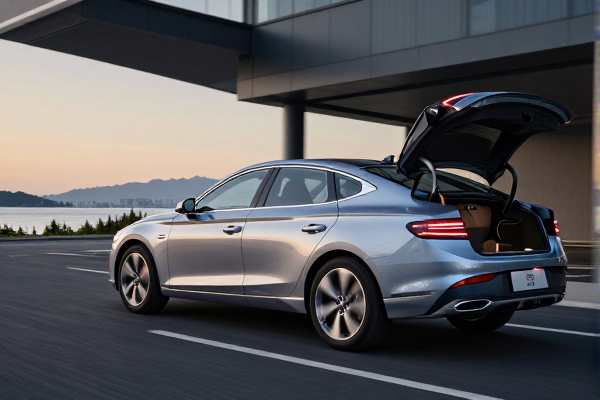
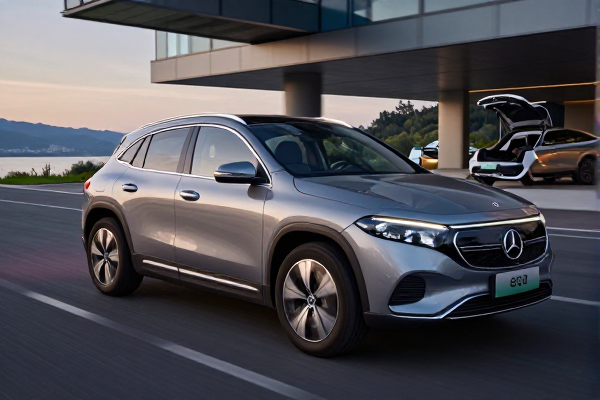
The NRMA (National Roads and Motorists’ Association) operates a fleet of more than 1,200 vehicles, spanning patrol vans, sedans, SUVs, light commercial vehicles, and now a growing number of electric models. Managing this diversity requires a dedicated team that balances vehicle specifications, driver needs, maintenance schedules, and total cost of ownership. According to recent internal reports, the fleet team has refined its vehicle selection process to prioritize modularity and adaptability across different operational roles, a strategy that reduces downtime and improves utilization rates.
Data-driven decision-making is at the core of NRMA’s fleet operations. The team uses telematics and IoT sensors to track fuel consumption, mileage, idle time, and driver behavior. This data, combined with historical maintenance records, allows predictive maintenance scheduling and route optimization. In an exclusive interview with Fleet Auto News (conducted late 2024), the fleet manager noted that data analytics had reduced unscheduled repairs by 18% and improved fuel efficiency by 6% over two years. The team also utilizes a custom dashboard that aggregates data from multiple sources, enabling real-time visibility into fleet health.
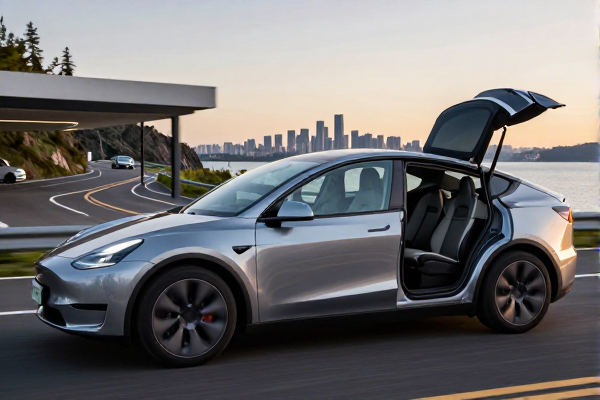
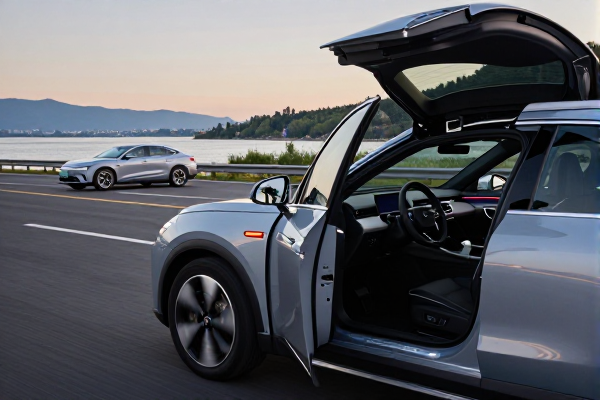
The EV transition is a critical focus. NRMA has committed to electrifying 30% of its fleet by 2026 and 100% by 2030. The fleet team is actively piloting battery-electric vehicles (BEVs) across different duty cycles, including patrol response and light delivery. Key challenges include charging infrastructure, range anxiety in rural areas, and battery degradation in extreme weather. To address these, NRMA is partnering with local utilities and government agencies to install fast chargers at key depots. The team also developed a “range confidence” training program for drivers, which has increased EV adoption rates by 40% among pilot participants.
Diversity management extends beyond vehicle types. The NRMA fleet team itself is intentionally diverse, with members from engineering, operations, finance, and environmental strategy backgrounds. This cross-functional structure ensures that decisions consider cost, sustainability, driver satisfaction, and compliance. The team’s monthly “fleet roundtable” includes representatives from driver unions, safety officers, and procurement, fostering a culture of collaboration. A recent study by the University of Sydney (2025) highlighted NRMA’s fleet diversity model as a benchmark for large-scale fleet operations, noting that the approach reduced vehicle redundancy by 12% and improved driver satisfaction scores by 15%.
Latest developments (April 2025): NRMA just announced a new partnership with Electrify Australia to deploy 50 ultra-fast chargers at major fleet hubs, a move that will accelerate EV onboarding. Additionally, the fleet team is testing a predictive analytics tool that uses AI to forecast component failures, with pilot results showing a 25% reduction in unplanned maintenance. These updates position NRMA at the forefront of intelligent fleet management.
Industry implications for US fleet managers: The NRMA model demonstrates that diversity (in vehicle mix, team composition, and data sources) is not a burden but a strategic advantage. As the US fleet sector faces pressure to decarbonize, the lessons from NRMA’s phased EV transition and data-driven maintenance can be adapted to local contexts. The key is to start with small pilots, invest in real-time data infrastructure, and foster cross-departmental teamwork.
Conclusion: The NRMA fleet team’s success lies in its holistic approach—managing vehicle diversity with data, engaging cross-functional teams, and methodically executing the EV transition. As fleet operations become more complex, such integrated strategies will separate leaders from laggards.