Browse

Log in / Register
 Share

Updated June 3, 2026
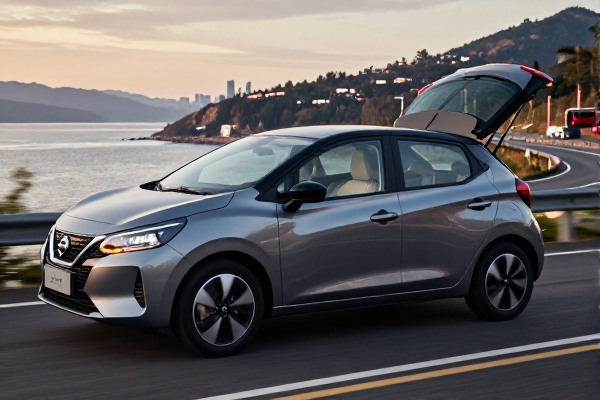
Nissan has unveiled the Pixo, a new A-segment electric hatchback built specifically for European city driving. The model pairs a 27.5kWh lithium iron phosphate battery with up to 259km (roughly 161 miles) of WLTP range and makes 50kW DC fast charging standard across the lineup. It also becomes the first Nissan sold in Europe to use LFP chemistry. Renault will assemble the car at its Novo Mesto plant in Slovenia, with deliveries starting in early 2027 and pricing expected to be announced from December 2026.
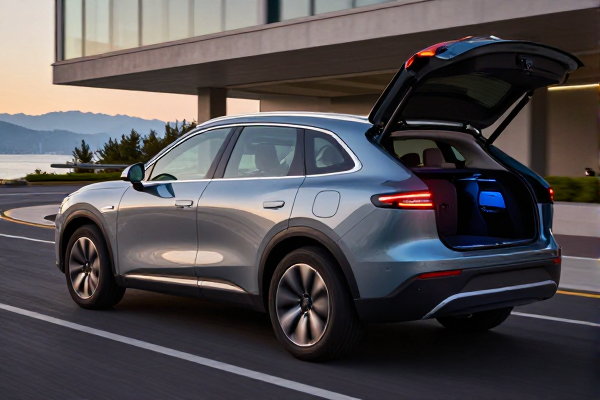
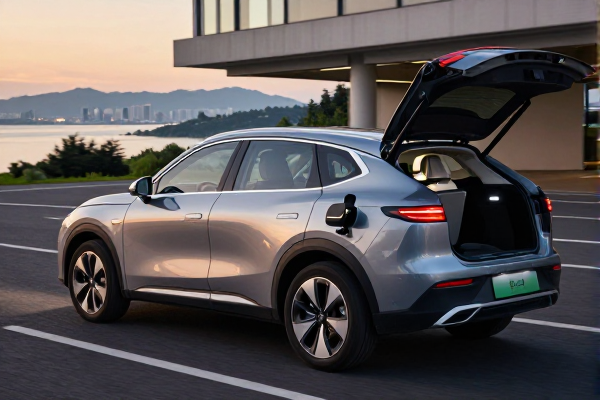
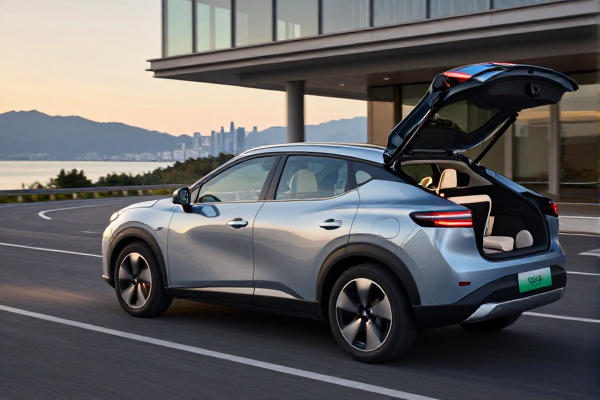
The Pixo measures 3,796mm in length and 1,790mm in width, with a 2,492mm wheelbase — a footprint Nissan says keeps parking simple. A 9.9-meter (about 32.5-foot) turning circle helps on narrow streets and in garages. Inside, the hatchback seats four adults, and the rear seats slide independently, letting passengers choose between legroom and luggage space on a trip-by-trip basis.
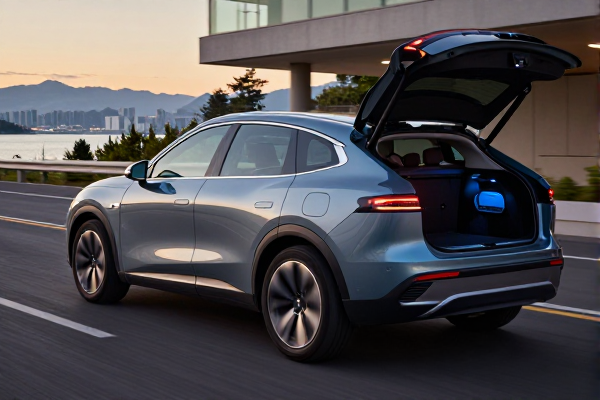
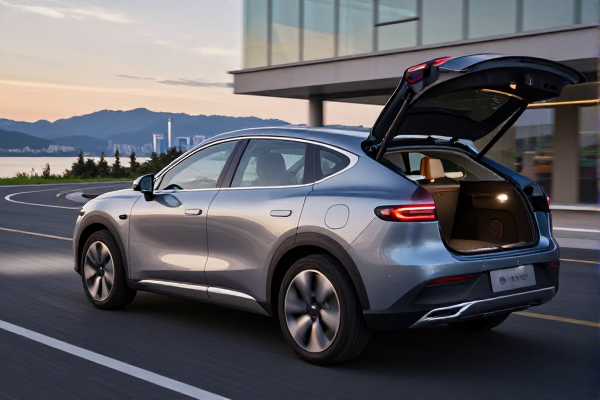
For a segment where rear-seat comfort is usually an afterthought, the Pixo's focus on usable accommodation stands out. The sliding bench effectively lets the car behave as either a four-seater with generous cargo space or a compact people-carrier, depending on the day's needs. Luggage capacity sits at 356 liters (12.6 cubic feet) with the seats in place and grows to 1,221 liters (43.1 cubic feet) when folded. Nissan also carved out 18 liters of extra storage around the cabin, plus a dedicated 50-liter compartment designed specifically for charging cables.
The Pixo introduces lithium iron phosphate battery tech to Nissan's European lineup for the first time. LFP cells are generally cheaper and more durable than nickel-manganese-cobalt packs, making them a natural fit for a small, affordable EV. The 27.5kWh battery delivers up to 259km on the WLTP cycle — enough for the daily urban mileage most owners will actually accumulate. US readers should keep in mind that WLTP numbers usually translate to a more conservative EPA figure; a hypothetical American version would likely show a shorter official range.
Charging is where the Pixo punches above its weight. Every version includes 50kW DC fast charging, capable of topping the pack from 15% to 80% in about 28 minutes. That's a meaningful advantage over several budget EVs that still make do with slower charging. For overnight top-ups, an 11kW AC system is available and supports bidirectional charging, meaning the car can send energy back to a compatible home setup or the grid. A front-mounted motor rated at 80.4bhp drives the front wheels, and Nissan's One Pedal mode uses regenerative braking to handle most deceleration in stop-and-go traffic.
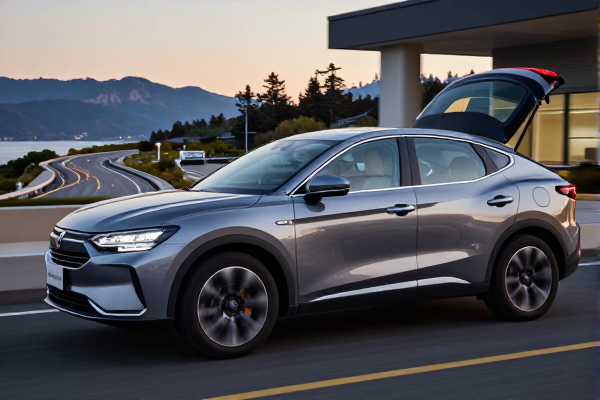
The Pixo's styling deliberately breaks from Nissan's usual compact-car design language. A boxier silhouette, pixel-inspired lighting, and a sculpted front bumper combine to create what Nissan calls a "robot face" — a characterful look meant to make the little hatchback stand out on the road. Around the body, Nissan has hidden 23 Easter eggs referencing the Japanese pronunciation of the brand name, "Ni-San," rewarding owners who look closely.
Distinctive design is increasingly a deciding factor in this corner of the market, and Nissan is betting that buyers want a small EV with an actual identity. Standard driver assistance is generous for the segment, too: adaptive cruise control with stop-and-go, lane departure warning, and hands-free parking are all included on every trim.
Inside, the Pixo makes a strong case that small cars shouldn't feel basic. The dashboard combines a 7-inch driver display with a 10-inch infotainment touchscreen running Google built-in, which brings native navigation and connected services without needing a phone. Voice interaction is handled by Gemini, launching with support for 16 languages and dialects; the assistant draws on conversation history to sharpen its responses the longer it's used. Face ID lets the car recognize the driver and automatically restore their saved preferences, while the MyNissan app covers remote access and charging controls.
While many rivals in this class rely on simple smartphone mirroring, the Pixo's native integration is a step above. According to Nissan, the new model will sit alongside the current LEAF and the fresh Micra as part of the company's expanding European EV lineup.
This isn't the first time Nissan has used the Pixo badge. Between 2009 and 2012, the original Pixo was sold in Europe as a rebadged Suzuki Alto — a dependable but forgettable little runabout from an era when Nissan and Suzuki shared platforms. The 2027 model shares almost nothing with it. Instead of badge-engineered frugality, buyers get a purpose-built electric car developed within the Renault-Nissan alliance and assembled in Slovenia by Renault.
Reviving the name is a clever piece of shorthand: European buyers recognize it, and the new car gives it an entirely different meaning. It also shows how dramatically Nissan's small-car strategy has evolved in a little over a decade.
Nissan hasn't announced plans to sell the Pixo in North America, and the company's US EV push remains anchored by larger, more mainstream models. A compact city car with a 259km foreign-cycle range is a harder pitch in a market defined by long commutes and highway driving, and a US launch would face a separate set of regulatory hurdles.
Still, the underlying technology deserves attention. LFP batteries are fast becoming the default for affordable EVs worldwide, precisely because they lower cost without sacrificing much in everyday use. If the Pixo lands well in Europe, the packaging, pricing, and battery lessons will almost certainly influence future Nissan products elsewhere — even if this specific model never crosses the Atlantic.
The European A-segment EV field is getting tight. The Dacia Spring competes aggressively on price, Leapmotor's T03 offers a budget import option, the Citroën ë-C3 brings its own brand of French quirk, and the Hyundai Inster has raised the equipment bar. Plus, some of those rivals quote WLTP figures beyond 300km, which means the Pixo will have to win on features and charging rather than range alone.
Its advantages are clear: standard 50kW DC fast charging, the first European-market LFP battery from Nissan, and a connected cabin that most competitors in this price bracket don't match. The one missing piece is price, with Nissan planning to release specifications and European pricing from December 2026 ahead of deliveries in early 2027. If the company gets that number right, the Pixo could quickly become one of the most interesting small EVs to launch in Europe this year — and give Nissan a genuinely compelling gateway into electric ownership.