Browse

Log in / Register
 Share

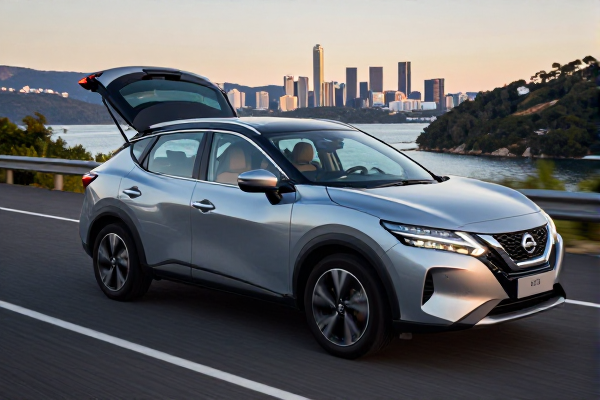
May 12, 2026 — Nissan’s newly installed Oceania boss isn’t losing sleep over the rapid rise of Chinese car brands in Australia. Steve Milette, who took over as Nissan’s managing director for Oceania in April, sees the current sales shift as a “perfect storm” driven by temporary conditions rather than a permanent change in the global auto order.
Milette, a former president of Nissan Canada, was most recently vice president for dealer network development, customer resources, training and customer experience for Nissan and Infiniti in the U.S. and Canada. In his first few months inside the Australian market, he said he was struck by how much ground Chinese newcomers have already covered — a level of presence that barely exists in North America.
Speaking to Australian automotive outlet CarsGuide, Milette said the success of Chinese brands in Australia didn’t happen overnight.
“But it is surprising, now it’s not an overnight success. Like it’s 10 years in the making for some of them,” he said. “Some of those brands have come and gone and come back, and so you’d think that consumers would remember that. You know that it could be temporary in nature.”
Milette argued that a set of unusual pressures has pushed buyers toward affordable electric cars from new entrants, especially in the past year. He pointed to higher fuel prices tied to the Middle East crisis, broader inflation, and another interest-rate increase in Australia as factors squeezing household budgets.
“But I do think that there’s like a perfect storm, right?” he said. “Of the Iran crisis, if you will, the spike in fuel prices, the hyperinflation, rates were up again yesterday in Australia, and so it does create pressure on the consumer.”
That pressure, he said, made inexpensive EVs from Chinese brands look especially attractive at exactly the right moment. Buyers weren’t necessarily pledging long-term loyalty to those brands; they were responding to short-term economic pain.
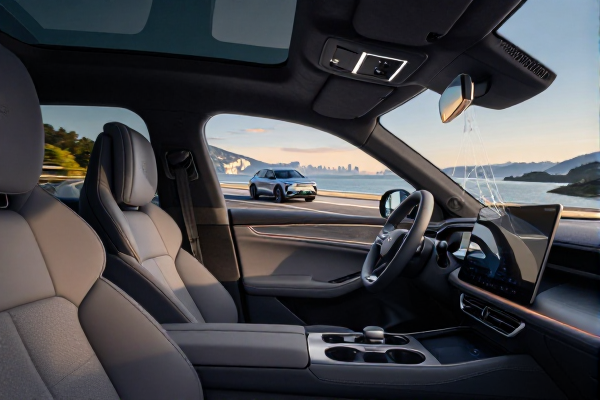
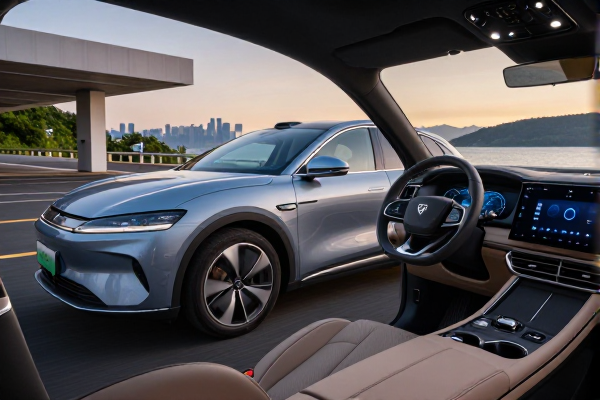
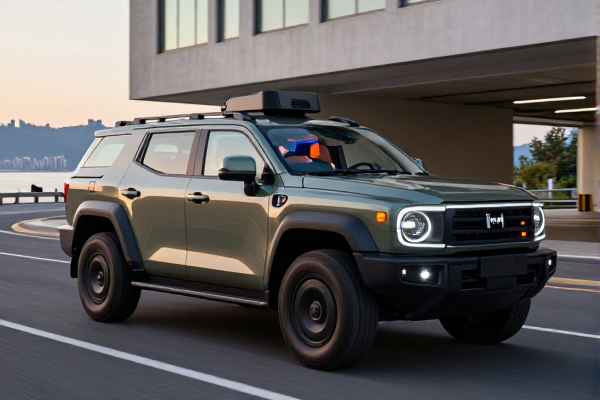
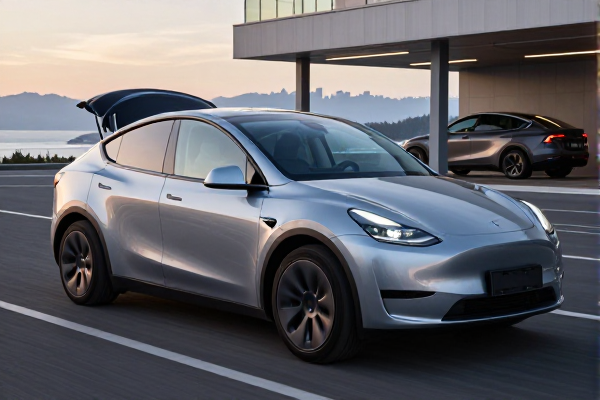
The latest Australian sales data shows how dramatic the shift has become. In the most recent month cited in the original report, Chinese brands recorded around 40,000 new-car sales, compared with roughly 23,000 from Japanese brands — the next-highest group. Four Chinese brands made the top 10 list, and five of the 10 best-selling models were produced in China.
Those figures reflect an Australian market that has become one of the most open testing grounds in the world for Chinese auto exports. While Chinese brands have minimal footprint in the U.S. due to tariffs and policy barriers, Australia offers them relatively easy access to consumers who are highly receptive to value-packed EVs.
That dynamic matters beyond Australia. The country’s sales trends are often treated as a leading indicator for how Chinese brands might perform in markets with fewer trade restrictions. Milette’s comments suggest that even legacy brands with deep history see the challenge — but they also see a market that can swing back.
Milette remains confident that the market will eventually “revert back to the mean,” citing past crises that resolved after causing short-term disruptions. He said the industry has a pattern of returning to a familiar balance once fuel prices stabilize and economic conditions ease.
“I do think all that will come back to the mean,” he said. “I think crisis or history shows that they’re always resolved, and everything reverts back to the mean.”
For Nissan’s local team, that means staying the course. Milette said the brand will continue focusing on its core values, its current vehicles, and close collaboration with dealers — rather than reinventing its strategy around a single sales report.
One thing that did surprise Milette was how much chatter surrounds Nissan’s long-term future in Australia. While Nissan’s local sales have declined year over year, Milette said the same is true for many traditional automakers.
“If you count sales volume as the criteria, most new entrants are at the top of the chart, and most legacy brands are at the bottom of the chart, and all of them, not just Nissan,” he said.
He also noticed a regional difference in how Nissan is discussed by the media and the public. In Canada and the U.S., he said, he had not heard questions about whether Nissan is here to stay in years. But in Australia, that rhetoric exists — sometimes even when Nissan is not the subject of the story.
“You know, there are articles written sometimes about legacy OEMs having a hard time, and you know some are leaving, and then they’ll show our logo,” Milette said. “But the article had nothing to do with us, and so we need to break through that because we’re not just here to survive; we’re here to thrive as a company.”
Milette’s perspective offers a counterpoint to the narrative that Chinese automakers have permanently disrupted established markets. While the data clearly shows a major shift in Australian buying habits, he argues that consumer behavior during a price shock is not always a reliable map for the future.
His approach aligns with Nissan’s global strategy of protecting profitability and dealer strength rather than chasing every short-term trend. The company’s broader restructuring plan, known as The Arc, focuses on a leaner product lineup, more electrified models, and disciplined sales growth. In his view, building long-term brand trust matters more than winning a monthly volume race.
For U.S. readers, the Australian situation is a useful case study. It shows what happens when Chinese brands enter a market with few barriers: they scale quickly and grab share with low-priced EVs. But it also shows that legacy players are not retreating. Their survival, Milette argues, depends on staying grounded while the noise around them settles.
Whether the market actually reverts to historical patterns remains to be seen. But Milette’s message is clear: the perfect storm may not last, and Nissan intends to be in a stronger position when the skies clear.