Browse

Log in / Register
 Share

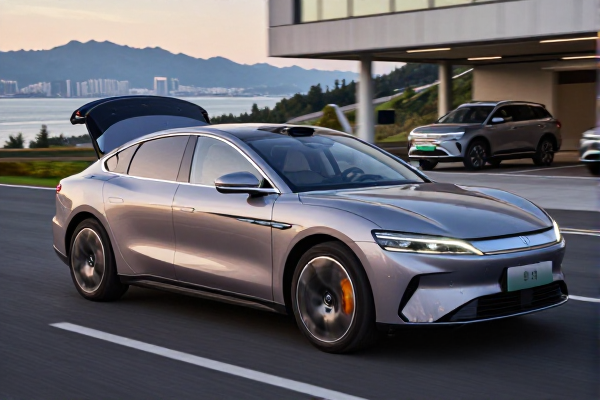
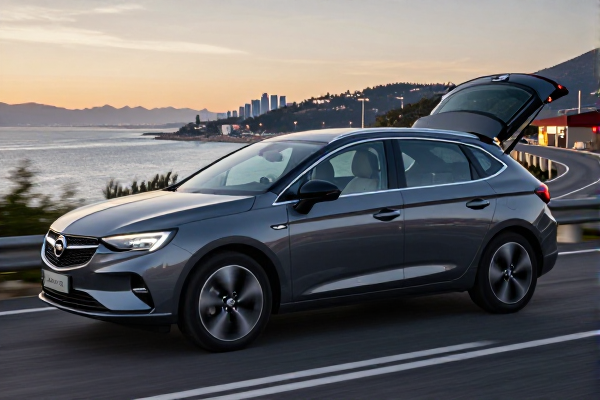
The Nio Firefly, the Chinese brand's compact city hatchback, has just received a major battery upgrade in its home market. The 2026 model now uses a 60kWh CATL pack, lifting its claimed driving range to 560km under CLTC standards. That's a sizeable jump from the earlier 42kWh battery, which was rated at 420km.
The Firefly is one of the most closely watched affordable EVs in export markets. While Nio has not officially confirmed U.S. availability, the update signals how quickly Chinese automakers are pushing technology down into entry-level models. For American buyers, it also highlights the features and pricing that are likely to shape a future wave of global compact EVs.
The headline change is straightforward. Nio replaced the Firefly's 42kWh battery with a 60kWh unit from CATL, the world's largest EV battery producer. That boosts the official CLTC range to 560km, a gain of 140km over the previous version.
CLTC is a generous testing standard. It usually returns higher numbers than WLTP or EPA, so real-world range will be lower. Still, even after accounting for that difference, the Firefly should deliver meaningful extra driving distance compared to its older version—something buyers will feel on longer trips.
The Firefly's electric motor remains a single unit producing 122kW and 205Nm. It drives the rear wheels, which gives it a different character from many front-drive competitors. The output is more powerful than the Geely EX2's 67kW or 85kW and 150Nm, making the Firefly the stronger performer of the two in daily driving.
Nio has positioned the Firefly as a slightly premium alternative to the cheapest EVs on the market. In Australia, a likely destination for the brand, the Firefly would join a fast-growing budget segment that includes the BYD Atto 1 compact SUV and the Geely EX2 hatchback.
At 4003mm long, the Firefly is longer than the Atto 1 (3990mm) but shorter than the EX2 (4135mm). That makes it a practical urban footprint with enough interior room for passengers and cargo.
Range is a key advantage. The Firefly's 560km CLTC figure compares favourably with the top-spec Atto 1's 310km WLTP range and the EX2's 345km WLTP range. Those figures use different testing cycles, so they aren't directly comparable, but the Firefly's larger battery clearly puts it in a different league.
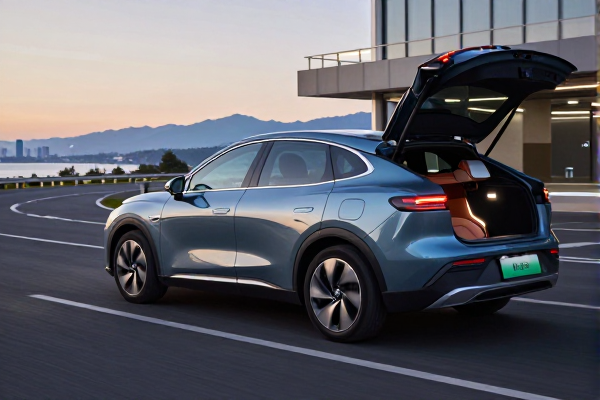
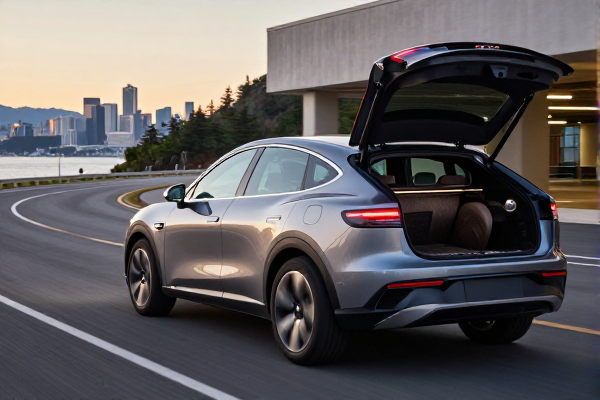
Storage is also a strong point. The Firefly offers almost 500 litres of cargo space with the rear seats in place, plus a 92-litre front trunk. That's useful for weekly shopping, weekend bags, or charging equipment.
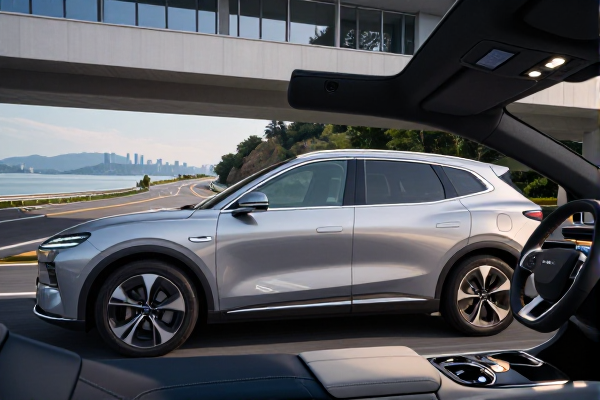
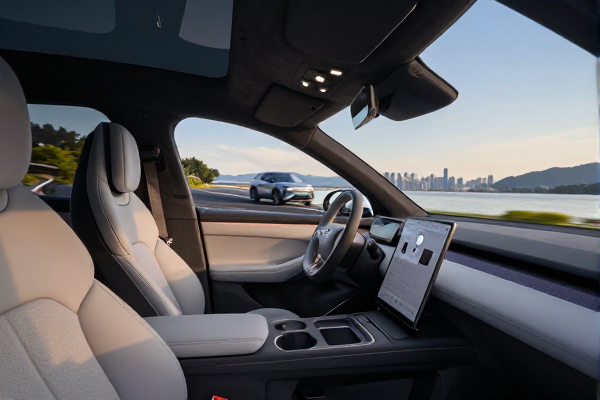
Inside, the Firefly keeps a clean, modern layout. There's a 6.0-inch digital driver display and a 13.2-inch central touchscreen. The walk-through design between the driver and passenger seats is a clever touch, making it easier to slide across in tight parking spots or when the other side is blocked.
The interior appears to be aimed at buyers who want an EV that feels more premium than what the entry price might suggest. Nio has done that successfully with its larger models, and the Firefly seems to follow the same playbook.
One area to watch is how much equipment is included in the base price. Chinese EV makers often add generous standard features, which can make them even more attractive against legacy-brand rivals.
Nio's Battery-as-a-Service program is another differentiator. Instead of buying the battery with the car, customers can purchase the vehicle shell at a lower initial price and pay a monthly subscription for the battery.
In China, the Firefly's starting price with BaaS drops from 119,800 yuan to 79,800 yuan. That works out to roughly A$25,000 and A$17,000 respectively when converted directly. The model is intended to reduce upfront costs and ease concerns about battery degradation, though it does add a recurring cost that must be factored into ownership.
BaaS has worked well in China because Nio operates a growing network of battery swap stations. Expanding that infrastructure to other countries is a major undertaking. In Thailand, where the Firefly went on sale in March 2026, the car is priced from the equivalent of A$35,000. That gives a realistic benchmark for pricing if it arrives in Australia or other right-hand-drive markets.
The United States is not currently on Nio's public launch map. Chinese-built EVs face significant tariffs in the U.S., and Nio's brand identity is still being established outside China. But the Firefly's update matters to U.S. buyers for two reasons.
First, it shows that affordable EVs are advancing quickly in other markets. When trade conditions eventually allow more Chinese models into the U.S., consumers will be looking at cars with much better range and equipment than the early-generation budget EVs of just a few years ago.
Second, the Firefly demonstrates the appeal of a compact EV with a long battery range. Many American drivers have range anxiety, especially with smaller vehicles. If a car in this size class can offer more than 500km of range on a generous test cycle—and do it at an entry-level price—it removes one of the biggest barriers to EV adoption.
Nio is expanding carefully beyond China. The Firefly's launch in Thailand, a right-hand-drive market, has fueled speculation that Australia is next. The brand has said little about exact timing or which models would be offered, but the Firefly is an obvious candidate because of its size and price.
If the Firefly reaches Australian showrooms, analysts expect it to sell for more than A$30,000 once import costs, taxes, and local preparation are added. Nio's premium positioning suggests it will not undercut rivals like the BYD Atto 1 on price. Instead, it will try to win buyers with a more distinctive design, higher range, and the optional BaaS model.
For now, the updated 60kWh Firefly is an compelling example of how far budget EVs have come. It's no longer enough simply to be cheap—range, technology, and ownership flexibility are becoming just as important. Nio's latest move may be aimed at China and Australia, but it sends a clear signal to the entire industry: the battle for affordable electric cars is only getting more intense.
The Firefly might not be on sale in the U.S. today, but the way it's evolving tells an important story. A compact EV with a big battery and a lower-cost subscription option is within sight. When that kind of car becomes accessible in America, the market will change quickly.