Browse

Log in / Register
 Share

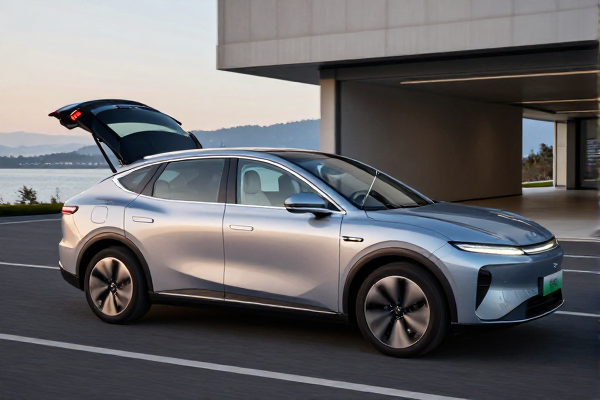
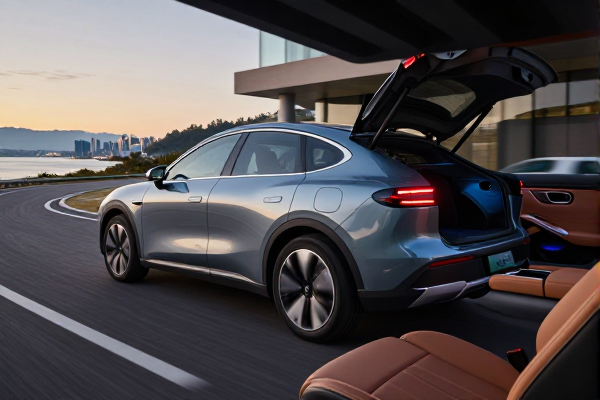
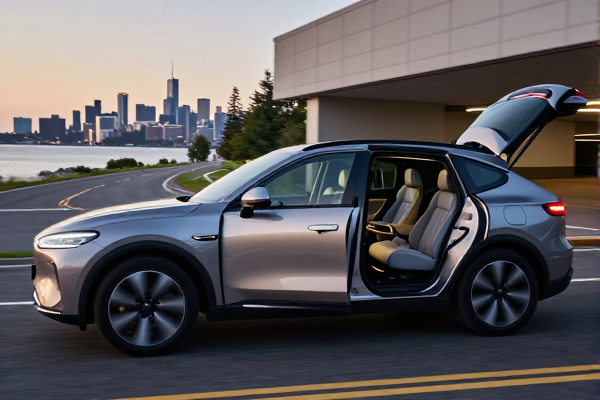
October 1, 2023 – The automotive industry is abuzz with the debut of the NamX hydrogen energy car, a pioneering concept that delivers an impressive 932-mile range and refuels in a mere five seconds. Developed by French-Moroccan startup NamX, this vehicle introduces interchangeable hydrogen capsules, aiming to overcome the infrastructure gaps that have hindered hydrogen fuel cell adoption. With zero carbon emissions and rapid refueling, this innovation challenges electric vehicles (EVs) in the race toward sustainable mobility, offering a fresh perspective on clean transportation solutions.
The NamX HUV distinguishes itself through a modular design featuring swappable hydrogen tanks, a departure from conventional hydrogen cars dependent on fixed fueling stations. This approach allows users to replace capsules effortlessly, similar to swapping batteries in everyday devices, enhancing convenience and addressing the sparse hydrogen infrastructure in regions like the United States. Capable of traveling up to 932 miles on a single fill, the NamX surpasses most EVs in range, while its five-second refuel time rivals gasoline vehicles, potentially easing range anxiety for long-distance drivers.
Hydrogen-powered transportation is not a novel idea, with roots dating back to the early 1800s when inventors like François Isaac de Rivaz experimented with hydrogen combustion engines. Progress accelerated in the mid-20th century with milestones such as General Motors' Electrovan in 1966, yet hydrogen cars have often been eclipsed by EVs in recent decades due to high costs and technological complexity. Early adopters, including celebrity Jack Nicholson with a hydrogen prototype, underscore the lasting intrigue, but widespread adoption has been slow amid evolving energy priorities.
In today's market, hydrogen vehicles are frequently viewed as secondary to battery electric vehicles (BEVs), with critics like Joseph J. Romm in "The Hype About Hydrogen" questioning their efficiency and expense. The intricate process of converting hydrogen into fuel drives up production costs, while the limited network of hydrogen stations in the U.S. remains a significant barrier. However, innovations like NamX's portable capsules could mitigate these issues, offering a more flexible refueling model that aligns with consumer habits and reduces dependency on fixed infrastructure.
Exclusive insight: Recent U.S. policy shifts are poised to bolster hydrogen adoption, with the Biden administration's Infrastructure Investment and Jobs Act allocating $9.5 billion for clean hydrogen initiatives, including regional hubs and fueling stations. In 2023, states like California and Texas have announced expansions to their hydrogen networks, targeting over 100 new stations by 2025 to support growing fuel cell vehicle fleets. This federal and state support, combined with private sector breakthroughs like NamX, could accelerate hydrogen's mainstream integration, particularly for commercial and long-haul applications where EVs face limitations.
Comparing hydrogen cars to EVs reveals distinct advantages: hydrogen offers faster refueling and longer ranges, making it suitable for heavy-duty transport and areas with limited charging infrastructure. While EVs dominate consumer attention due to lower upfront costs and expanding charging networks, hydrogen fills a niche for those seeking quick turnaround times and extended travel without emissions. Industry analysts note that as technology matures and production scales, hydrogen vehicles could capture a dedicated market segment, complementing rather than competing directly with EVs in a diversified zero-emission landscape.
The future of hydrogen mobility hinges on continued innovation and regulatory backing. NamX's concept, if mass-produced, could democratize access by reducing infrastructure reliance, though challenges like sustainable hydrogen production and cost reduction persist. The historical timeline—from early engines to Toyota's Mirai—shows incremental progress, and with startups pushing boundaries, hydrogen cars may gain traction in the coming decade. Observers will monitor real-world testing and consumer response, as advancements in fuel cell efficiency and green hydrogen sources could reshape transportation dynamics.
Ultimately, the NamX hydrogen car symbolizes a potential shift in clean energy strategies, blending historical promise with modern ingenuity. As the U.S. and global markets evolve, hydrogen's role in decarbonizing transport will depend on collaborative efforts between governments, industries, and consumers. With exclusive updates on infrastructure developments and a focus on practical benefits, this innovation invites a reevaluation of hydrogen's place in the sustainable mobility ecosystem, paving the way for a more resilient and inclusive energy future.