Browse

Log in / Register
 Share


March 20, 2025
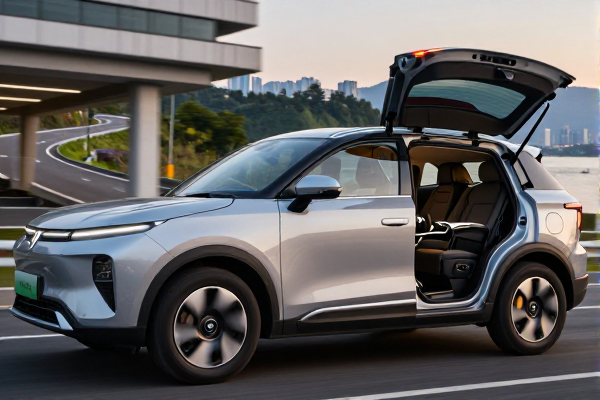
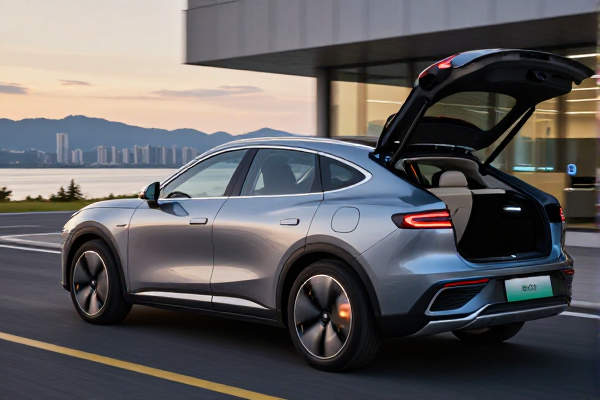
Seoul's Namsan No.3 Tunnel became the center of an online firestorm this week after a photo appeared to show a couple blocking the road for a wedding photoshoot. The image, shared widely on social media, drew harsh criticism for disrupting traffic and endangering drivers. But the person in the photo has now spoken out, revealing the truth: it was not a staged photoshoot, but a sudden vehicle breakdown.
The individual, who asked to remain anonymous, stated that they were driving to a graduate school graduation ceremony when the car malfunctioned. "I was not taking wedding photos. The car just broke down," they told a local media outlet. "I immediately turned on the emergency lights, placed a warning triangle behind the vehicle, and stood by the roadside giving hand signals to alert other drivers." The driver said they had no intention of causing a disturbance and had already contacted roadside assistance.
The original viral post, which claimed the couple deliberately blocked the tunnel for a photoshoot, has since been deleted. The person who originally posted the image later admitted they had not verified the situation before sharing it. The incident has sparked a broader conversation in South Korea about the dangers of online mob justice and the speed at which false narratives can spread.
According to the Seoul Metropolitan Government's Traffic Information Center, vehicle breakdowns inside major tunnels are not uncommon. "We receive an average of 3 to 5 reports of car trouble in Namsan No.3 Tunnel each month," a spokesperson told The Asia Business Daily. "In such cases, drivers are required to activate hazard lights, place a warning triangle at least 50 meters behind the car, and wait for assistance behind the guardrail." The spokesperson confirmed that the driver's actions in the photo were consistent with standard safety procedures.
Legal experts say the driver followed correct protocol. "Under the Korean Road Traffic Act, a driver whose vehicle breaks down must take immediate safety measures," said Professor Kim Hyun-soo of Seoul National University's Law School. "The driver here did exactly that. The online criticism was unwarranted and could constitute defamation if the original poster knew the claim was false."
The incident has also drawn attention to the phenomenon of "digital vigilantism" in South Korea, where ordinary citizens are often subjected to public shaming without due process. A 2024 survey by the Korean Institute of Communications found that 72% of respondents believe online accusations are often taken at face value, and 64% agree that the accused rarely get a fair chance to explain themselves.
The driver's identity remains private, but they expressed relief that the truth is now out. "I was shocked when I saw the post. I never imagined my emergency stop would be turned into a scandal. I just want people to think twice before judging someone online."
Meanwhile, the original poster has issued a brief apology, stating they "jumped to conclusions" and "regret the harm caused." The post has been removed, but screenshots of the original accusation continue to circulate. Some netizens have called for the original poster to face legal consequences, while others argue that the incident should serve as a reminder to verify facts before sharing.
As of March 20, 2025, no further action has been taken by authorities. The Seoul Metropolitan Police Agency said they are not investigating the matter unless a formal complaint is filed. "Both parties involved are private citizens, and the incident appears to be a misunderstanding," a police official said. "We encourage people to responsibly share information on social media."
The Namsan Tunnel breakdown story joins a growing list of viral false accusations in South Korea, including a 2023 case where a man was wrongly accused of stealing a phone after a photo showed him holding it—only for the real owner to later admit they had asked him to hold it. Experts say these cases highlight the need for digital literacy and empathy in the age of instant sharing.
For the driver, the ordeal is finally over. "I hope this can be a lesson for everyone," they said. "Next time you see a photo that seems suspicious, ask yourself: do I really know the whole story?"